Last Updated on May 19, 2019
Canada may be one of the world’s largest gold mining nations, but both its overseas and domestic mining activities are controversial.
In this Earth Focus report:
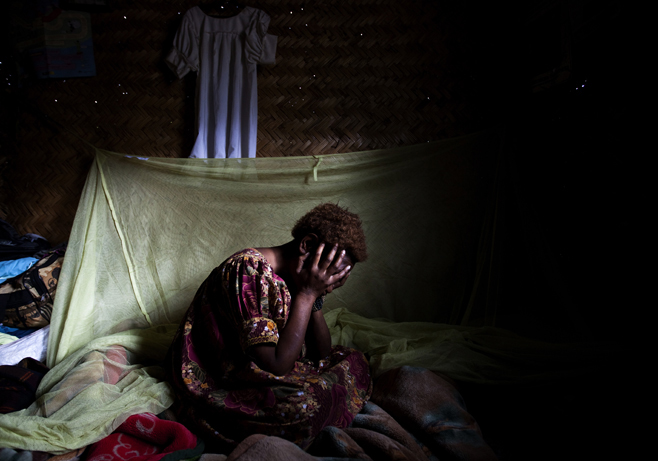
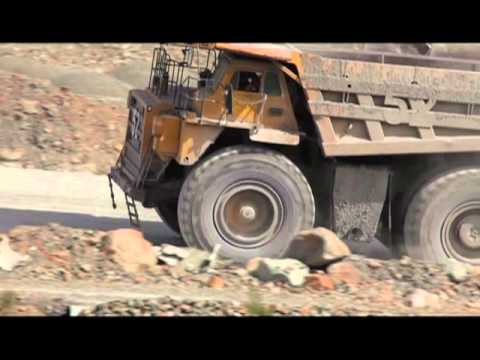
1) Human Rights Watch looks at the allegations of gang rapes and other violent abuses at the Porgera Mine in Papua New Guinea, which is operated and 95 percent-owned by Barrick Gold — a Canadian company that is the world’s largest gold producer.
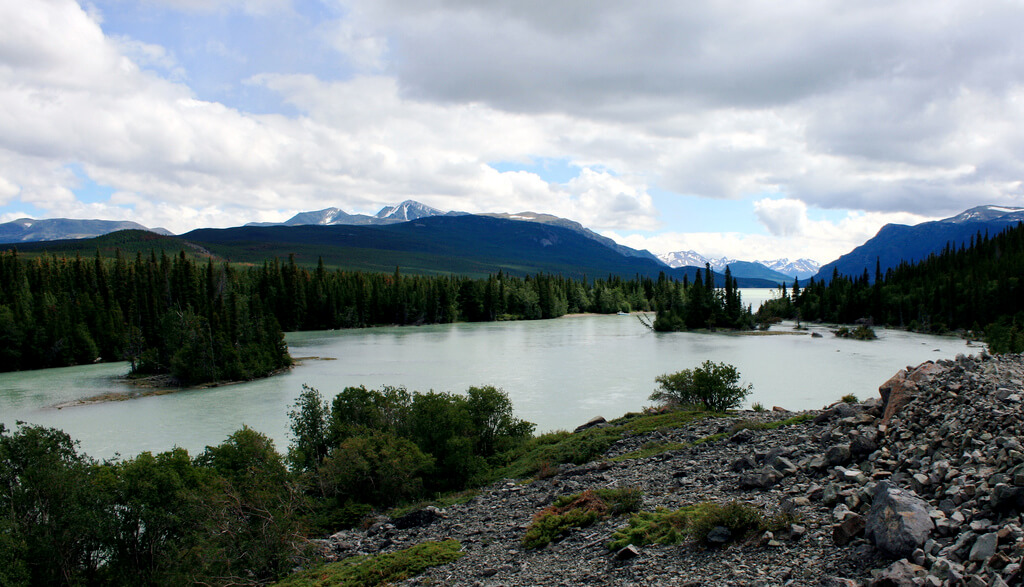
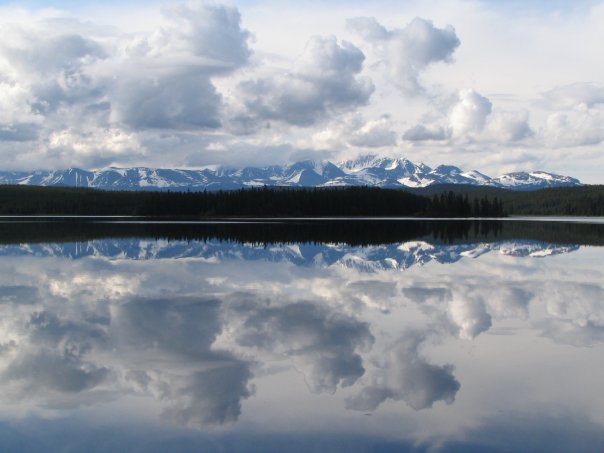
2) The Tsilhqot’in and Xeni Gwet’in people of British Columbia, Canada are struggling to stop the construction of Prosperity Mine, a gold and copper mine proposed by Taseko Mines Ltd., which would destroy Fish Lake (Teztan Biny), a sacred-held body of water.
If you want to learn more about the Porgera Mine or the Porgera mine, be sure to check out the following resources:
Porgera Mine
- Detailed Background on Barrick Gold in Papua New Guinea
- Impacted Community Confronts Barrick Gold On Human Rights Abuses, Company Lies, And Cultural Slurs
- Surviving Rape in Papua New Guinea
- Life in Porgera Valley, Papua New Guinea
- Porgera Alliance Letter to Peter Munk regarding his statement: “Gang Rape is a Cultural Habit”
- Indigenous Landowners release report demanding urgent resettlement
Websites: Peter Munk OUT of UofT – Porgera Alliance – Protest Barrick
Prosperity Mine
- Latest News: Hearings get underway for another controversial B.C. project: Prosperity mine
- Deja-vu on Taseko’s destructive mining project
- The Fight for Fish Lake (another episode of Earth Focus!)
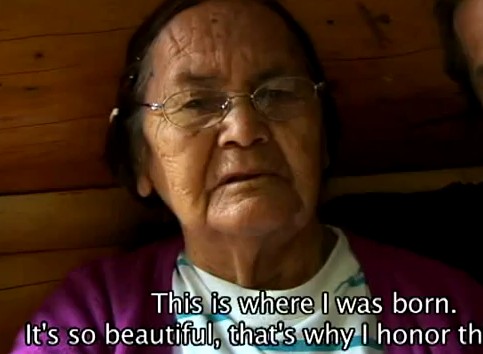
- Xeni Gwit’in Elder on protecting Fish Lake
- Tsilhqot’in rejoice over decision to block Taseko mining exploration
- Background: Teztan Biny (Fish Lake)
Websites: Teztan Biny Newswire – Save Fish Lake Facebook Group – RAVEN Trust
Across the world right now, Indigenous peoples are facing a renewed assault on their lands, rights, and ways of life.
From extractive industries pushing deeper into ancestral territories, to governments rolling back hard-won protections,
the threat is global—and it is growing.
What makes this moment especially dangerous is how little attention it receives.
Stories like this are disappearing in real time. Mainstream media
barely covers it and the coverage is fragmented. The public is left without the context
needed to understand what is truly at stake.
That is exactly why IC Magazine exists..
For more than 20 years, IC has reported on Indigenous struggles worldwide — consistently, independently, and without compromise.
We don’t follow news cycles; we trace patterns. We don’t sensationalize; we provide context.
And when the world looks away, we stay focused.
But this work is increasingly difficult to sustain.
We refuse to lock our reporting behind a paywall. We don’t sell access through subscriptions.
And we don’t answer to advertisers. IC Magazine survives solely because readers like you choose to
support independent Indigenous journalism.
Please donate today if you can. Every contribution helps us to continue this crucial work.
Thank you,
John Ahni Schertow
Founder and Editor in Chief