Last Updated on June 16, 2014
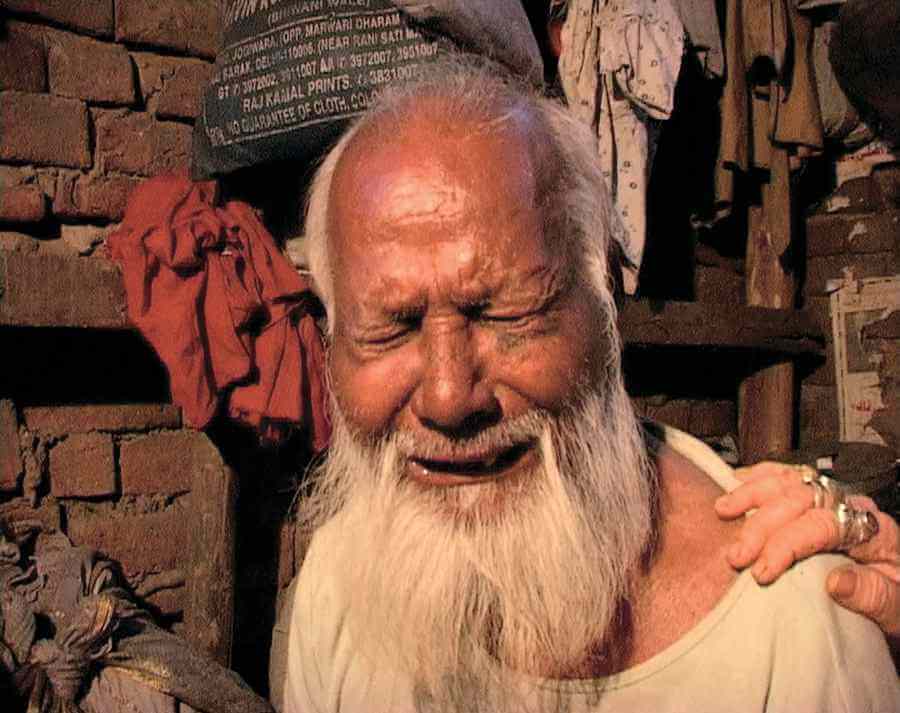
Created with no budget or film crew, Drowned Out tells the story of the Jalsindhi villagers in central India, and their struggle to prevent the destruction of their land as well as their own displacement. The Jalsindhi are Adivasis – the original inhabitants of India – who have farmed their land by the Narmada River for at least 12 generations.
The Narmada Valley Development Project, the single largest river development scheme in India and one of the largest hydroelectric projects in the world, aims to build more than 3,000 large and small dams on the Narmada river, displacing hundreds of thousands and severely effecting over one million people; among them, the Jalsindhi.
The Adivasis are faced with three choices today: move to a government resettlement site with salty drinking water and infertile land; accept paltry cash compensation and head for a big city slum; or stay at home and drown. Closely connected to the land, they have chosen the latter.
When Franny Armstrong first began making the film, they explained to her how each of these options would eventually lead to their grave; and that “if they had to die, they would rather it was with dignity and on their own terms.”
The documentary follows in detail their protests, gatherings, and their attempts to stop the building of the dam by taking the case to the Supreme Court.
Despite their protests, construction of the dam continues. The village is slowly disappearing under the water..
Across the world right now, Indigenous peoples are facing a renewed assault on their lands, rights, and ways of life.
From extractive industries pushing deeper into ancestral territories, to governments rolling back hard-won protections,
the threat is global—and it is growing.
What makes this moment especially dangerous is how little attention it receives.
Stories like this are disappearing in real time. Mainstream media
barely covers it and the coverage is fragmented. The public is left without the context
needed to understand what is truly at stake.
That is exactly why IC Magazine exists..
For more than 20 years, IC has reported on Indigenous struggles worldwide — consistently, independently, and without compromise.
We don’t follow news cycles; we trace patterns. We don’t sensationalize; we provide context.
And when the world looks away, we stay focused.
But this work is increasingly difficult to sustain.
We refuse to lock our reporting behind a paywall. We don’t sell access through subscriptions.
And we don’t answer to advertisers. IC Magazine survives solely because readers like you choose to
support independent Indigenous journalism.
Please donate today if you can. Every contribution helps us to continue this crucial work.
Thank you,
John Ahni Schertow
Founder and Editor in Chief