
Last Updated on August 4, 2018
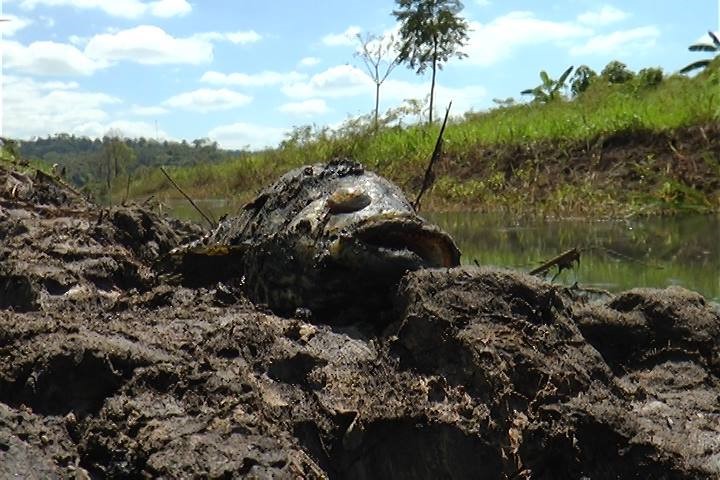
Disturbing symptoms of ecocide have emerged in Guatemala over the past week. Hundreds of fish have turned up dead, floating or washed up on the sides of local watersheds. The contaminated tributaries navigate through ancient Mayan territories and remain a source of life-giving sustenance for the surrounding Indigenous populations of present day Playitas Chizec and Alta Verapaz.
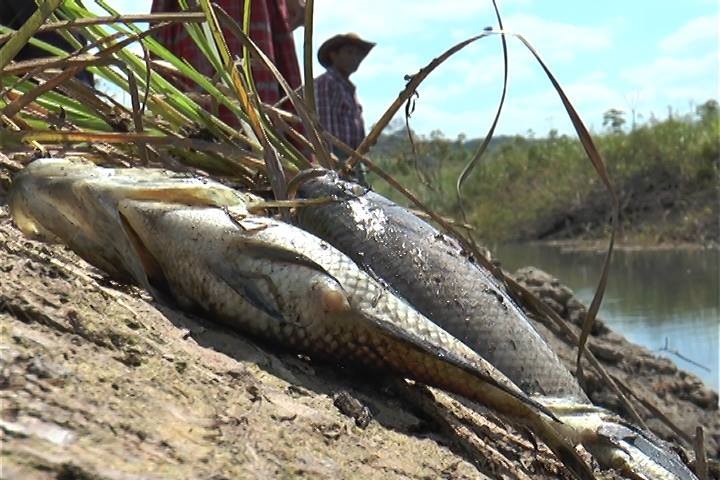
Perhaps even more disturbing are the ‘almost dead’ fish that continue their journey downstream and are subsequently and innocently consumed by local populations that have no knowledge (and may even be separated by a language barrier from communities upstream, considering the socio-geography of Guatemala) of the tragedy playing out in full display elsewhere, according to a member of COCODE (Community Councils of Urban and Rural Development.)
Residents in the affected areas are so far blaming it on waste-water discharge from Ixcán Palmas, a palm oil outfit located on the ‘Northern Transversal Strip’ (an area inflicted with mass land grabs by elites and multinationals over the years ) in the region.
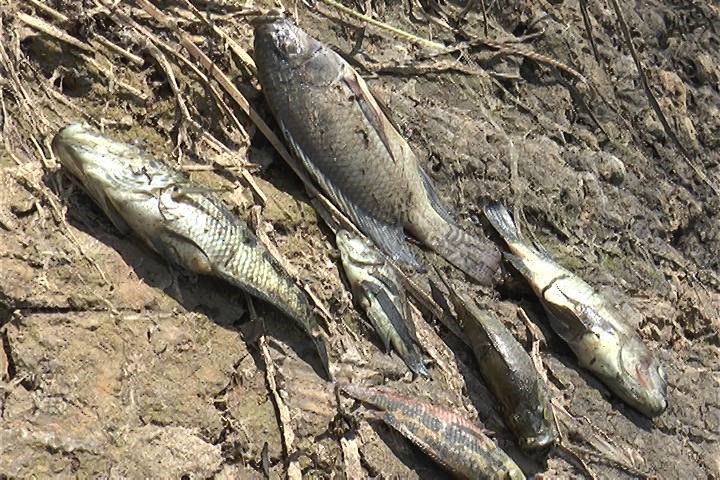
Residents of impacted communities are demanding the Ministry of Environmental and Natural Resources’ immediate intervention to mitigate and eventually reverse the damage wreaked by this acute environmental health catastrophe, likely born of corporate negligence.
The mailing address of Palmas De Ixcan Limitada is:
5 Avenida 5-55, Zona 14, Edificio Europlaza Torre
Guatemala City, Guatemala
The phone number of their office in Guatemala City is listed as 23283700.
Another option is to call and report concern to a Guatemalan consulate. Contact info for those in the United States can be found here.
Stay tuned for more details and actions to come…
“Por segundo día consecutivo esta afluente pasa arrastrando centena de peces muertos. Los vecinos de las aldeas circunvecinas de Playitas Chizec, Alta Verapaz, le atribuyen a los desechos vertidos en el agua por empresa aceitera “Palmas de Ixcán” ubicada sobre la Franja Transversal del Norte en esa región.
Aseguran denunciantes que pobladores río abajo consumen los peces contaminados al desconocer la causa de sus expiraciones, alentando la probabilidad de intoxicación que podría desencadenar en muertes, lamentó un integrante de COCODE.
Afectados, insisten en la intervención del Ministerio de Ambiente y Recursos Naturales, para frenar este impacto ambiental.”
Across the world right now, Indigenous peoples are facing a renewed assault on their lands, rights, and ways of life.
From extractive industries pushing deeper into ancestral territories, to governments rolling back hard-won protections,
the threat is global—and it is growing.
What makes this moment especially dangerous is how little attention it receives.
Stories like this are disappearing in real time. Mainstream media
barely covers it and the coverage is fragmented. The public is left without the context
needed to understand what is truly at stake.
That is exactly why IC Magazine exists..
For more than 20 years, IC has reported on Indigenous struggles worldwide — consistently, independently, and without compromise.
We don’t follow news cycles; we trace patterns. We don’t sensationalize; we provide context.
And when the world looks away, we stay focused.
But this work is increasingly difficult to sustain.
We refuse to lock our reporting behind a paywall. We don’t sell access through subscriptions.
And we don’t answer to advertisers. IC Magazine survives solely because readers like you choose to
support independent Indigenous journalism.
Please donate today if you can. Every contribution helps us to continue this crucial work.
Thank you,
John Ahni Schertow
Founder and Editor in Chief

