
Last Updated on April 29, 2026
Tribal advocates have asked a federal court to immediately halt a graphite drilling project at Pe’ Sla, a site sacred to the Lakota and other Indigenous nations, warning that ongoing activity risks irreparable cultural and environmental harm.
Plaintiffs in an ongoing lawsuit against the U.S. Forest Service filed motions this week seeking an emergency temporary restraining order and preliminary injunction after learning that drilling has already begun within the contested area.
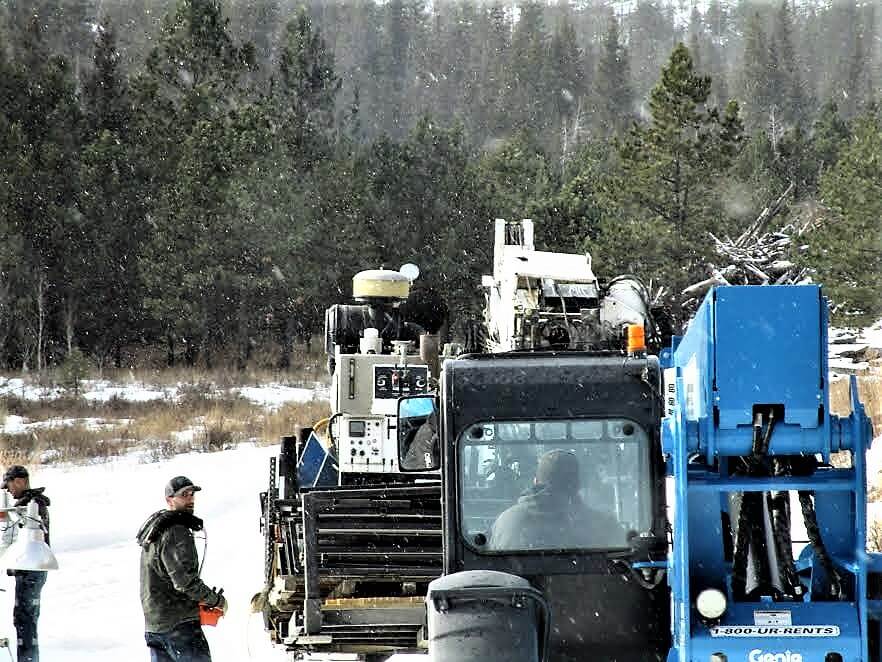
The filings, submitted in U.S. District Court in South Dakota, argue that at least two active drill pads are operating at Pe’ Sla, a site long used for ceremony, prayer and cultural practices.
“This land has been sacred … for over 2,000 years,” said Wizipan Garriott, president of NDN Collective, one of the groups leading the legal challenge. “We must act now to stop the desecration of the land before it’s too late.”
The lawsuit, filed earlier this month by NDN Collective, the Black Hills Clean Water Alliance and Earthworks, contends that federal officials unlawfully approved exploratory drilling without adequate environmental review or protection for treaty rights and religious use.
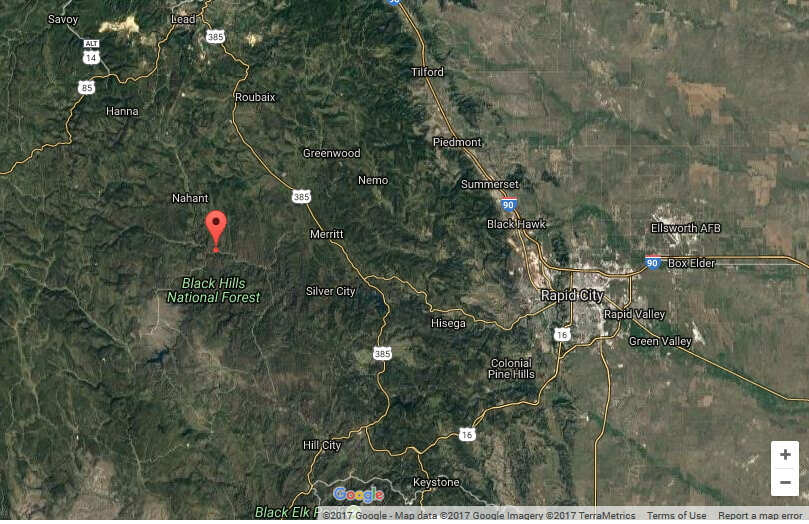
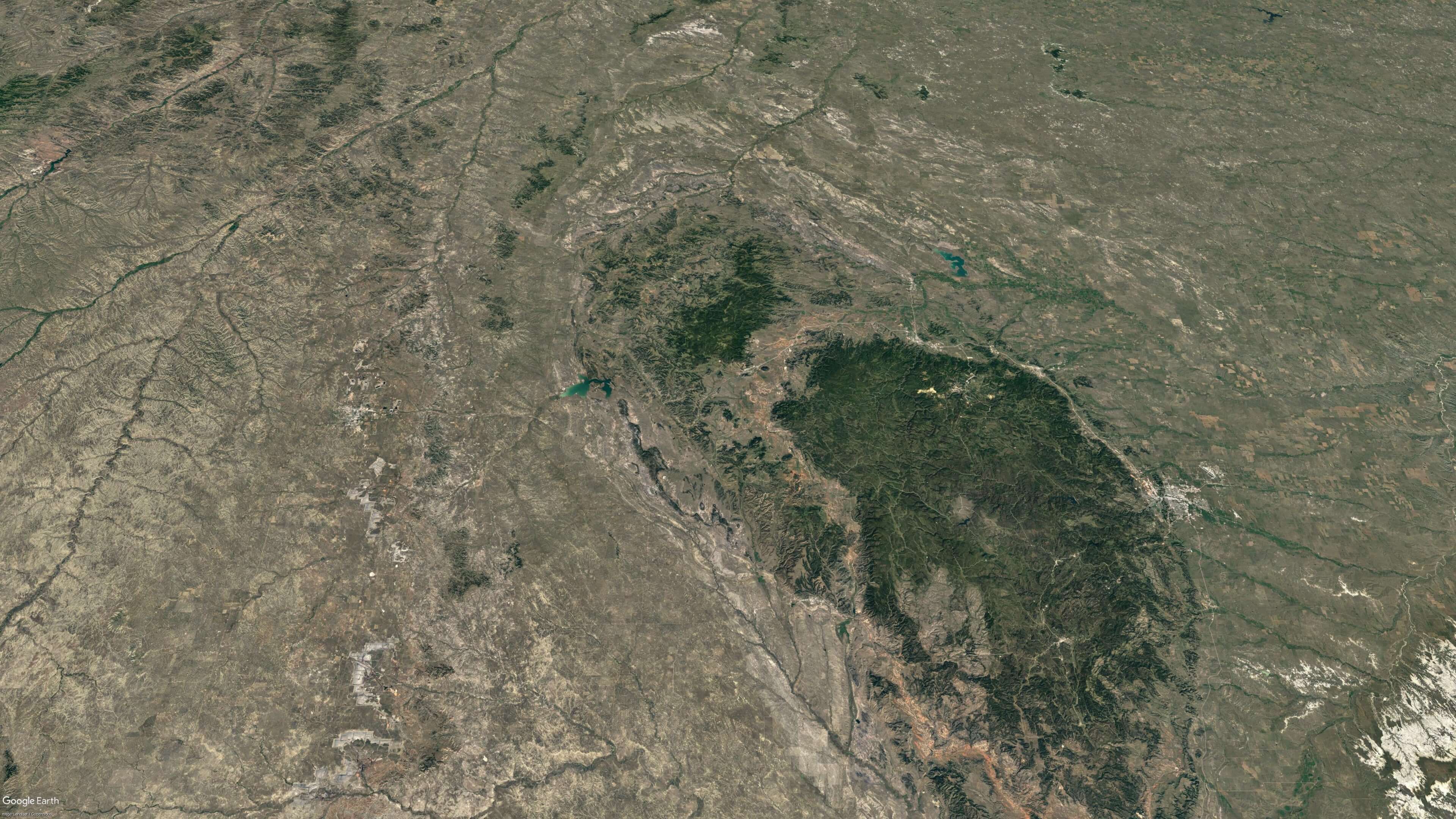
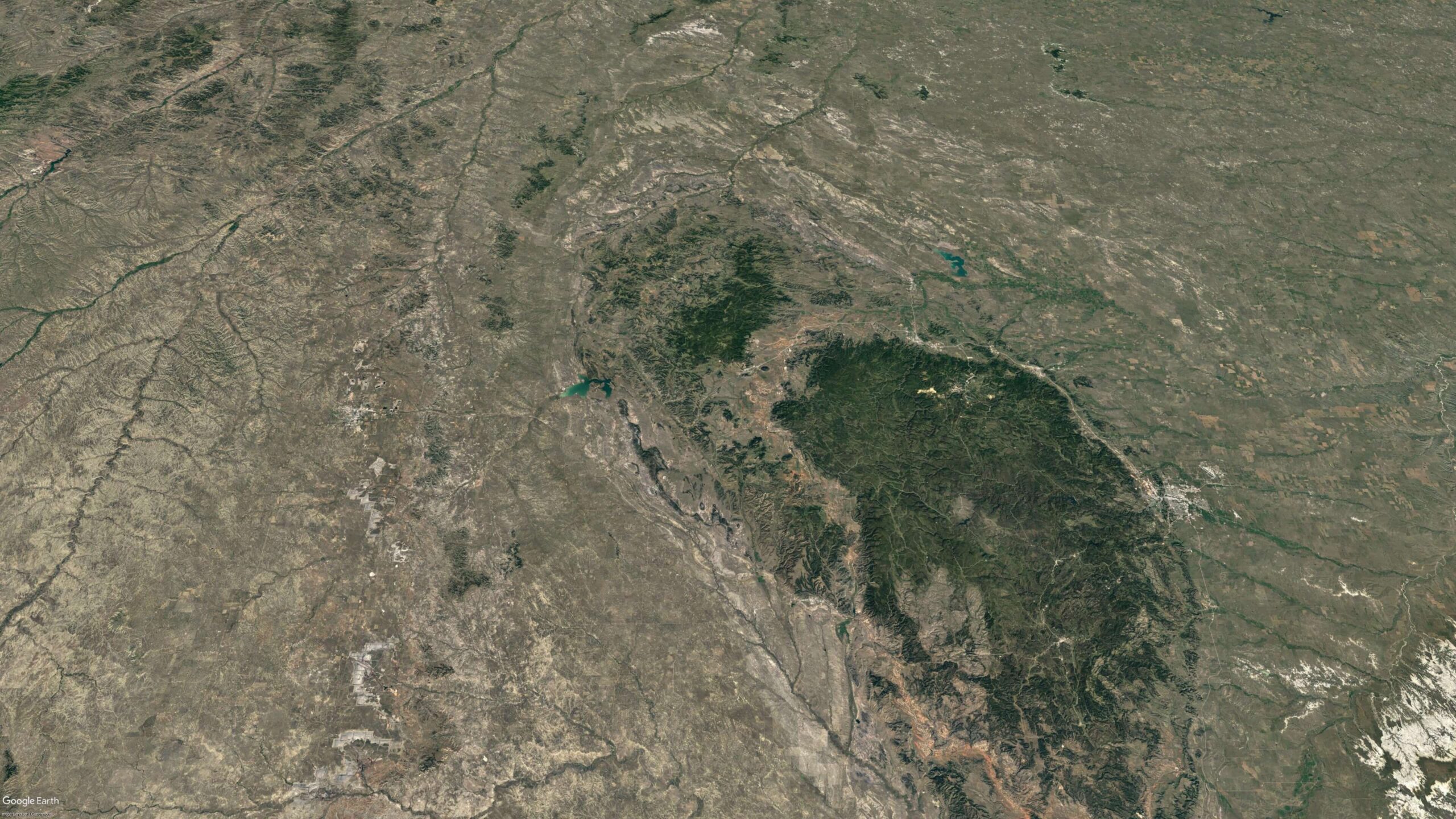
At the center of the dispute is a graphite exploration project authorized near Pe’ Sla in the Black Hills, an area at the heart of longstanding land conflicts between the United States and the Oceti Sakowin. The region, including Pe’ Sla, was part of lands guaranteed to the Sioux Nation under the 1868 Treaty of Fort Laramie before being seized by the U.S. government in the late 19th century.
Advocates say the current project revives that history in a modern form, raising concerns not only about cultural desecration but also environmental risk. Opponents warn that drilling could contaminate water sources in the Rapid Creek watershed, potentially affecting nearby communities, including Rapid City and downstream tribal nations.
“This is a water issue, a human rights violation … and a danger to religious and cultural freedom,” said Lilias Jarding of the Black Hills Clean Water Alliance.
The emergency motion marks an escalation in a broader campaign that has included public hearings, petitions with thousands of signatures and ongoing legal action aimed at revoking the drilling permit.
The U.S. Forest Service has not publicly responded to the emergency filings, but the agency previously approved the project under a “categorical exclusion,” a regulatory pathway that allows certain developments to proceed without a full environmental review.
Across the world right now, Indigenous peoples are facing a renewed assault on their lands, rights, and ways of life.
From extractive industries pushing deeper into ancestral territories, to governments rolling back hard-won protections,
the threat is global—and it is growing.
What makes this moment especially dangerous is how little attention it receives.
Stories like this are disappearing in real time. Mainstream media
barely covers it and the coverage is fragmented. The public is left without the context
needed to understand what is truly at stake.
That is exactly why IC Magazine exists..
For more than 20 years, IC has reported on Indigenous struggles worldwide — consistently, independently, and without compromise.
We don’t follow news cycles; we trace patterns. We don’t sensationalize; we provide context.
And when the world looks away, we stay focused.
But this work is increasingly difficult to sustain.
We refuse to lock our reporting behind a paywall. We don’t sell access through subscriptions.
And we don’t answer to advertisers. IC Magazine survives solely because readers like you choose to
support independent Indigenous journalism.
Please donate today if you can. Every contribution helps us to continue this crucial work.
Thank you,
John Ahni Schertow
Founder and Editor in Chief