Last Updated on May 20, 2019
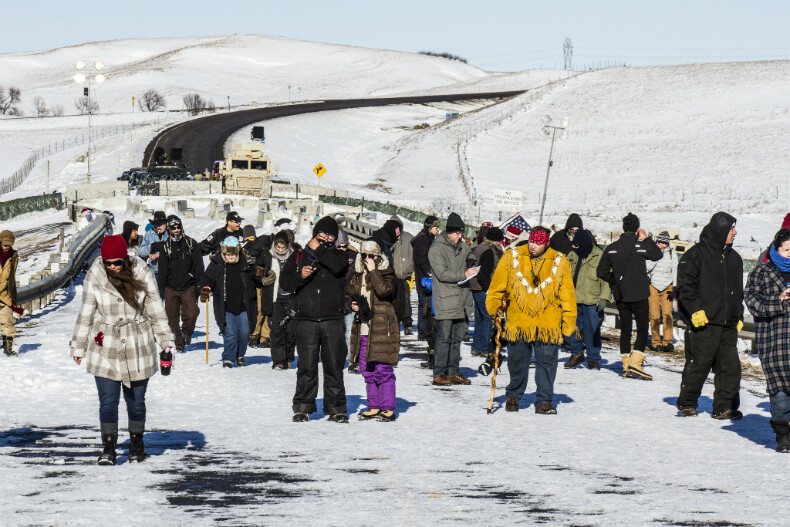
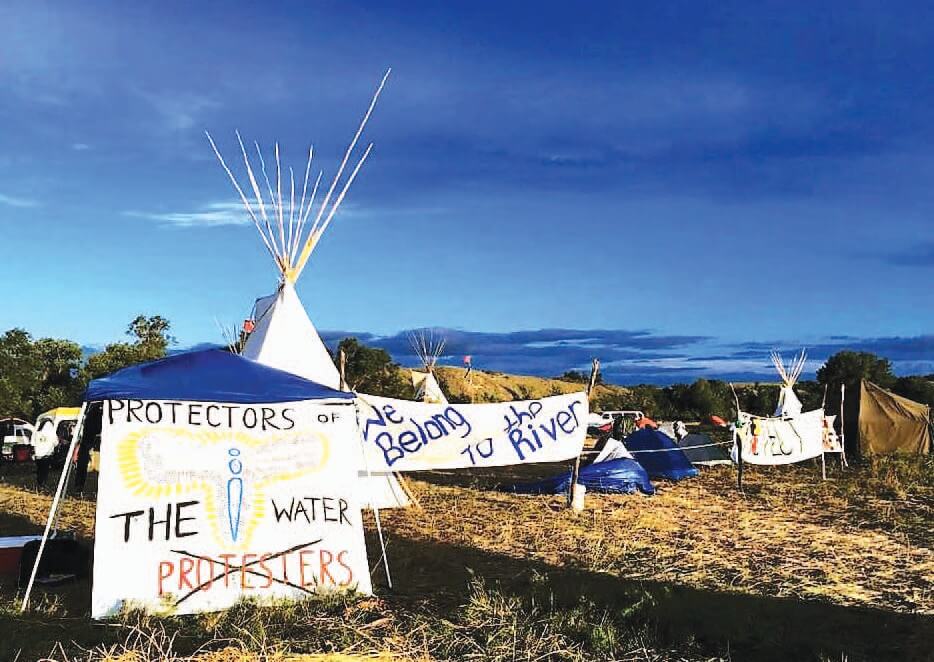
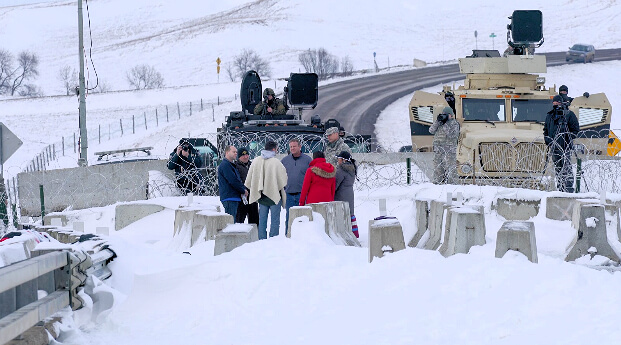
From acclaimed documentary filmmaker Shannon Kring comes END OF THE LINE, the incredible story of a group of indigenous women willing to risk their lives to stop the Dakota Access oil pipeline construction that desecrated their ancient burial and prayer sites and threatens their land, water, and very existence.
But there was another prophecy: the women, as the guardians of the waters and protectors of all life, would rise.
They are the brave survivors. Among them, the descendant of the female warrior who fought the US Cavalry alongside Sitting Bull. The great-grandmother who was fired upon at Wounded Knee in 1973. The lifelong activist who became a part of the system in order to defeat it.
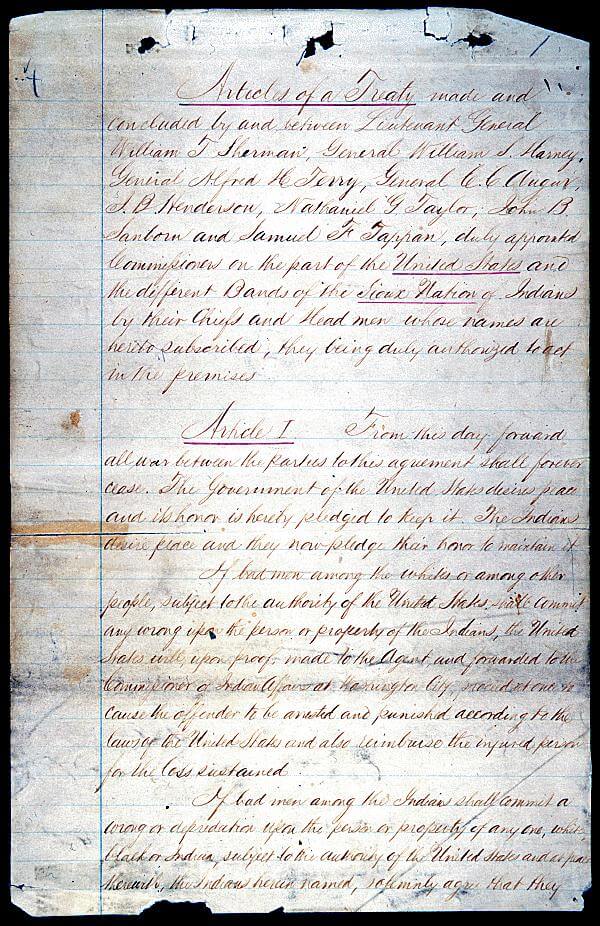
They are the daughters and granddaughters of brave survivors. People who escaped genocide, only to be robbed of their lands and herded onto reservations. Children who were taken from their families and placed in non-Native boarding schools and foster homes where they suffered further abuse. Today, these women tell their own tragic stories. Stories ranging from forced sterilization to substandard medical care.
Yet somehow the spirit of these women has not been broken. The women of Standing Rock vow to protect Mother Earth and all her inhabitants. It is their responsibility to the ancestors and to the seven generations to come. This is their last stand.
Across the world right now, Indigenous peoples are facing a renewed assault on their lands, rights, and ways of life.
From extractive industries pushing deeper into ancestral territories, to governments rolling back hard-won protections,
the threat is global—and it is growing.
What makes this moment especially dangerous is how little attention it receives.
Stories like this are disappearing in real time. Mainstream media
barely covers it and the coverage is fragmented. The public is left without the context
needed to understand what is truly at stake.
That is exactly why IC Magazine exists..
For more than 20 years, IC has reported on Indigenous struggles worldwide — consistently, independently, and without compromise.
We don’t follow news cycles; we trace patterns. We don’t sensationalize; we provide context.
And when the world looks away, we stay focused.
But this work is increasingly difficult to sustain.
We refuse to lock our reporting behind a paywall. We don’t sell access through subscriptions.
And we don’t answer to advertisers. IC Magazine survives solely because readers like you choose to
support independent Indigenous journalism.
Please donate today if you can. Every contribution helps us to continue this crucial work.
Thank you,
John Ahni Schertow
Founder and Editor in Chief