Last Updated on April 10, 2025
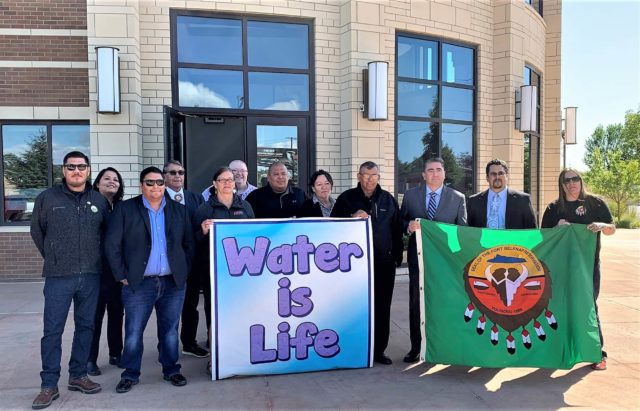
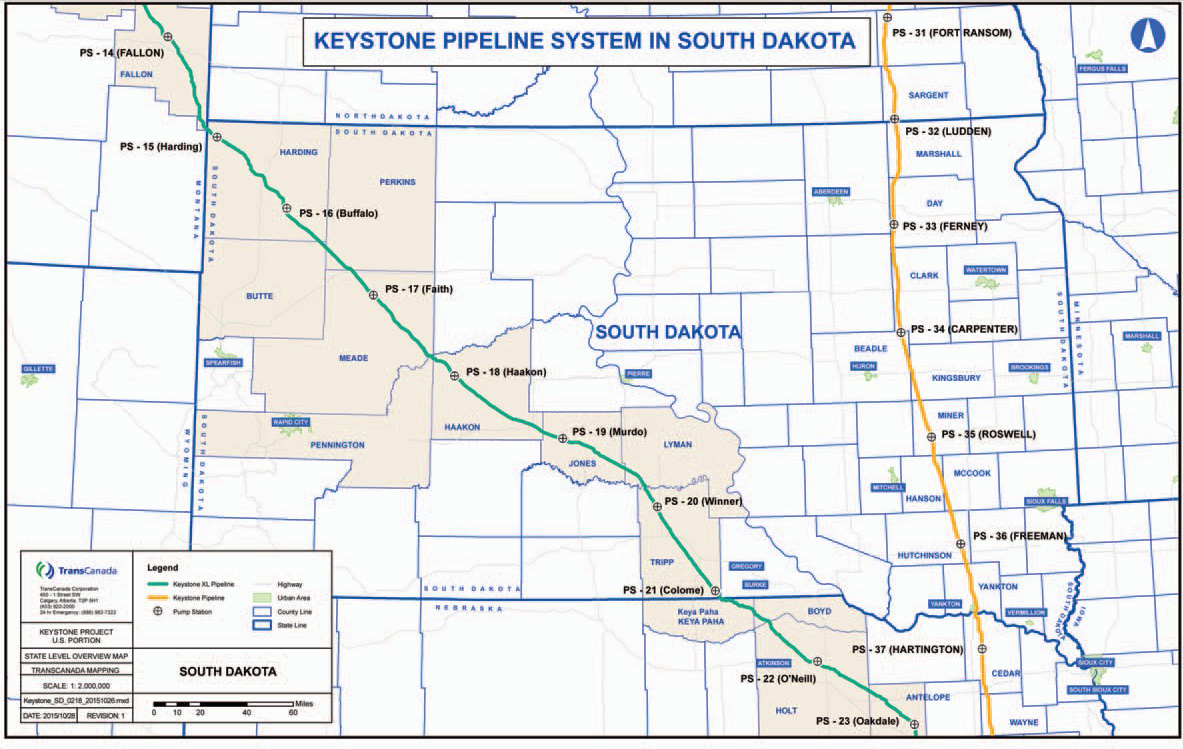
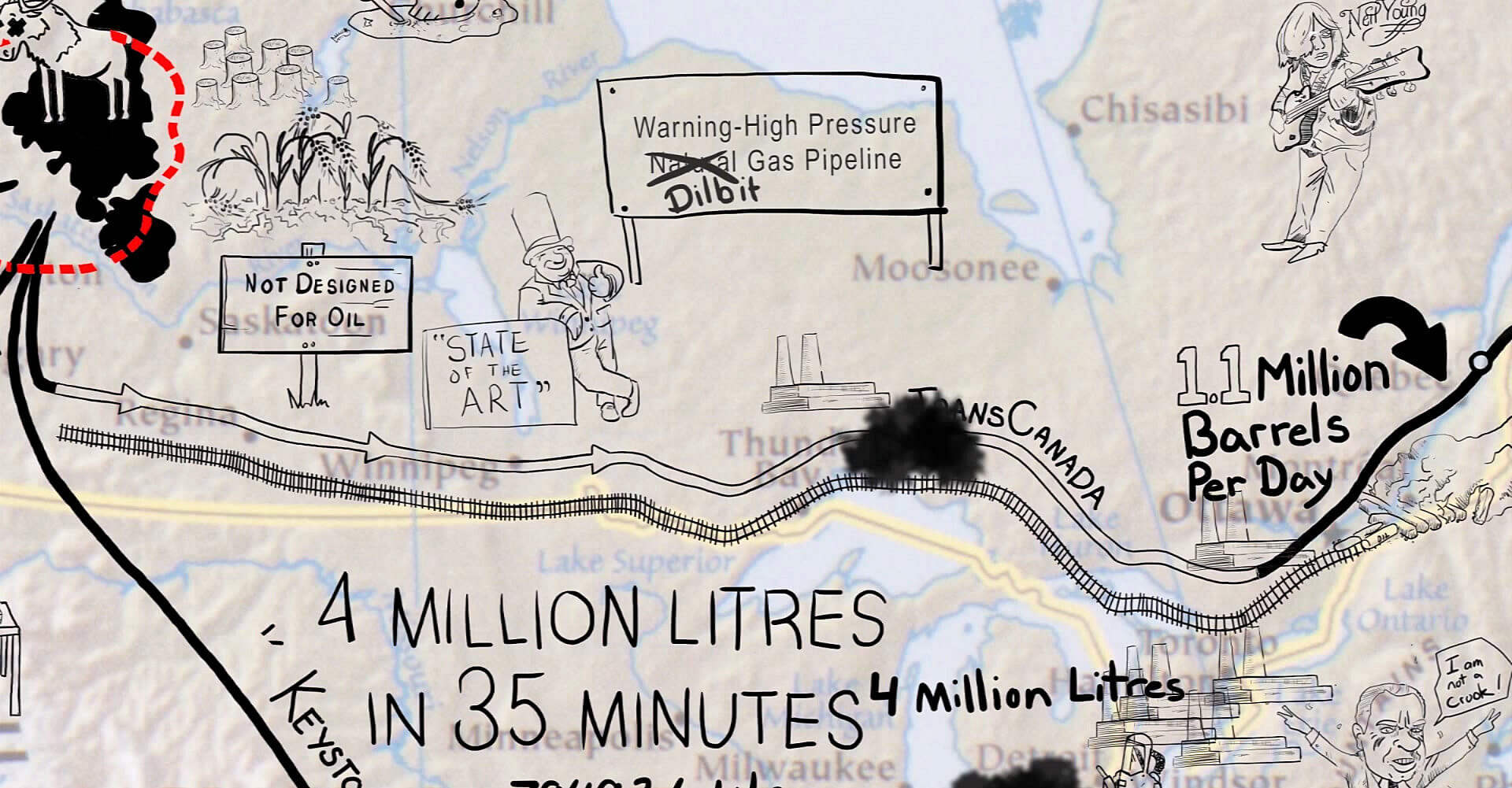
Tar Sands heavy crude is much more toxic than light crude, it is impossible to clean up when spilled, and documented spills in 2007 and 2010 prove the industry is lying when they say otherwise. Despite the hype by Tar Sands pipeline companies and the false reassurances by the Government of Canada, the facts about diluted bitumen heavy crude speak for themselves. As The Tyee reports, the National Energy Board of Canada is running full steam ahead on its plan to expand Tar Sands mining and pipelines to ship the diluted bitumen heavy crude out of Vancouver to China. In the meantime, the City of Vancouver and Coastal First Nations are gearing up to stop them.
Across the world right now, Indigenous peoples are facing a renewed assault on their lands, rights, and ways of life.
From extractive industries pushing deeper into ancestral territories, to governments rolling back hard-won protections,
the threat is global—and it is growing.
What makes this moment especially dangerous is how little attention it receives.
Stories like this are disappearing in real time. Mainstream media
barely covers it and the coverage is fragmented. The public is left without the context
needed to understand what is truly at stake.
That is exactly why IC Magazine exists..
For more than 20 years, IC has reported on Indigenous struggles worldwide — consistently, independently, and without compromise.
We don’t follow news cycles; we trace patterns. We don’t sensationalize; we provide context.
And when the world looks away, we stay focused.
But this work is increasingly difficult to sustain.
We refuse to lock our reporting behind a paywall. We don’t sell access through subscriptions.
And we don’t answer to advertisers. IC Magazine survives solely because readers like you choose to
support independent Indigenous journalism.
Please donate today if you can. Every contribution helps us to continue this crucial work.
Thank you,
John Ahni Schertow
Founder and Editor in Chief