Last Updated on August 17, 2018
Sandy Robson’s November 2014 article on fearmongering by fossil fuel export developers, i.e. SSA Marine, Peabody Coal and BNSF Railroad, raises a couple questions. One is why no local media is reporting on this, and another is why the Washington Secretary of State hasn’t censured their PACs for distributing misleading communications to influence elections.
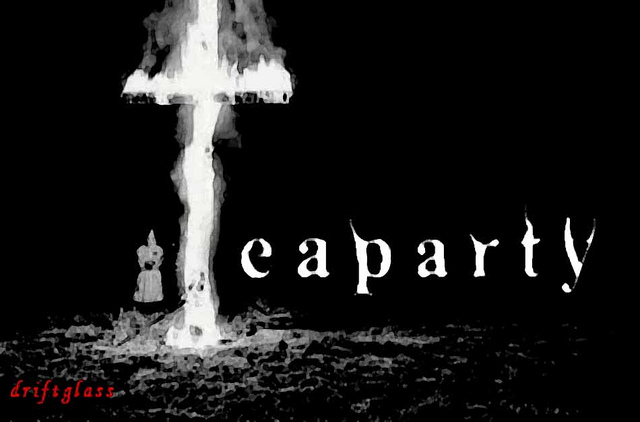
Sandy’s January 2014 article at Whatcom Watch shined a light on these PACs and their collaboration with fossil fuel exporters in money-laundering to influence elections. It also illuminated their connection with the Tea Party and KGMI radio, both of which assisted CERA (“the Ku Klux Klan of Indian country”) in promoting inter-racial discord aimed at the Affiliated Tribes of Northwest Indians, which opposes fossil fuel export in their traditional territories. As noted at IC Magazine, capitalizing on fear is what the developers do best.
Drumming up resentment against Native Americans and environmentalists is established practice by Wise Use propagandists, and has a particularly violent past in the Greater Seattle area, as reported by Robson in her October 2013 article at Whatcom Watch. As noted in an article at NWCitizen in February 2014, Robson and Whatcom Watch were threatened by coal export consortium PR man Craig Cole. As reported at IC Magazine in February, the politics of land and bigotry has a long history in the Salish Sea region.
Across the world right now, Indigenous peoples are facing a renewed assault on their lands, rights, and ways of life.
From extractive industries pushing deeper into ancestral territories, to governments rolling back hard-won protections,
the threat is global—and it is growing.
What makes this moment especially dangerous is how little attention it receives.
Stories like this are disappearing in real time. Mainstream media
barely covers it and the coverage is fragmented. The public is left without the context
needed to understand what is truly at stake.
That is exactly why IC Magazine exists..
For more than 20 years, IC has reported on Indigenous struggles worldwide — consistently, independently, and without compromise.
We don’t follow news cycles; we trace patterns. We don’t sensationalize; we provide context.
And when the world looks away, we stay focused.
But this work is increasingly difficult to sustain.
We refuse to lock our reporting behind a paywall. We don’t sell access through subscriptions.
And we don’t answer to advertisers. IC Magazine survives solely because readers like you choose to
support independent Indigenous journalism.
Please donate today if you can. Every contribution helps us to continue this crucial work.
Thank you,
John Ahni Schertow
Founder and Editor in Chief