Last Updated on August 1, 2013
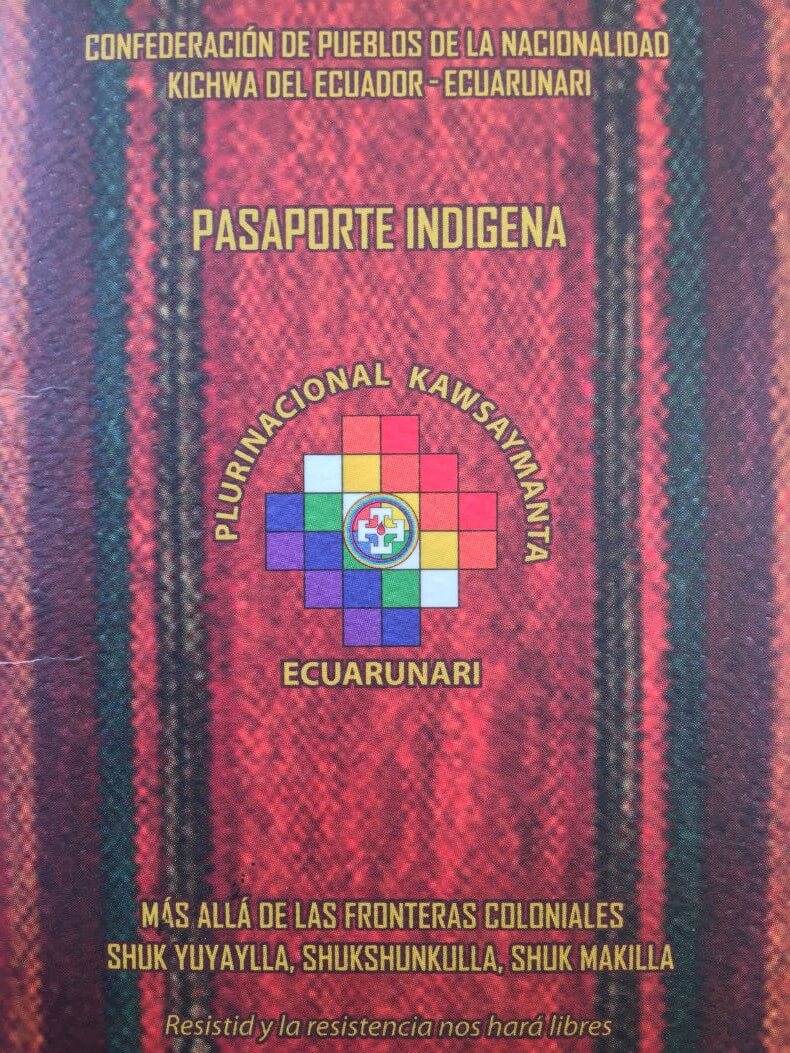
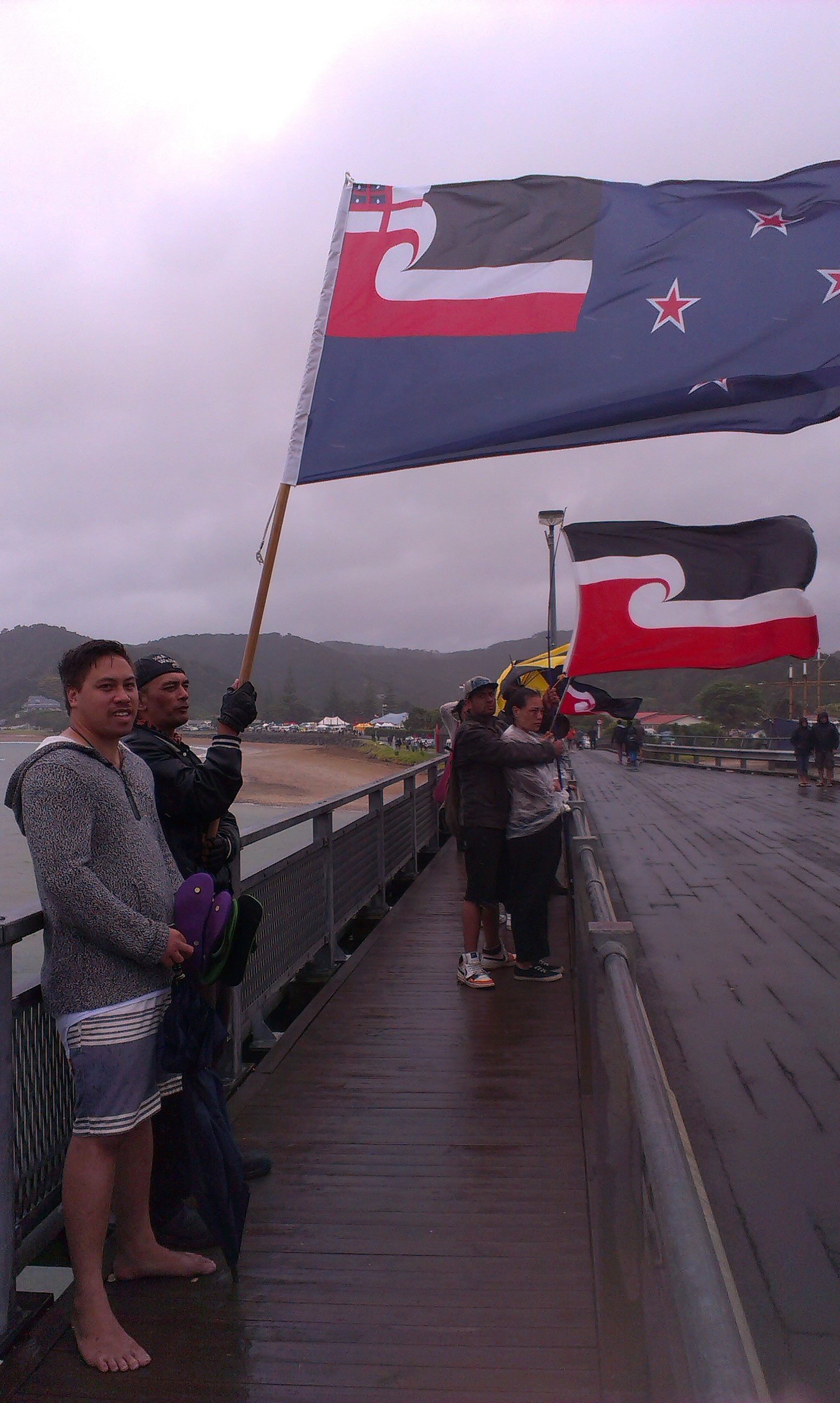
Listening to mainstream and alternative media discuss conflicts between Fourth World nations and modern states, I think what most newscasters and their listeners have difficulty grasping is the historical context of the Indigenous liberation movement. As I noted in this post, states formed throughout the five hundred year colonial era are breaking down along cultural faultlines. Multiculturalism within homogenous states is evolving in fits and starts toward a plurinationalism that respects the sovereignty of Fourth World nations. Taking their cue from state-centric institutions like the UN, newscasters inevitably get it wrong.
In some federations of nations like the former Republic of Yugoslavia, the breakdown into Indigenous nation-states like Slovenia was not precipitated internally, but rather by external forces hoping to divide and conquer a functioning socialist republic for the benefit of transnational corporations. In other states like Canada, the Indigenous nations have been assimilated into a forced dependency from which they now seek to liberate themselves. In Indigenous nations like Pais Basque or Catalonia, autonomous governance in language, health, trade, policing and education would seem to be sufficient, although over time they may seek complete independence from Spain.
In the case of empires like the Soviet Union, dissolved into a combination of federations and independent states based on ancient nationhood — like Latvia, Estonia and Lithuania — self rule affects varying levels of governance. In states like Bolivia, where the Indigenous population is a majority, autonomous first nations united within a plurinational state seem to have a chance of surviving with their cultures intact.
Despite lofty pronouncements like the 2007 United Nations Declaration on the Rights of Indigenous Peoples, the UN — an institution formed of, by, and for colonial states — is nevertheless actively opposed to the self-determination of Indigenous nations. Indeed, the UN has done all in its power to prevent Fourth World nations from even participating in discussions about climate change, biological diversity, or sustainable development.
As more Fourth World nations gain independence, autonomy, or some degree of self-governance, the ephemeral boundaries of states imposed by colonial powers will continue to shift with the winds of social change. The only thing that will remain constant is the ruthless psychological warfare exercised by transnational corporations and globalized militarism seeking to corrupt or undermine Indigenous sovereignty in order to exploit their resources. As non-Indigenous citizens of modern states formed by the theft of Indigenous territories become active in promoting democracy and opposing fraud, there is the potential for a powerful alliance between civil society and Indigenous liberation. Until they conceive of the difference between civil rights and human rights, however, that alliance will remain tenuous.
Across the world right now, Indigenous peoples are facing a renewed assault on their lands, rights, and ways of life.
From extractive industries pushing deeper into ancestral territories, to governments rolling back hard-won protections,
the threat is global—and it is growing.
What makes this moment especially dangerous is how little attention it receives.
Stories like this are disappearing in real time. Mainstream media
barely covers it and the coverage is fragmented. The public is left without the context
needed to understand what is truly at stake.
That is exactly why IC Magazine exists..
For more than 20 years, IC has reported on Indigenous struggles worldwide — consistently, independently, and without compromise.
We don’t follow news cycles; we trace patterns. We don’t sensationalize; we provide context.
And when the world looks away, we stay focused.
But this work is increasingly difficult to sustain.
We refuse to lock our reporting behind a paywall. We don’t sell access through subscriptions.
And we don’t answer to advertisers. IC Magazine survives solely because readers like you choose to
support independent Indigenous journalism.
Please donate today if you can. Every contribution helps us to continue this crucial work.
Thank you,
John Ahni Schertow
Founder and Editor in Chief