Last Updated on April 12, 2011
Upside Down World has published a notable article by Ramor Ryan entitled “The Last Rebels of the Caribbean: Garifuna Fighting for Their Lives in Honduras,” in which he examines the history, life, culture and ongoing resistance of the Garifuna people in Honduras. Here’s the first quarter…
They hang the man, and flog the woman,
That steals the goose from off the common;
But let the greater villain loose,
That steals the common from the goose.
-Anonymous protest poem from the 17th century
Enclosing the commons – the historical process of fencing off land which had previously been in the public domain, for private use – is perhaps one of the most blatant expressions of the fundamental criminal nature of the capitalist state. Today it’s the voracious neo-liberal model which stalks the last pockets of community-held global territory for privatization – from Chiapas, Mexico, to the deep Amazon, to the Garifuna coast of Honduras, leaving no stone unturned.
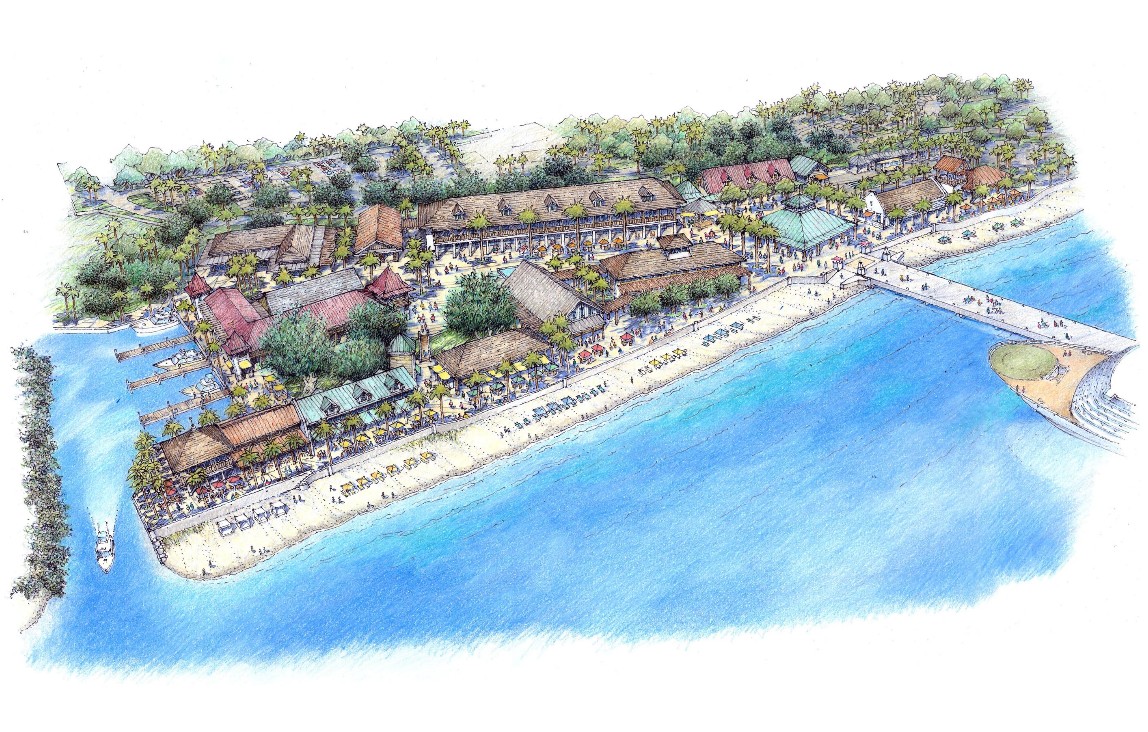
“We have hundreds of kilometers of beaches that aren’t developed, and it’s a waste,” said the then Honduran Tourism Secretary, Ana Abarca in 2001. “We want strong tourism. We are going after the sun and the beach.”
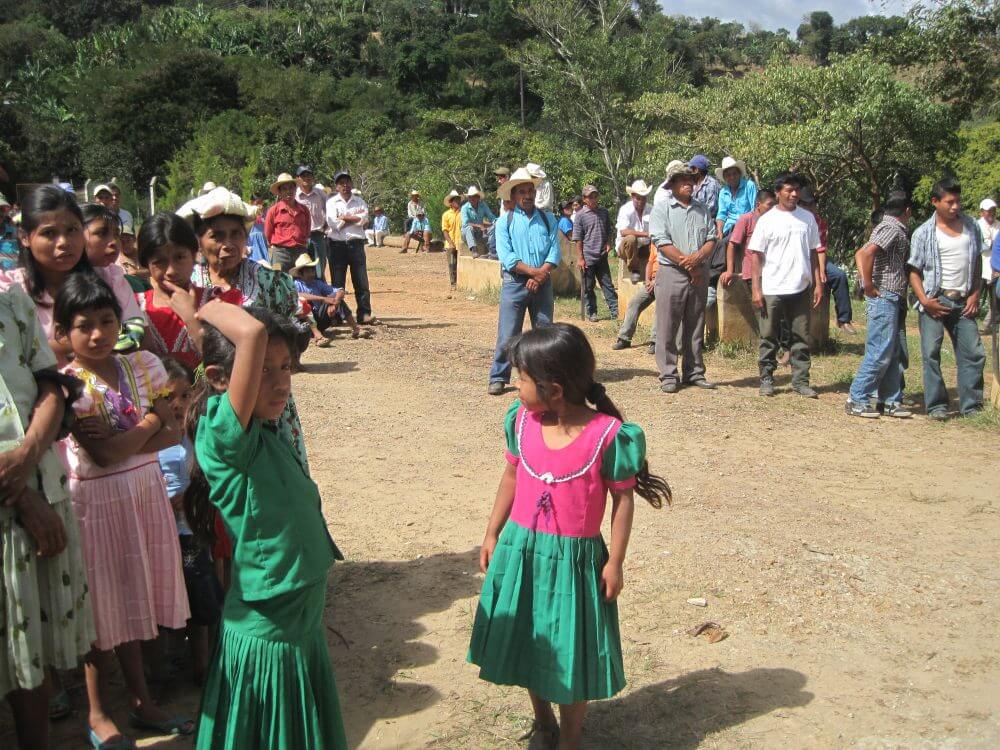
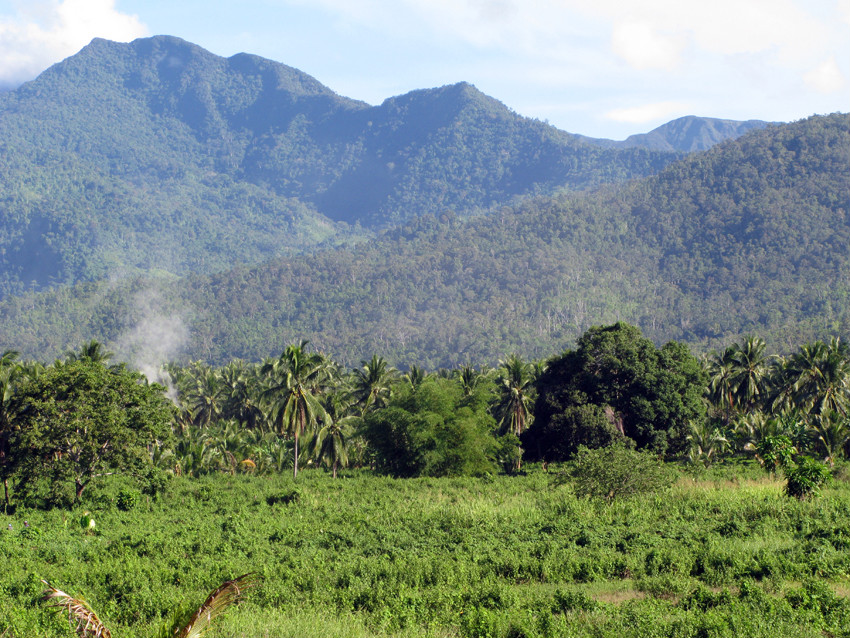
While the neo-liberal government sees unproductive beaches and waste, other people see living communities existing in harmony with their surroundings. These hundreds of kilometers of “waste” are home to 76 Garifuna villages, where people live as they have for a couple of hundred years, reliant on the sea for fishing, on the beach for coconut and fruit, on the wetlands for rice cultivation and the surrounding hillsides for growing manioc, yucca, firewood, and hunting. Their simple wooden homes are built along the beaches, or on stilts above the waves. Men fish from dugout canoes or dive with spears along the reefs.
Ironically, it is the Garifuna communities’ two most salient attributes – the simple beauty of their territory, and the uniqueness of their vibrant culture – that pose a threat to their existence. The former coveted by the tourist industry because of the pristine nature, the latter commodified, spearheaded by the commercialization of the mesmerizing Punta music and dance, as exotic eye-candy for the tourists.
“We dont want the mega tourist industry here,” says Miriam Miranda, executive committee member of OFRANEH (Black Fraternal Organization of Honduras), the most prominent organization representing the Garifuna people. “Why do these people come to take our resources? They are not welcome.”
So despite UNESCO declaring Garifuna culture one of nineteen Masterpieces of the Oral and Intangible Heritage of Humanity in 2001, the problem for the neo-liberals is that the land is unproductive, and the people superannuated. The assault on the Garifuna culture and way of life on the northern coast of Honduras by a powerful cabal of government ministers and foreign investors, overseen in the name of economic developement, seems too shockingly philistine to contemplate, and somewhat akin to the Taliban destruction of the Bamiyam Buddah statues, formerly declared as another of UNESCO’s cultural heritages of humanity. But such is fundamentalist nature of neo-liberal capitalist ideology: profit before people driven by naked greed.
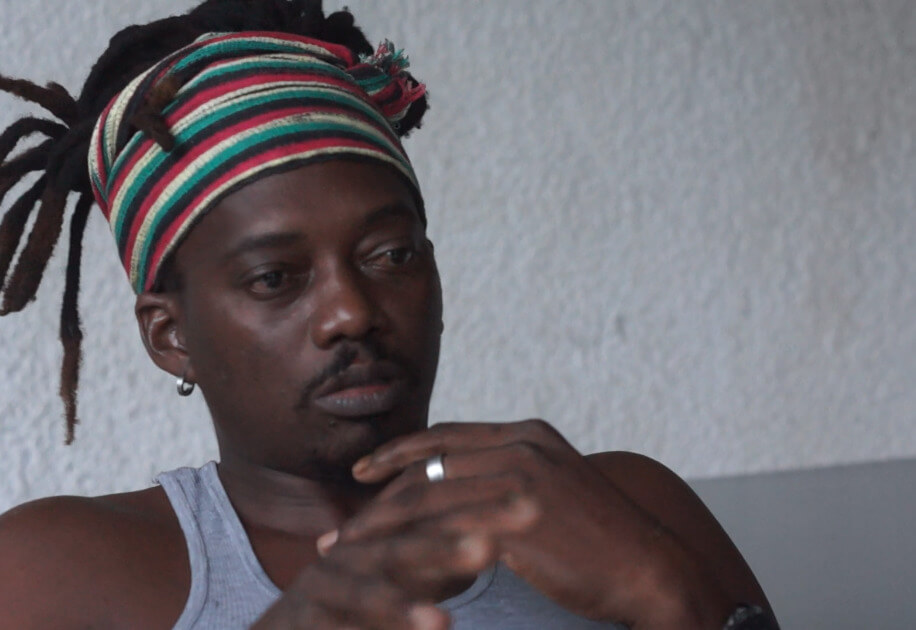
And balanced with that rapacity is the dignity of the Garifuna resistance to the privatization of their ancestral lands. This is a struggle with fable-like, epic qualities, of heroes and villains, theft and floggings and, well if not quite geese, at least sharks. But talk to Garifuna community leader Alfredo Lopez for 5 minutes and it becomes clear that any attempts to romanticize the cut-throat struggle is incongruous. He will talk of the brutal repression, the murders, the prisoners, of an venerable culture against the wall, of a proud people facing extinction. “All this privatization is illegal, and if it continues – we are going to die as a people.” says Alfredo, standing before the breathtaking Bay of Tela – the disputed territory coveted by the lascivious conglomerate of tourist industry transnationals. “To lose our land, is to lose everything. We are in a struggle for our life and we will do what it takes to defend ourselves.” Continue Reading
Across the world right now, Indigenous peoples are facing a renewed assault on their lands, rights, and ways of life.
From extractive industries pushing deeper into ancestral territories, to governments rolling back hard-won protections,
the threat is global—and it is growing.
What makes this moment especially dangerous is how little attention it receives.
Stories like this are disappearing in real time. Mainstream media
barely covers it and the coverage is fragmented. The public is left without the context
needed to understand what is truly at stake.
That is exactly why IC Magazine exists..
For more than 20 years, IC has reported on Indigenous struggles worldwide — consistently, independently, and without compromise.
We don’t follow news cycles; we trace patterns. We don’t sensationalize; we provide context.
And when the world looks away, we stay focused.
But this work is increasingly difficult to sustain.
We refuse to lock our reporting behind a paywall. We don’t sell access through subscriptions.
And we don’t answer to advertisers. IC Magazine survives solely because readers like you choose to
support independent Indigenous journalism.
Please donate today if you can. Every contribution helps us to continue this crucial work.
Thank you,
John Ahni Schertow
Founder and Editor in Chief