Last Updated on March 9, 2026
Indigenous students and others have called for a larger movement to protect the traditional land rights of the Indigenous Garo peoples of Bangladesh.
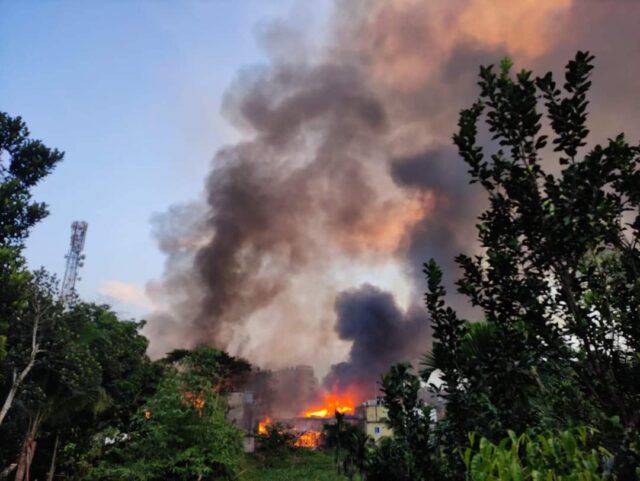
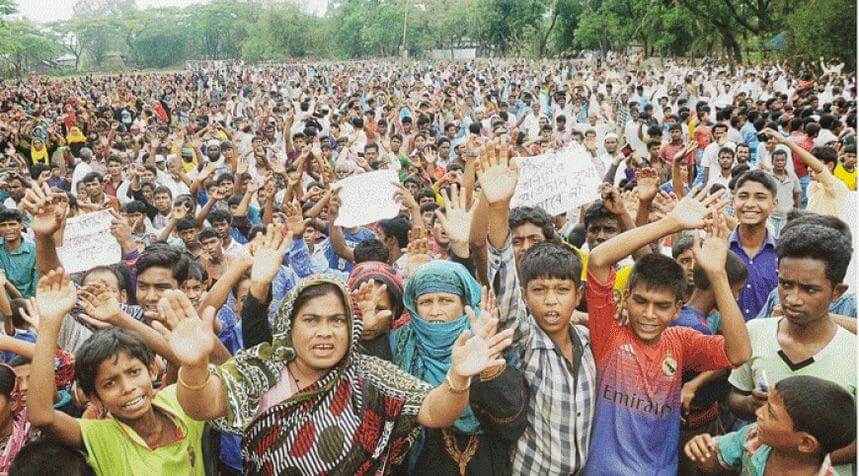
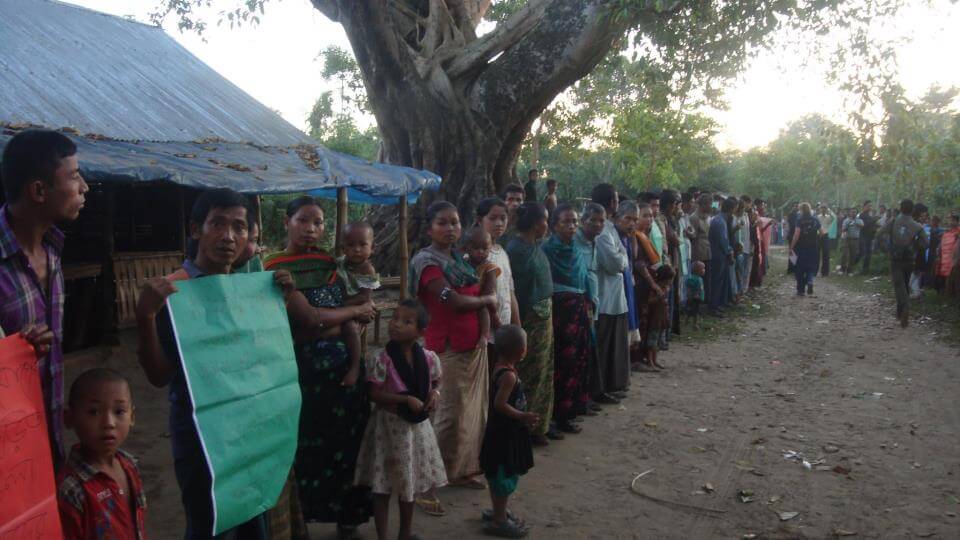
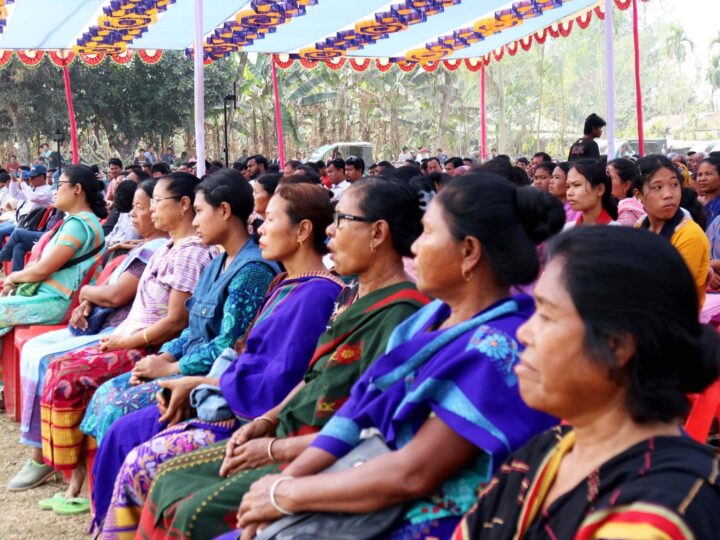
On March 6, 2026, hundreds of Indigenous students and community members gathered in Madhupur, in the Tangail District about 150 kilometers (94 miles) north of the capital, Dhaka, to protest plans to excavate an artificial lake and develop an eco-park in the forest.
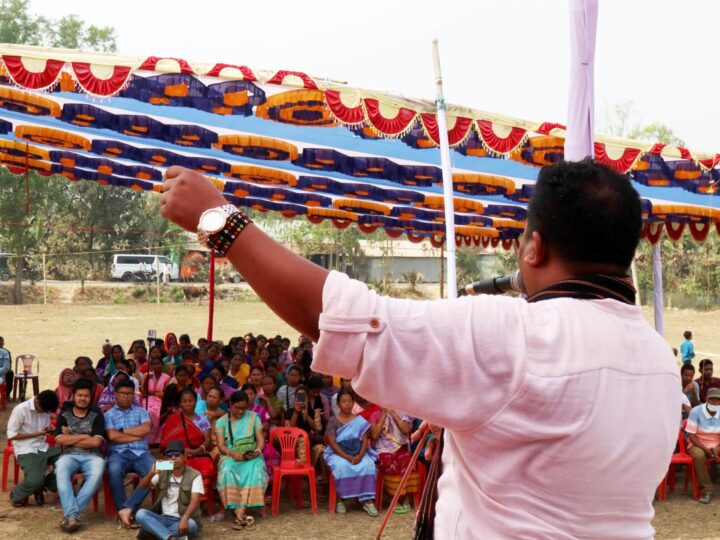
Protesters say the project would damage biodiversity and lead to the displacement of Indigenous residents who have lived in the area for generations.
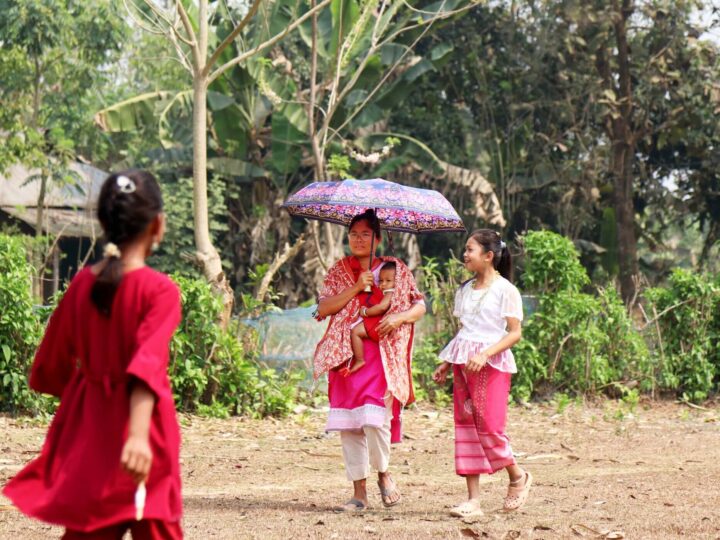
The Bangladesh government first proposed the artificial lake and eco-park project in 2000. Opposition from local Indigenous communities quickly followed. In 2004, tensions escalated when police opened fire during a protest, killing at least one Garo man and injuring several others. Following the violence and sustained protests, the government suspended the project.
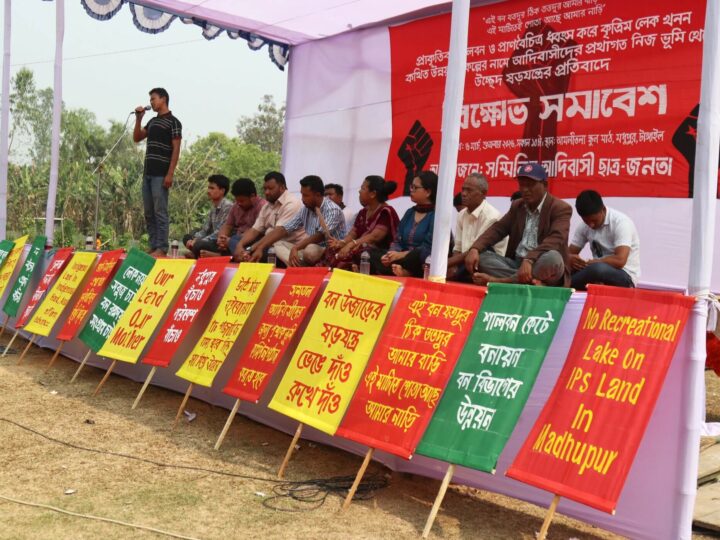
In 2026, more than two decades later, the government resumed work on the project.
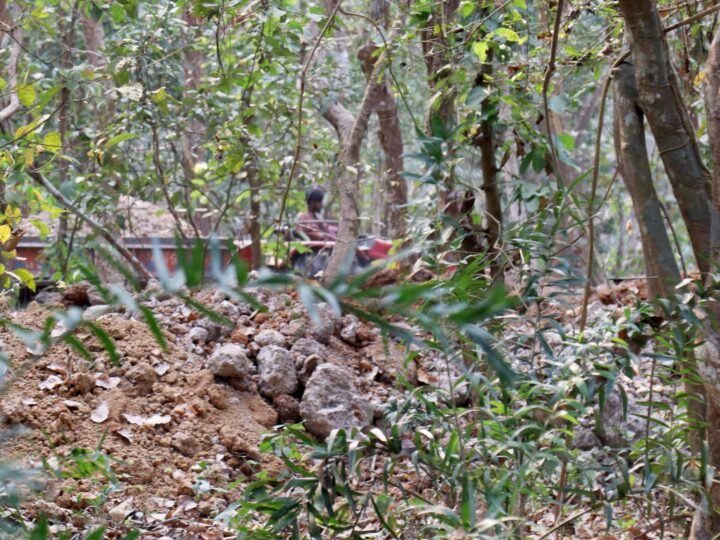
Authorities have already starting preliminary earth-cutting work in the project area.
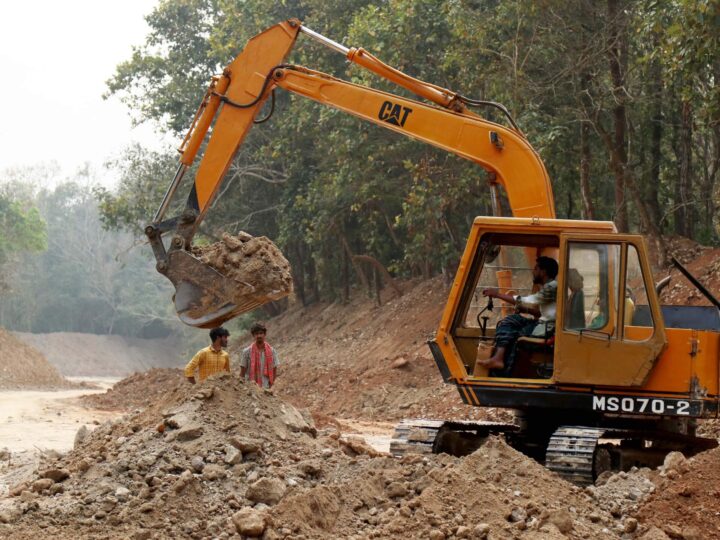
Tribal leaders argue the development threatens more than the forest ecosystem. They say the project is part of a long-term plan to evict them off their traditional lands.
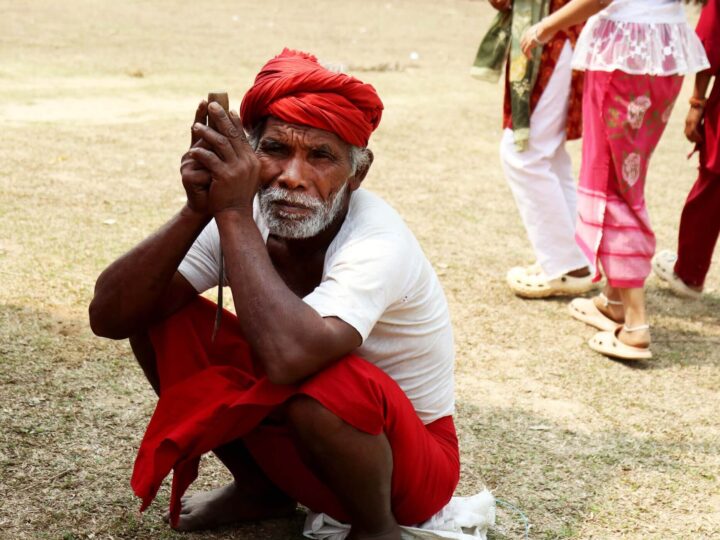
In response to the threat, Indigenous students organized the protest rally and warned the government that if the project is not withdrawn before the upcoming Eid holiday, expected around March 21, “the tribals will stage a stronger movement in the future.”
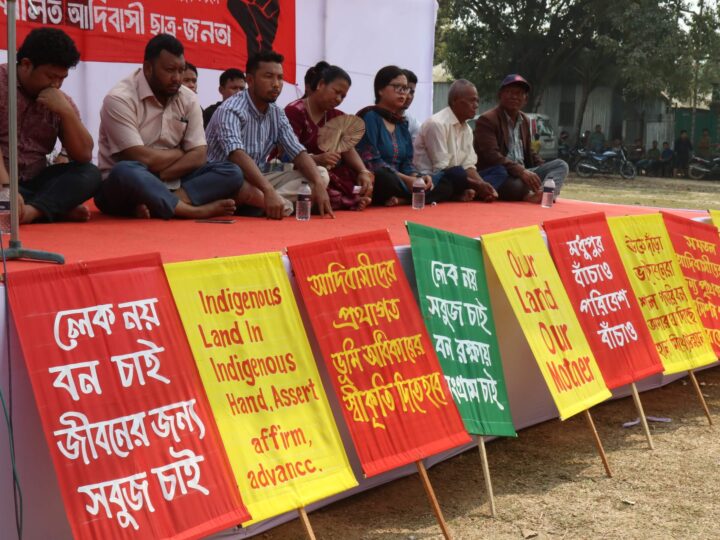
The Madhupur forest has long been home to the Garo and Koch Indigenous peoples, who depend on the land for their livelihoods, culture, and spiritual traditions.
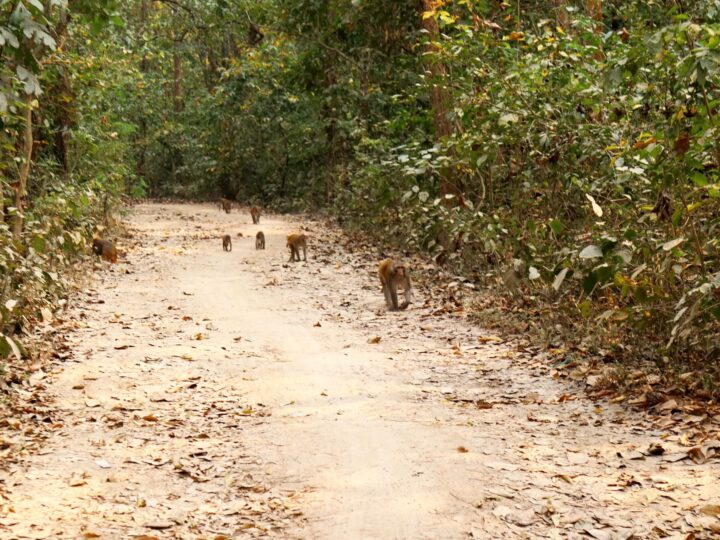
Community elders recall a time when tigers, bears, deer, wild boars, and wild cats roamed freely in this forest. Hundreds of birds and wild roosters were also commonly seen. Forest dwellers traditionally gathered forest potatoes and medicinal plants, and other resources from the dense vegetation.
Community members say those ecosystems have been steadily declining.
Many Indigenous residents trace the loss of forest land to the Tenancy Act of 1950, which paved the way for the government’s Forest Department to assume control over large areas traditionally used by the Indigenous communities.
Residents say that through the implementation of various projects by the Forest Department, the beauty and natural character of the forest has lost much of its uniqueness.
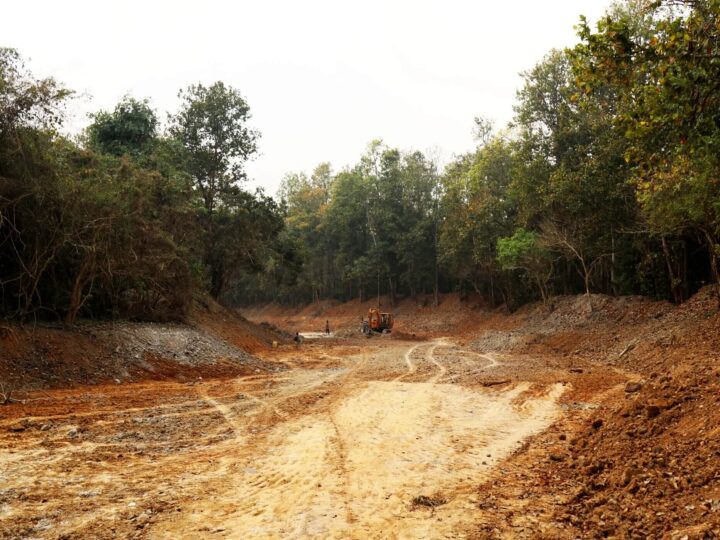
They claim that through projects involving lake excavation, entertainment centers, hotels, and resorts, the remaining forest is being destroyed.
They also claim that the local Garo-Koch are being exploited.

Forest officials say the lake is being expanded to 1,165 feet. They argue the previous lake, originally dug about five decades ago and measuring roughly 665 feet, has filled in, causing a severe water shortage in the forest during the dry season.
When rivers and canals in the forest dry up during the dry season, monkeys, Hanuman langurs, deer, and other wildlife come into nearby localities in search of water and are sometimes attacked.
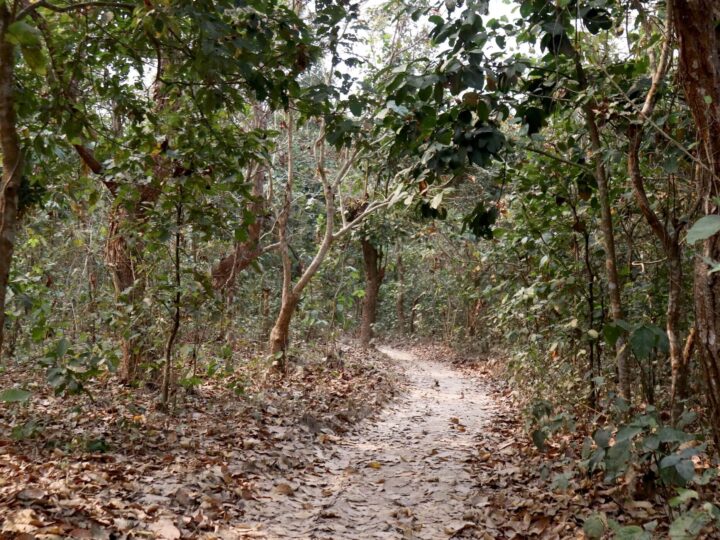
To make matters more complicated, no one has any customary land rights in the reserved forest and the lake is not being dug on Garo land. Officials also claim that some youths are spreading unnecessary confusion and tension at the behest of vested interest groups.
Stephan Uttom Rozario is a journalist and photographer based in Dhaka, Bangladesh, who covers religion, human rights, minorities, the environment, politics, and other contemporary issues.
All photos by Stephan Uttom Rozario.
Across the world right now, Indigenous peoples are facing a renewed assault on their lands, rights, and ways of life.
From extractive industries pushing deeper into ancestral territories, to governments rolling back hard-won protections,
the threat is global—and it is growing.
What makes this moment especially dangerous is how little attention it receives.
Stories like this are disappearing in real time. Mainstream media
barely covers it and the coverage is fragmented. The public is left without the context
needed to understand what is truly at stake.
That is exactly why IC Magazine exists..
For more than 20 years, IC has reported on Indigenous struggles worldwide — consistently, independently, and without compromise.
We don’t follow news cycles; we trace patterns. We don’t sensationalize; we provide context.
And when the world looks away, we stay focused.
But this work is increasingly difficult to sustain.
We refuse to lock our reporting behind a paywall. We don’t sell access through subscriptions.
And we don’t answer to advertisers. IC Magazine survives solely because readers like you choose to
support independent Indigenous journalism.
Please donate today if you can. Every contribution helps us to continue this crucial work.
Thank you,
John Ahni Schertow
Founder and Editor in Chief