
Last Updated on July 29, 2012
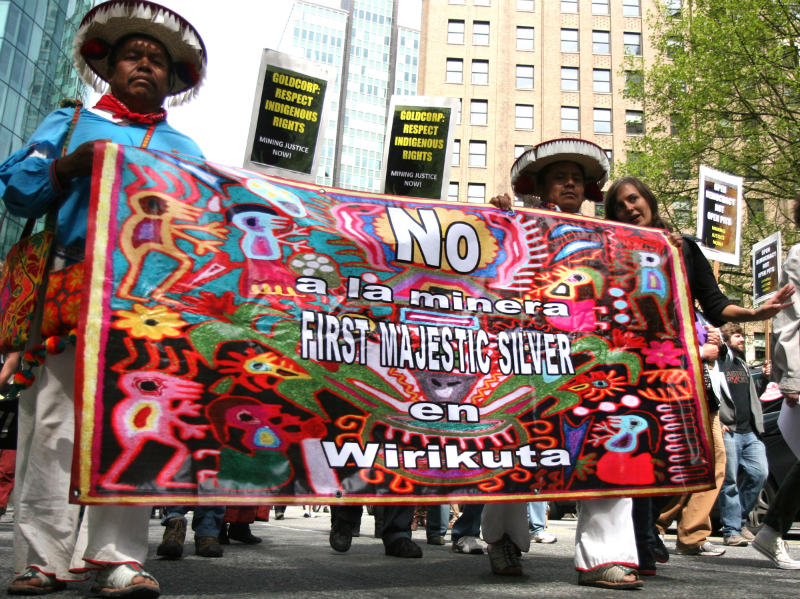
Judges at The Peoples’ International Health Tribunal have delivered their verdict on the case of Goldcorp’s mining operations in Carrizalillo in Guerrero, Mexico, Siria Valley in Francisco Morazan, Honduras, and San Miguel and Sipacapa in San Marcos, Guatemala.
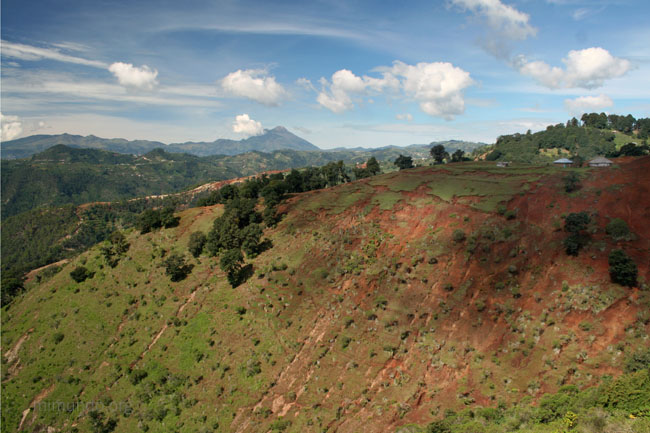
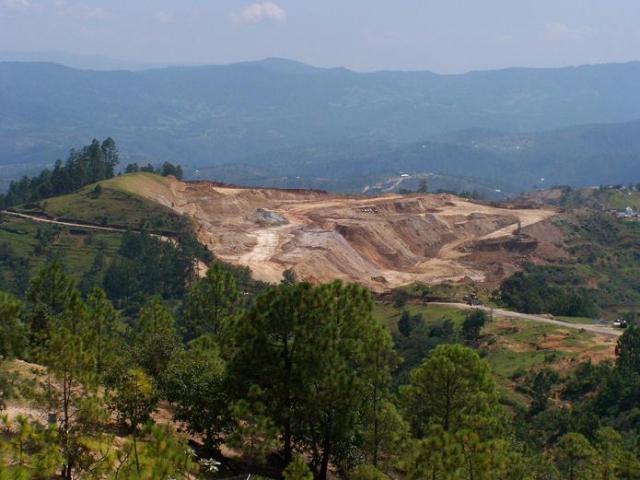
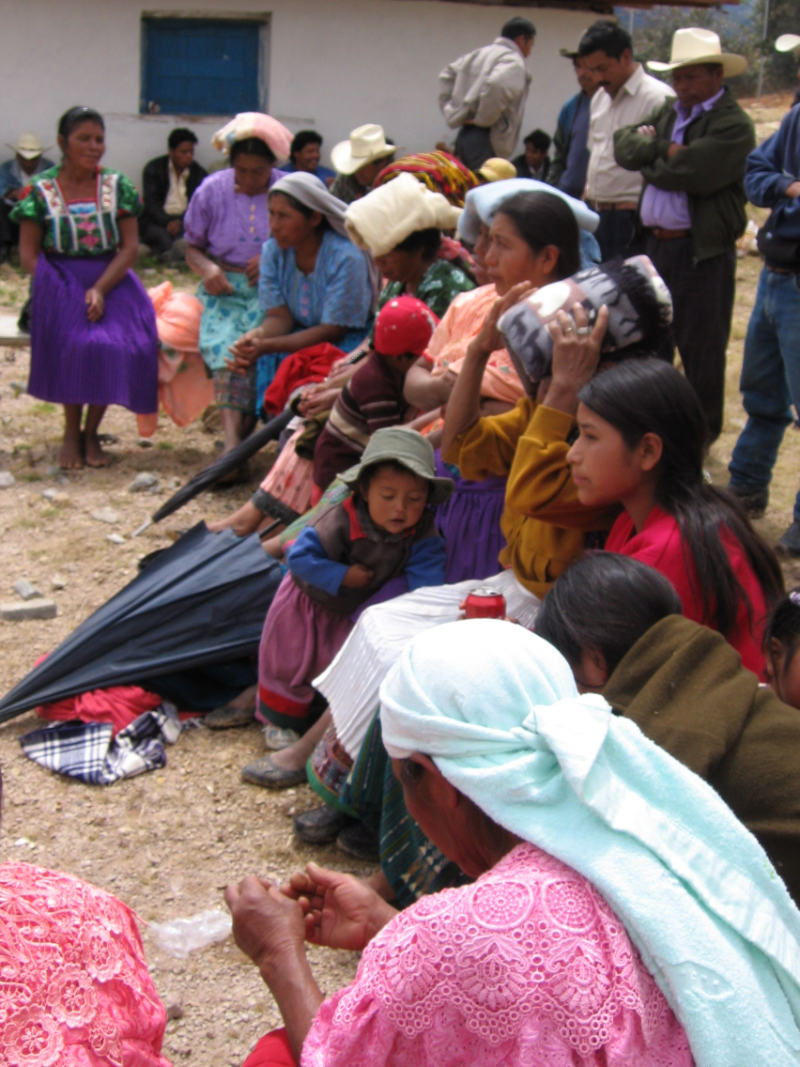
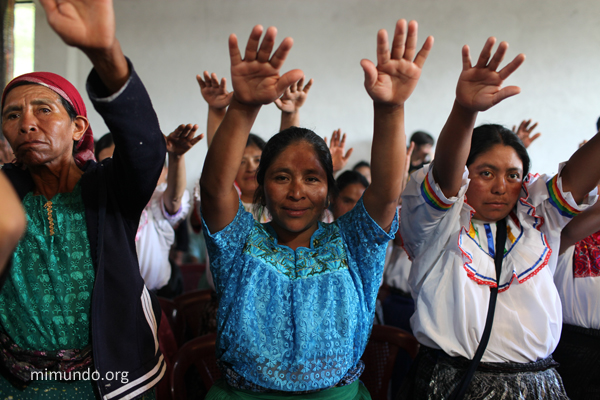
After hearing hours of testimony from affected community members about the negative social, physical, psychological and environmental impacts of Goldcorp’s mining operations, the distinguished panel of judges found Goldcorp Guilty in all three countries.
You can read the final verdict here.
Below, a press release from The Peoples’ International Health Tribunal
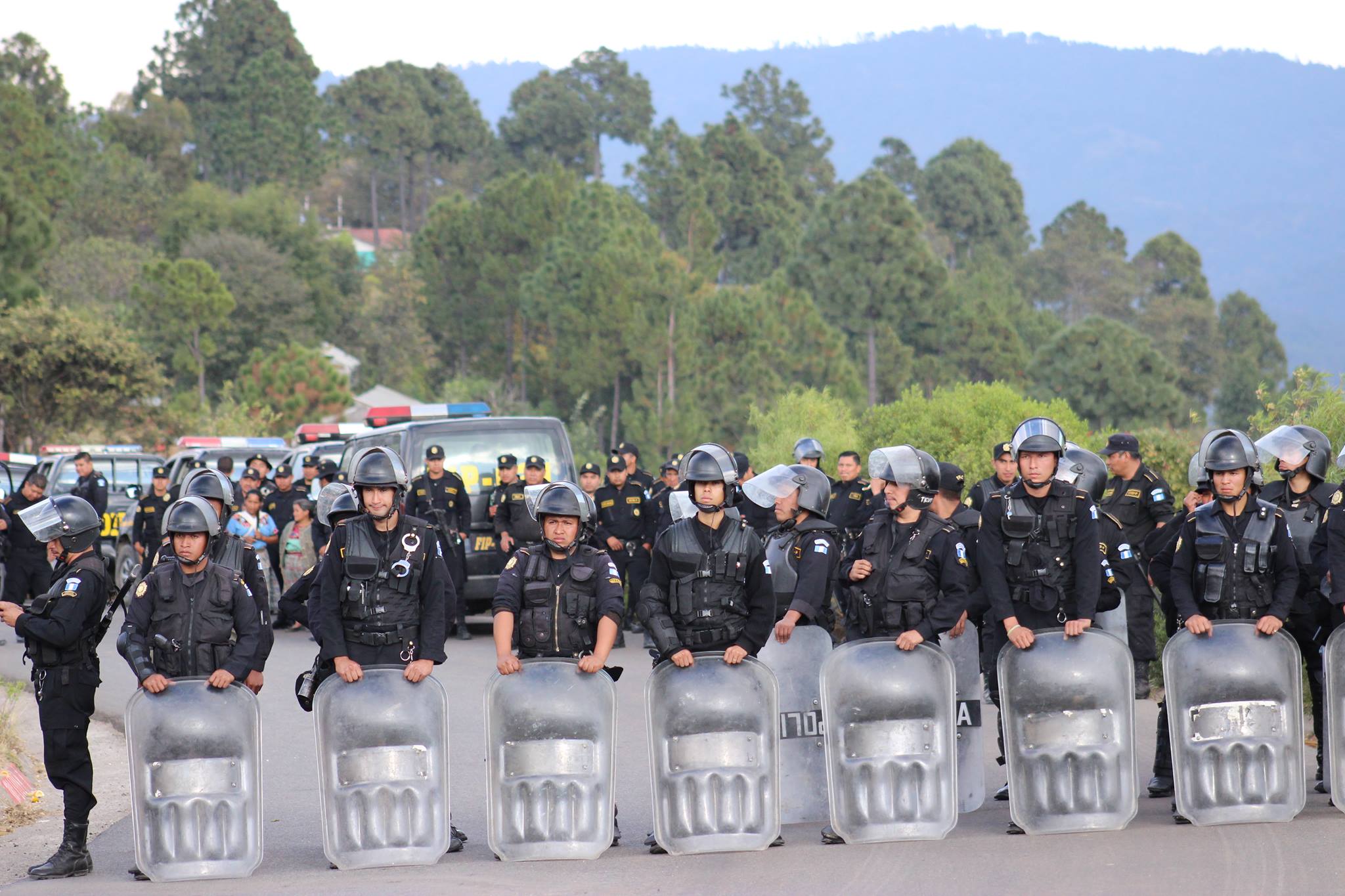
The Peoples’ International Health Tribunal came to a close today shortly after the reading of the judge’s final deliberation. The panel summarized the facts of the case against Goldcorp that they had heard in the previous day of testimonies regarding health issues, heightened birth defects, the contamination of the environment and lack of consent, as well as the psychological impacts of community division and the criminalization of dissent and the collective health of the community regarding issues such as addiction, an increase in sexually transmitted diseases and gender violence.
The distinguished panel delivered a guilty verdict to Goldcorp, the host countries of Honduras, Guatemala, and Mexico, as well as the Canadian Government for supporting and promoting in various ways the irresponsible mining investments in Mesoamerica.
For the reasons above described, we find Goldcorp guilty for its activities in Honduras, Guatemala and Mexico, which we find to be seriously damaging to the health and the quality of life, the quality of environment, and the right to self determination of the affected Indigenous and campesino communities.
Following the verdict, the judges read recommendations to the communities and demands of Goldcorp and of the States (national, departmental, state and municipal governments).
Read final verdict here.
Read a full (rough) transcript of the Tribunal here.
For interviews, please get in touch with our media contacts.
Across the world right now, Indigenous peoples are facing a renewed assault on their lands, rights, and ways of life.
From extractive industries pushing deeper into ancestral territories, to governments rolling back hard-won protections,
the threat is global—and it is growing.
What makes this moment especially dangerous is how little attention it receives.
Stories like this are disappearing in real time. Mainstream media
barely covers it and the coverage is fragmented. The public is left without the context
needed to understand what is truly at stake.
That is exactly why IC Magazine exists..
For more than 20 years, IC has reported on Indigenous struggles worldwide — consistently, independently, and without compromise.
We don’t follow news cycles; we trace patterns. We don’t sensationalize; we provide context.
And when the world looks away, we stay focused.
But this work is increasingly difficult to sustain.
We refuse to lock our reporting behind a paywall. We don’t sell access through subscriptions.
And we don’t answer to advertisers. IC Magazine survives solely because readers like you choose to
support independent Indigenous journalism.
Please donate today if you can. Every contribution helps us to continue this crucial work.
Thank you,
John Ahni Schertow
Founder and Editor in Chief