Last Updated on November 13, 2011
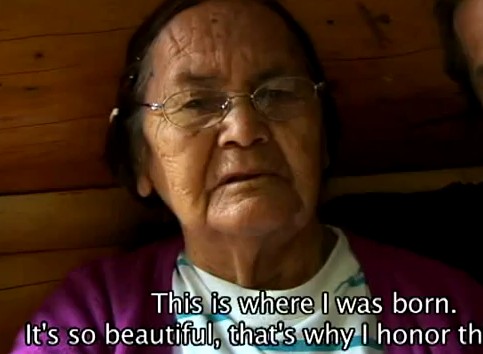
Friends of the Earth Canada presents a video about the attempts of Ascendant Copper (ACX.to) to build a strip mine in the cloud forests of Ecuador against the wishes of the inhabitants.
Synopsis: For over 20 years, global economic forces have been dismantling public education in Mexico, but always in the constant shadow of popular resistance…
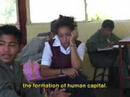
Granito de arena is the story of that resistance — the story of hundreds of thousands of public schoolteachers whose grassroots, non-violent movement took Mexico by surprise, and who have endured brutal repression in their 25-year struggle for social and economic justice in Mexico’s public schools. A sixty-minute documentary, Granito de Arena places the Mexican teachers’ struggle in a global context, clearly spelling out the relationship between economic globalization and the worldwide public education crisis.
Award-winning Seattle filmmaker, Jill Freidberg (This is What Democracy Looks Like, 2000), spent two years in southern Mexico documenting the efforts of over 100,000 teachers, parents, and students fighting to defend the country’s public education system from the devastating impacts of economic globalization. Freidberg combines footage of strikes and direct actions with 25 years worth of never-before-seen archival images to deliver a compelling and unsettling story of resistance, repression, commitment, and solidarity.
Visit the Official Website
Across the world right now, Indigenous peoples are facing a renewed assault on their lands, rights, and ways of life.
From extractive industries pushing deeper into ancestral territories, to governments rolling back hard-won protections,
the threat is global—and it is growing.
What makes this moment especially dangerous is how little attention it receives.
Stories like this are disappearing in real time. Mainstream media
barely covers it and the coverage is fragmented. The public is left without the context
needed to understand what is truly at stake.
That is exactly why IC Magazine exists..
For more than 20 years, IC has reported on Indigenous struggles worldwide — consistently, independently, and without compromise.
We don’t follow news cycles; we trace patterns. We don’t sensationalize; we provide context.
And when the world looks away, we stay focused.
But this work is increasingly difficult to sustain.
We refuse to lock our reporting behind a paywall. We don’t sell access through subscriptions.
And we don’t answer to advertisers. IC Magazine survives solely because readers like you choose to
support independent Indigenous journalism.
Please donate today if you can. Every contribution helps us to continue this crucial work.
Thank you,
John Ahni Schertow
Founder and Editor in Chief