Last Updated on May 19, 2019
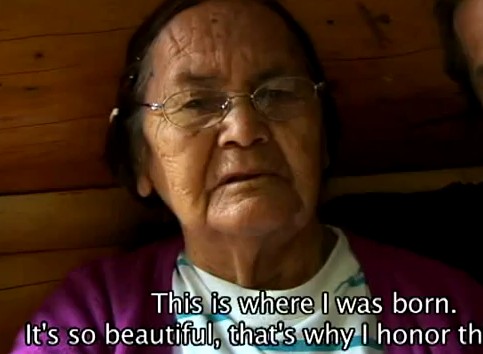
CBC video journalist Peter Wall returns to Grassy Narrows, 40 years after the community was poisoned with Mercury.
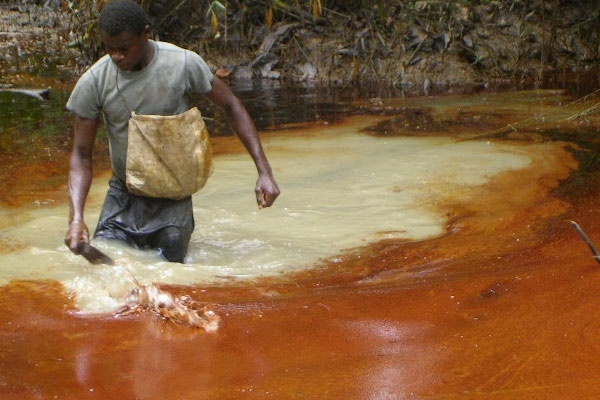
Forty years after Dryden Chemical Company dumped 20,000 pounds of mercury into the Wabigoon River, with the Ontario government’s expressed consent, the people of Grassy Narrows continue to suffer the effects of mercury poisoning.
Dryden Chemical Company, a chloralkali process plant, supplied both sodium hydroxide and chlorine for the Dryden Pulp and Paper Company. Dryden Chemical company discharged their effluent into the Wabigoon-English River system. 20,000 pounds of mercury was dumped into the river between 1962 and 1970.
In 1970, the government of Canada stepped in, informing commercial fishermen and tourist-lodge owners along the English-Wabigoon River that fish were testing for extremely high levels of mercury.
After the warning was made public, the Ontario government told the people of Grassy Narrows, Wabaseemoong, and Wabauskang First Nations to stop eating the fish– their main food staple–and further advised Grassy Narrows to shut down its commercial fishery. In the blink of an eye, Grassy Narrows’ economy was devastated.
The government, however, claimed that it would only take a few months for the mercury to wash out of the river system. Yet, forty years later, the effects are still being revealed.
For more information on Grassy Narrows and their struggle, please visit: www.freegrassy.org
Across the world right now, Indigenous peoples are facing a renewed assault on their lands, rights, and ways of life.
From extractive industries pushing deeper into ancestral territories, to governments rolling back hard-won protections,
the threat is global—and it is growing.
What makes this moment especially dangerous is how little attention it receives.
Stories like this are disappearing in real time. Mainstream media
barely covers it and the coverage is fragmented. The public is left without the context
needed to understand what is truly at stake.
That is exactly why IC Magazine exists..
For more than 20 years, IC has reported on Indigenous struggles worldwide — consistently, independently, and without compromise.
We don’t follow news cycles; we trace patterns. We don’t sensationalize; we provide context.
And when the world looks away, we stay focused.
But this work is increasingly difficult to sustain.
We refuse to lock our reporting behind a paywall. We don’t sell access through subscriptions.
And we don’t answer to advertisers. IC Magazine survives solely because readers like you choose to
support independent Indigenous journalism.
Please donate today if you can. Every contribution helps us to continue this crucial work.
Thank you,
John Ahni Schertow
Founder and Editor in Chief