
Last Updated on December 18, 2025
Hawaiʻi’s Board of Land and Natural Resources (BLNR) has rejected the U.S. Army’s proposal to extend its lease of nearly 20,000 acres at the Pōhakuloa Training Area (PTA) on Hawaiʻi Island.
The May 9 vote follows a wave of public opposition to the Army’s Final Environmental Impact Statement (FEIS) that included more than 1500 submissions with concerns that ranged from a lack of groundwater contamination assessments and wildfire risk mitigation to the Army’s failure to conduct proper surveys for endangered species and cultural areas. More than 140 people also testified at the hearing.
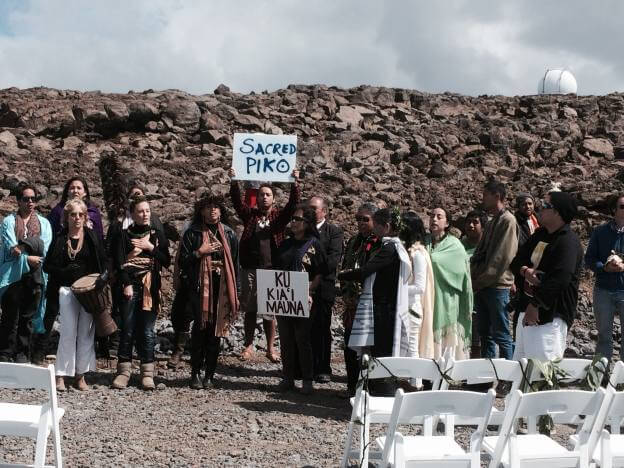
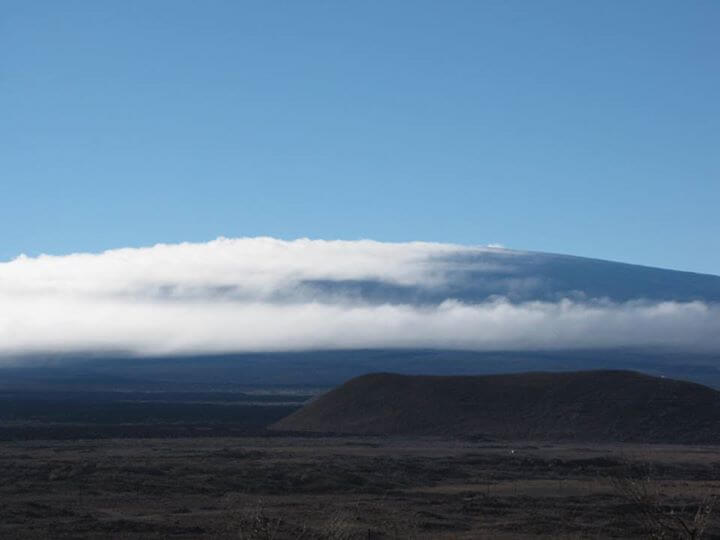
Pōhakuloa, which means “long stone”, sits within a network of culturally significant sites including the sacred mountains Mauna Kea and Mauna Loa. The region is also home to rare and endangered native species like the palila bird as well as various native plants that Kānaka Maoli (Native Hawaiians) use for medicine, ceremony, and sustenance.
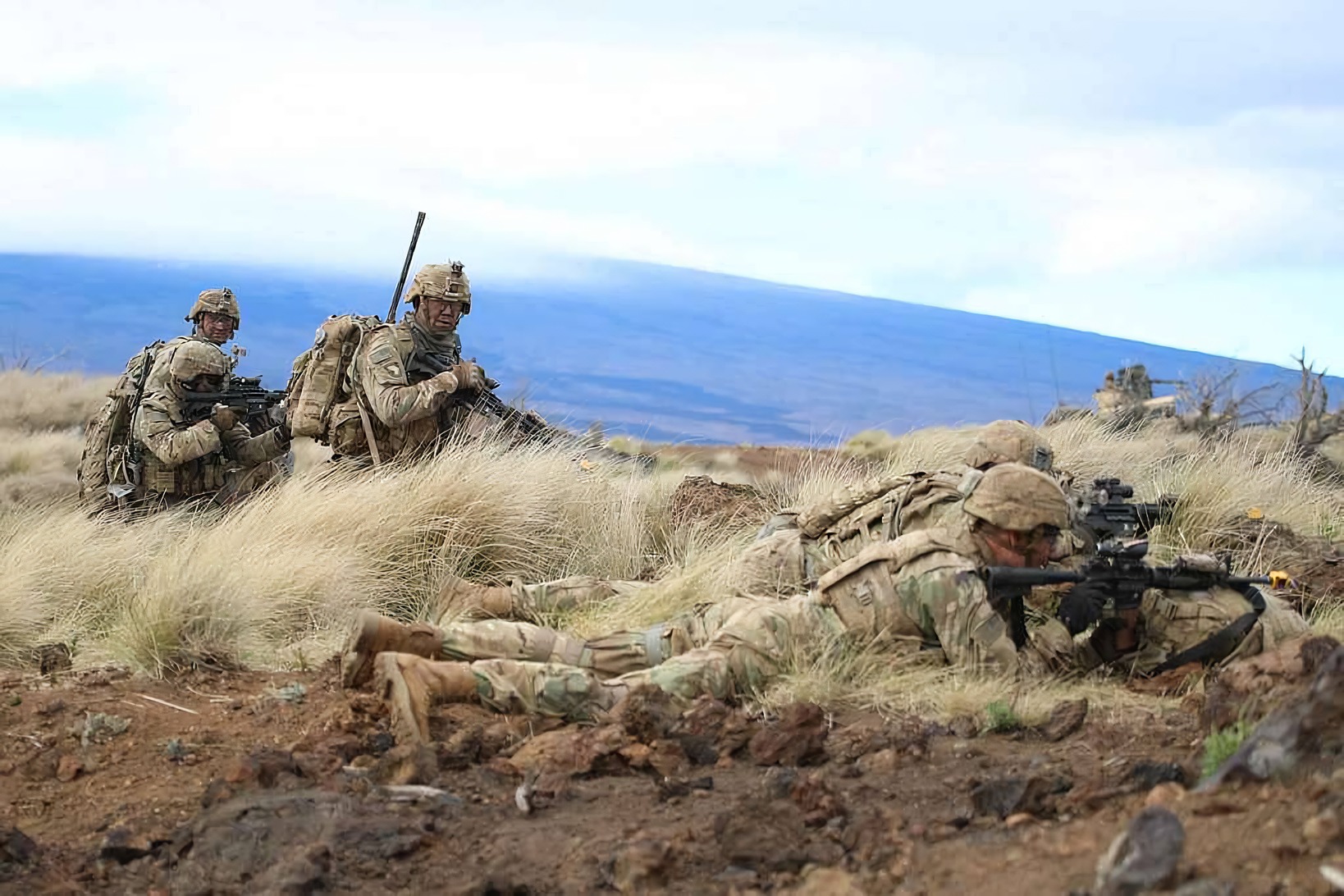
The U.S. military has used the area for live-fire training exercises since the 1940s, despite this sacred significance.
Board Chair Dawn Chang called it one of the most important and difficult decisions the BLNR has faced. Chang said, “After reviewing three volumes of the FEIS and considering hours of oral testimony written comments, the board members’ decision not to accept the Army’s FEIS was based upon the inadequacy of the FEIS. This decision was not about the merits of whether the Army should not conduct training in Hawai‘i, but whether the FEIS provided the public and the land board adequate information to make an informed decision about the environmental impacts of the proposed action.”
“This environmental review is inadequate,” said Lauren Asaka, the Office of Conservation and Coastal Lands staff planner. “It is missing key information including biological and cultural surveys, it ignores impacts to adjacent federal lands, […] it turns a blind eye to threats to endangered species and their habitats, impacts to cultural resources and practices and even the risk of aquifer contamination.”
A number of testifiers argued that the Army has not earned the public’s trust or shown the accountability needed for continued use of public lands. They emphasized that the issue is not about military readiness as much as it is about protecting places that are sacred and ecologically fragile.
Several speakers also stressed that the Army’s plan would violate the state’s constitutional duty to protect public trust lands and uphold Native Hawaiian rights.
The Army now has 60 days to appeal the decision to the state Environmental Advisory Council.
For many advocates, the board’s decision marks a rare win in the long struggle for environmental justice and Indigenous sovereignty in Hawaiʻi.
Across the world right now, Indigenous peoples are facing a renewed assault on their lands, rights, and ways of life.
From extractive industries pushing deeper into ancestral territories, to governments rolling back hard-won protections,
the threat is global—and it is growing.
What makes this moment especially dangerous is how little attention it receives.
Stories like this are disappearing in real time. Mainstream media
barely covers it and the coverage is fragmented. The public is left without the context
needed to understand what is truly at stake.
That is exactly why IC Magazine exists..
For more than 20 years, IC has reported on Indigenous struggles worldwide — consistently, independently, and without compromise.
We don’t follow news cycles; we trace patterns. We don’t sensationalize; we provide context.
And when the world looks away, we stay focused.
But this work is increasingly difficult to sustain.
We refuse to lock our reporting behind a paywall. We don’t sell access through subscriptions.
And we don’t answer to advertisers. IC Magazine survives solely because readers like you choose to
support independent Indigenous journalism.
Please donate today if you can. Every contribution helps us to continue this crucial work.
Thank you,
John Ahni Schertow
Founder and Editor in Chief