Last Updated on June 4, 2019
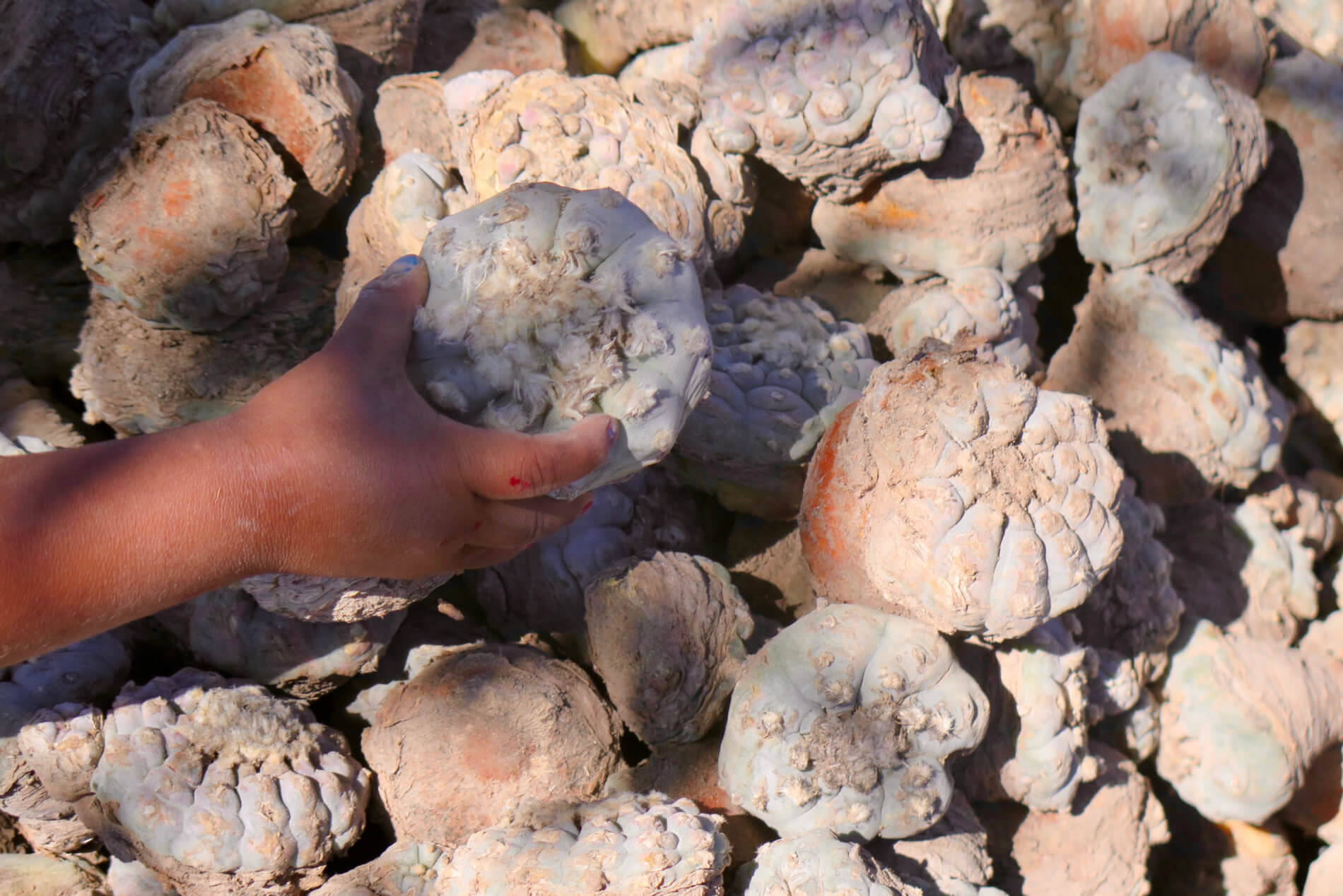
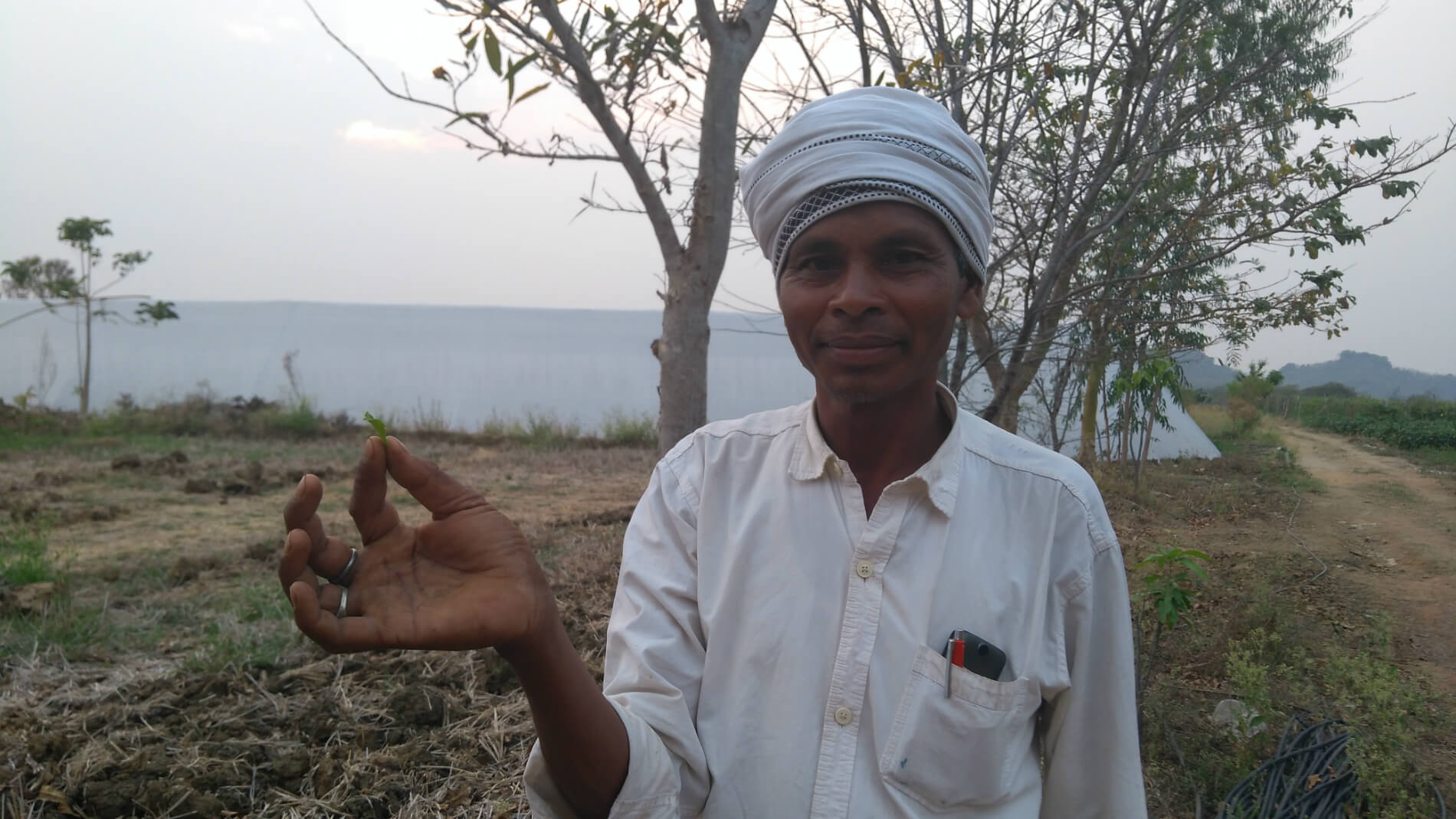
Intercontinental Cry has started work on a new twelve-part series exploring indigenous medicines and how they are used in twelve indigenous communities around the world.
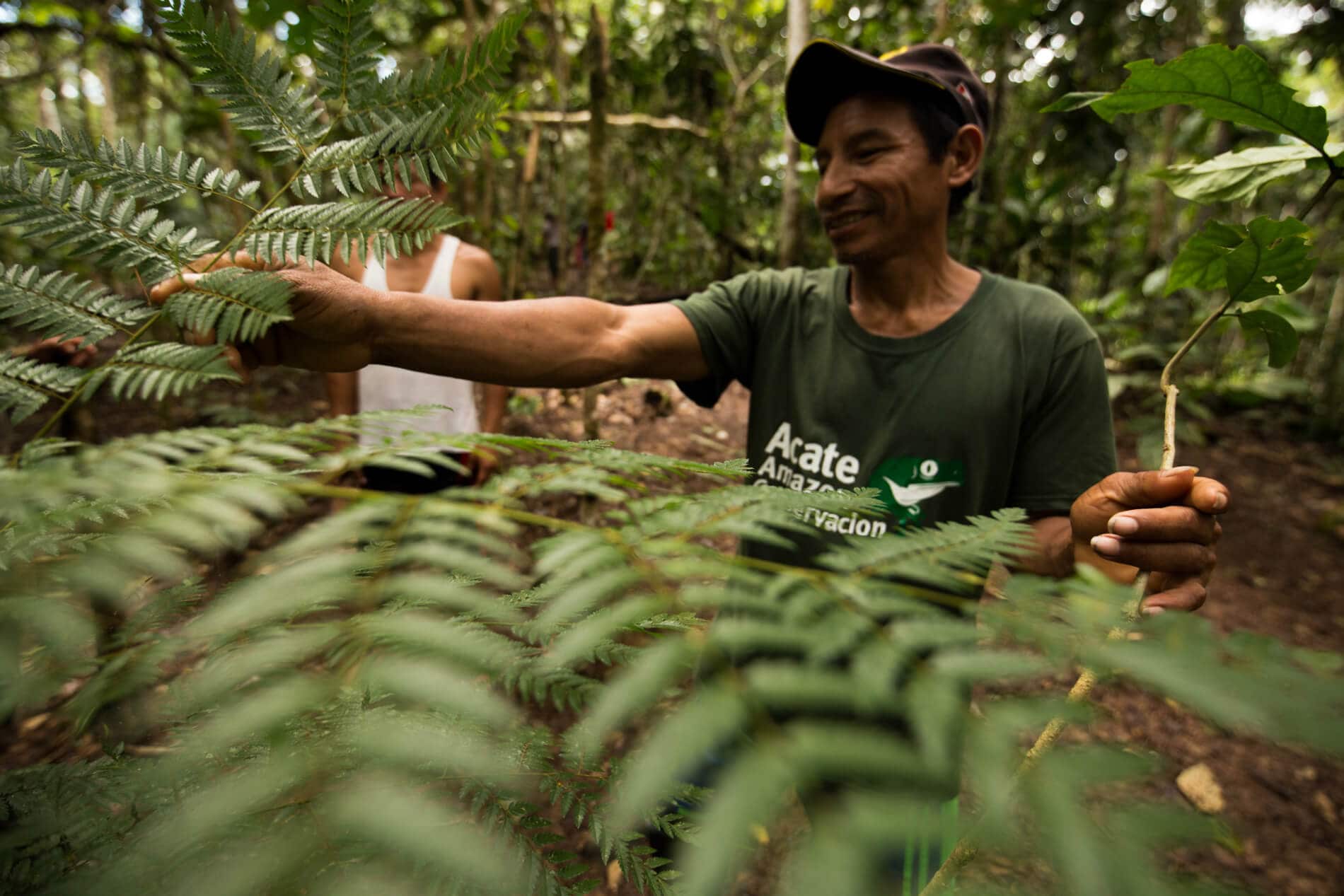
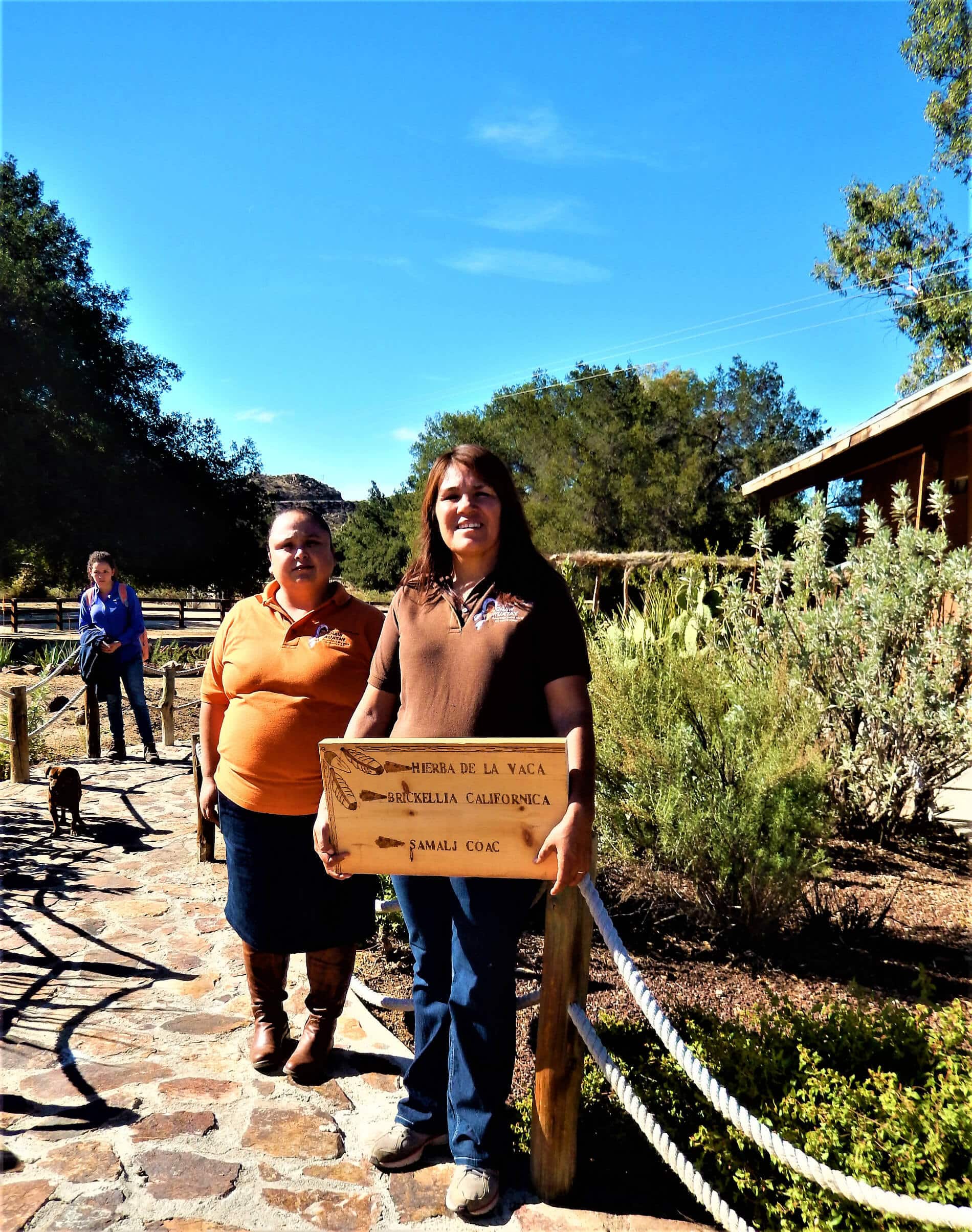
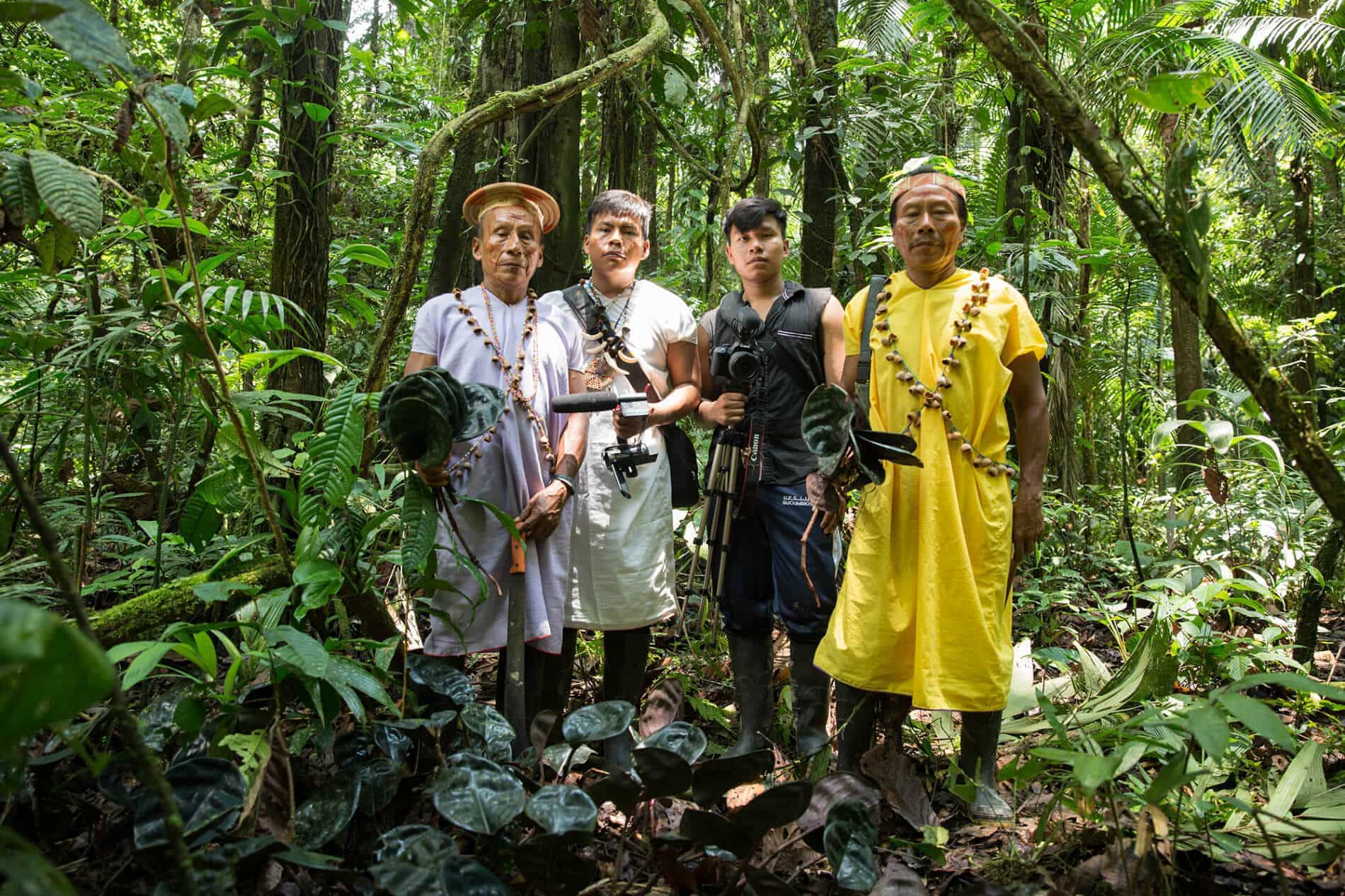
This new series will take readers to one new indigenous community each month over the course of one full year. In each community, IC will explore a wide range of issues surrounding the role and use of indigenous medicines including the biocultural history of specific plants, and any challenges that an indigenous nation may face in collection, restoration or preservation of plant and animal sources.
“It’s our goal to highlight issues that don’t make headlines and offer new insight into the realities of indigenous medicine use today”, says IC Editor in Chief John Ahni Schertow.
“Civil society has benefited greatly from indigenous medicine knowledge; but we have the unfortunate tendency to either romanticize that knowledge or greet it with unrelenting skepticism because we’ve been conditioned to believe that real medicine can only come from a research lab,” Schertow continues. “When we get right down to it though, all medicine comes from the Earth; and in many cases we owe our modern knowledge of medicine to Indigenous Peoples. This series will honor the reality of indigenous medicine, the knowledge we spotlight and the communities and nations responsible for that knowledge.”
The series is supported by a grant from the Elna Vesara Ostern Fund awarded to the Center for World Indigenous Studies by the California Community Foundation to carry out “studies of medicinal/pharmacological uses of wildlife products, particularly in relation to local communities”.
Across the world right now, Indigenous peoples are facing a renewed assault on their lands, rights, and ways of life.
From extractive industries pushing deeper into ancestral territories, to governments rolling back hard-won protections,
the threat is global—and it is growing.
What makes this moment especially dangerous is how little attention it receives.
Stories like this are disappearing in real time. Mainstream media
barely covers it and the coverage is fragmented. The public is left without the context
needed to understand what is truly at stake.
That is exactly why IC Magazine exists..
For more than 20 years, IC has reported on Indigenous struggles worldwide — consistently, independently, and without compromise.
We don’t follow news cycles; we trace patterns. We don’t sensationalize; we provide context.
And when the world looks away, we stay focused.
But this work is increasingly difficult to sustain.
We refuse to lock our reporting behind a paywall. We don’t sell access through subscriptions.
And we don’t answer to advertisers. IC Magazine survives solely because readers like you choose to
support independent Indigenous journalism.
Please donate today if you can. Every contribution helps us to continue this crucial work.
Thank you,
John Ahni Schertow
Founder and Editor in Chief