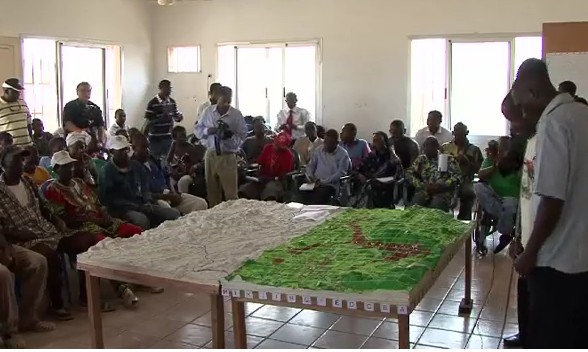
The Batwa people, also known as the Twa or Pygmies, are one of the oldest surviving Indigenous groups in Central Africa. Traditionally, they have lived as forest-dwelling hunter-gatherers in the Great Lakes region, including Uganda, Rwanda, Burundi, and the Democratic Republic of Congo. The Batwa have a deep spiritual and cultural connection to the rainforest, which has historically sustained them through hunting, gathering, and traditional medicine. Despite being the original inhabitants of these forests, they have long been marginalized by dominant agricultural and pastoral communities.
A major challenge for the Batwa is the loss of their ancestral lands. In the 1990s and early 2000s, many Batwa were forcibly evicted from national parks and conservation areas, such as Bwindi Impenetrable Forest in Uganda, to make way for wildlife conservation and tourism. These evictions were done without compensation, leading to widespread homelessness, poverty, and loss of livelihood. Without legal land titles or inclusion in land-use policies, the Batwa remain largely landless and vulnerable to exploitation.
The Batwa face systemic discrimination, limited access to education, healthcare, and political representation. They are often stigmatized as inferior by surrounding communities and excluded from public services. Efforts to reclaim their rights have been led by Batwa-led advocacy groups and international human rights organizations, focusing on land restitution, cultural preservation, and equitable development. Despite ongoing challenges, there is a growing recognition of the Batwa as key stakeholders in Indigenous rights and forest conservation movements across Central Africa.