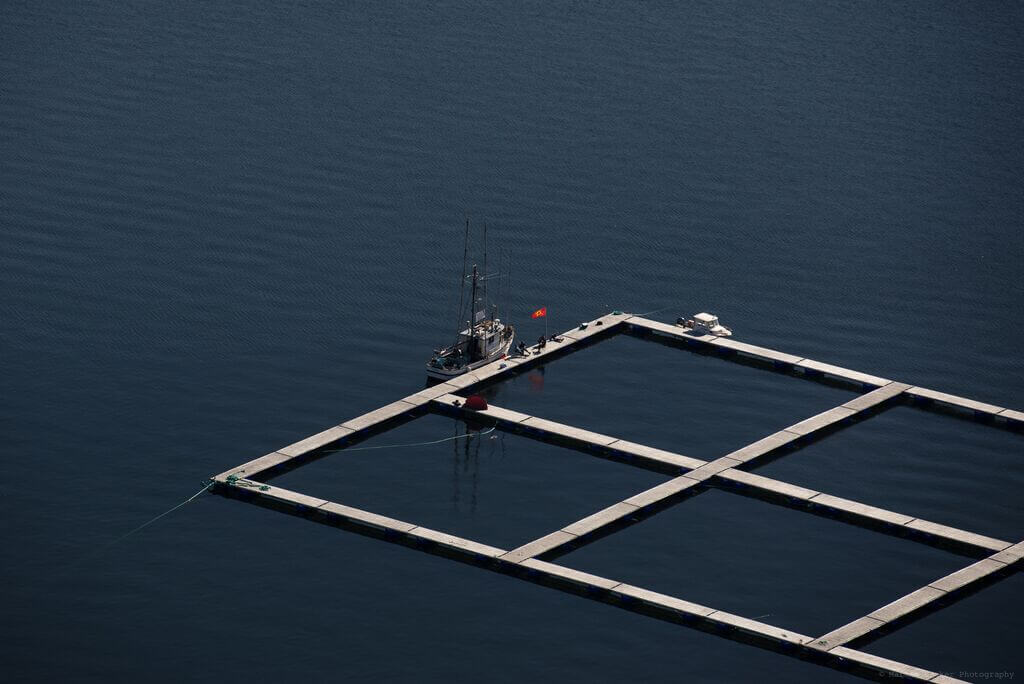
The Ahousaht First Nation are one of the largest Nuu-chah-nulth Nations on the west coast of Vancouver Island in British Columbia, Canada. Their traditional territory spans the rich marine and forest ecosystems around Clayoquot Sound. Known for their deep spiritual and cultural ties to land and sea, the Ahousaht practice long-standing traditions such as fishing, carving, potlatching, and oral storytelling. Their governance is guided by hereditary chiefs and a strong sense of collective stewardship.
The Ahousaht have endured the long-term effects of colonization, residential schools, and systemic marginalization. These historical traumas have led to intergenerational challenges, including poverty, housing shortages, and limited access to healthcare and education. Environmental threats, such as commercial overfishing, logging, and climate change, continue to endanger their resources and way of life. The community also navigates jurisdictional complexities between federal and provincial governments regarding land and marine rights.
Despite these challenges, the Ahousaht people are global leaders in Indigenous-led conservation. They have developed the Ahousaht Land Use Vision and Marine Plan, a model for sustainable resource management that balances cultural values with environmental protection. Their commitment to guardian programs, youth cultural camps, and language revitalization reflects a powerful movement to heal and thrive. The Ahousaht stand as an inspiring example of how Indigenous knowledge systems can shape a more sustainable and equitable future.
Ahousaht First Nation, Nuu-chah-nulth, Indigenous Canada, Ahousaht marine stewardship, Ahousaht challenges, Ahousaht culture, First Nations