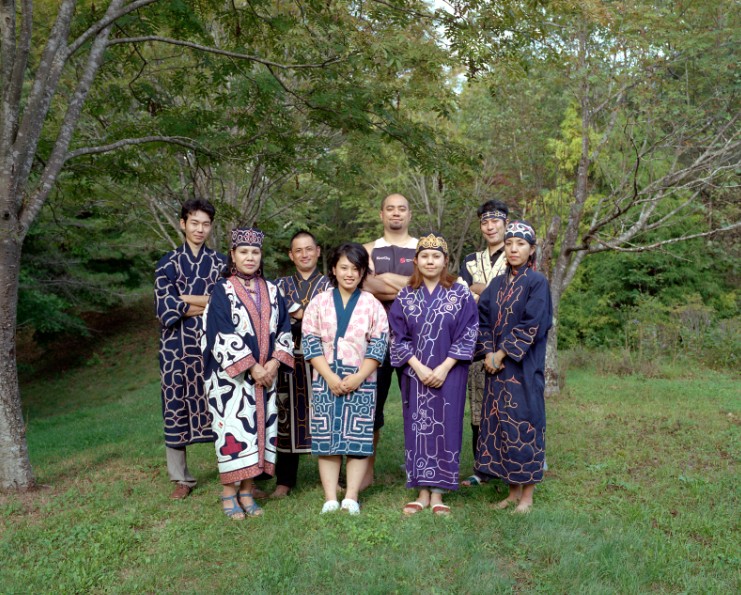
The Ainu are an Indigenous people primarily from Hokkaido, Japan, with historical ties to the Kuril Islands and Sakhalin. Distinct from the majority Yamato Japanese population, the Ainu have their own language, spiritual beliefs, and cultural practices centered around nature, oral storytelling, and rituals honoring animals and ancestors. Although they were historically hunter-gatherers and fishers, Ainu communities experienced forced assimilation and loss of land as Japan expanded its territory during the 19th century.
For over a century, the Ainu faced systemic discrimination, cultural suppression, and economic marginalization. The Meiji government enacted laws that banned the Ainu language and traditions, labeling them as “former Aborigines.” This led to widespread loss of cultural identity and forced assimilation into Japanese society. Although Japan officially recognized the Ainu as an Indigenous people in 2019, many Ainu continue to struggle with social stigma, lack of land rights, and underrepresentation in national policy.
Despite historical oppression, the Ainu are undergoing a powerful cultural resurgence. Community leaders and scholars are reviving the Ainu language, reintroducing traditional ceremonies, and promoting heritage through museums and education. The Upopoy National Ainu Museum and Park in Hokkaido symbolizes a broader movement toward recognition and reconciliation. Through advocacy and cultural pride, the Ainu are asserting their identity and shaping the conversation around Indigenous rights in modern Japan.
Ainu people, Indigenous Japan, Ainu culture, Ainu history, Ainu challenges, Indigenous rights Japan, Ainu revitalization