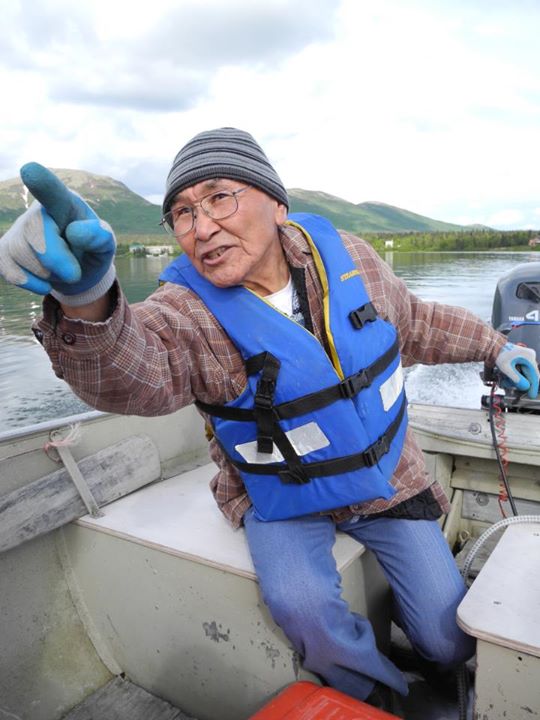
The Aleut, or Unangax̂, are Indigenous peoples native to the Aleutian Islands, Pribilof Islands, and parts of coastal Alaska. With a history spanning thousands of years, the Aleut are known for their exceptional maritime skills, having thrived in some of the harshest oceanic environments on Earth. Their society traditionally revolved around sea hunting, particularly of marine mammals like seals and sea otters, and they developed highly sophisticated kayaks (iqyax̂) and cold-weather gear to navigate the treacherous Bering Sea. The Aleut culture is rich in oral traditions, artistry, and a deep spiritual connection to land and sea.
The Aleut people have endured significant challenges over centuries, beginning with Russian colonization in the 18th century, which led to forced labor, violence, and population decline. Later, during World War II, the U.S. government forcibly relocated hundreds of Aleuts from their villages under the guise of protection, placing them in poorly maintained camps where many died from disease and neglect. These traumatic events caused major disruptions to their cultural practices, language use, and traditional livelihoods. Today, they continue to face issues such as climate change, coastal erosion, and the ongoing struggle to preserve their language and cultural identity amid modern pressures.
Despite these adversities, the Aleut people have demonstrated extraordinary resilience and commitment to cultural preservation. Efforts are underway to revitalize the Unangam Tunuu language, teach traditional crafts, and pass down ancestral knowledge through intergenerational education programs. Aleut leaders are also active in environmental stewardship, advocating for sustainable fishing and protecting marine ecosystems that have sustained them for millennia. Their enduring spirit and proactive engagement in both cultural and ecological restoration stand as a testament to their strength and the vital role of Indigenous knowledge in shaping a sustainable future.