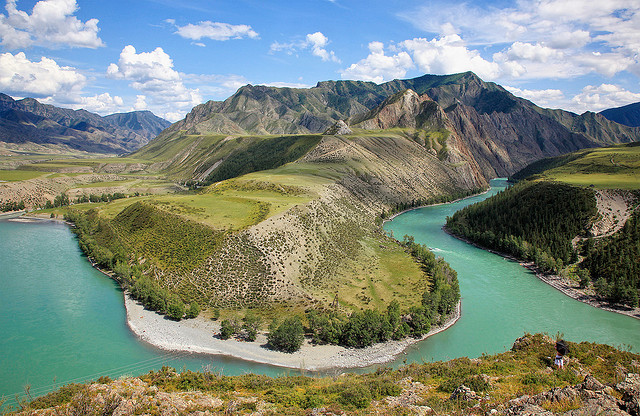
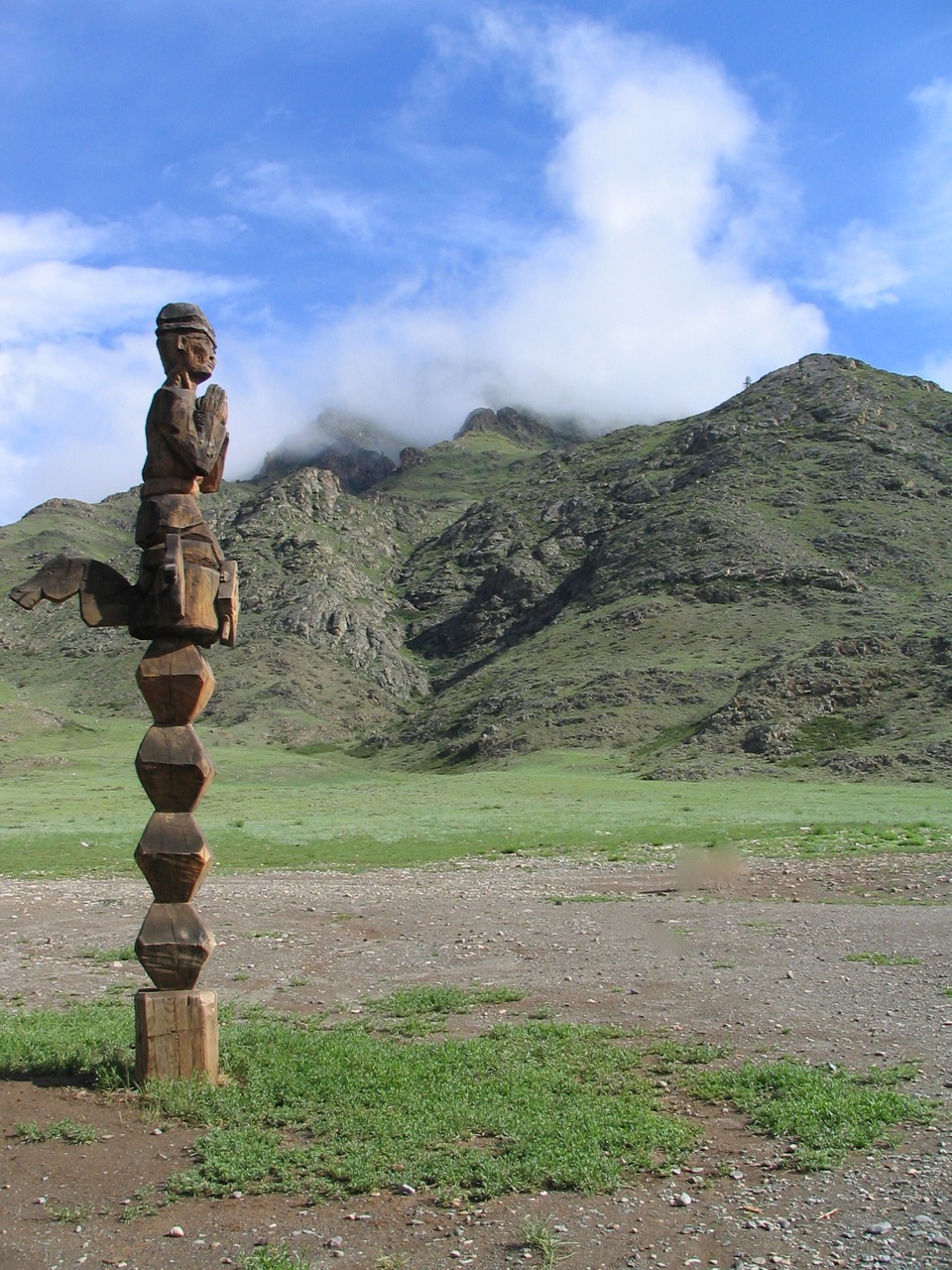
The Altai Peoples are Indigenous Turkic-speaking communities native to the Altai Republic in southern Siberia, Russia. Their name comes from the Altai Mountains, which hold deep cultural and spiritual significance. Traditionally semi-nomadic, the Altai have maintained a lifestyle centered around animal herding, hunting, and deep respect for the natural world. Their rich cultural heritage includes oral epics, throat singing (kai), shamanic practices, and animist spirituality, which have been passed down for generations as part of a deeply rooted cosmology that links people, land, and spirit.
The Altai Peoples face a range of challenges, particularly regarding cultural preservation and environmental threats. The expansion of mining and infrastructure development in the Altai region poses a serious risk to sacred landscapes, biodiversity, and traditional grazing routes. Additionally, assimilation policies and limited access to cultural education have contributed to the erosion of the Altai language and traditional practices. Climate change also threatens the delicate ecosystem of the Altai Mountains, disrupting the ways of life for herders and altering seasonal patterns critical to survival.
Despite these challenges, the Altai Peoples are actively engaged in revitalizing their culture and protecting their homelands. Local organizations and community leaders have spearheaded efforts to teach the Altai language, preserve oral histories, and pass on traditional ecological knowledge. Many Altai are also at the forefront of environmental activism, opposing harmful development projects and advocating for Indigenous land stewardship. Their enduring connection to the sacred Altai Mountains, combined with their cultural resilience, stands as a powerful testament to the strength and sustainability of Indigenous worldviews in the modern era.