The Aymara are an Indigenous nation rooted in the Andean highlands of Bolivia, Peru, and Chile, with ancestral ties stretching back thousands of years. Their language, also called Aymara, is still widely spoken, and their cultural practices reflect a harmonious relationship with Pachamama (Mother Earth). Renowned for agricultural ingenuity, Aymara communities cultivate resilient crops like quinoa and potatoes at extreme altitudes, continuing traditions passed down since pre-Incan civilizations.
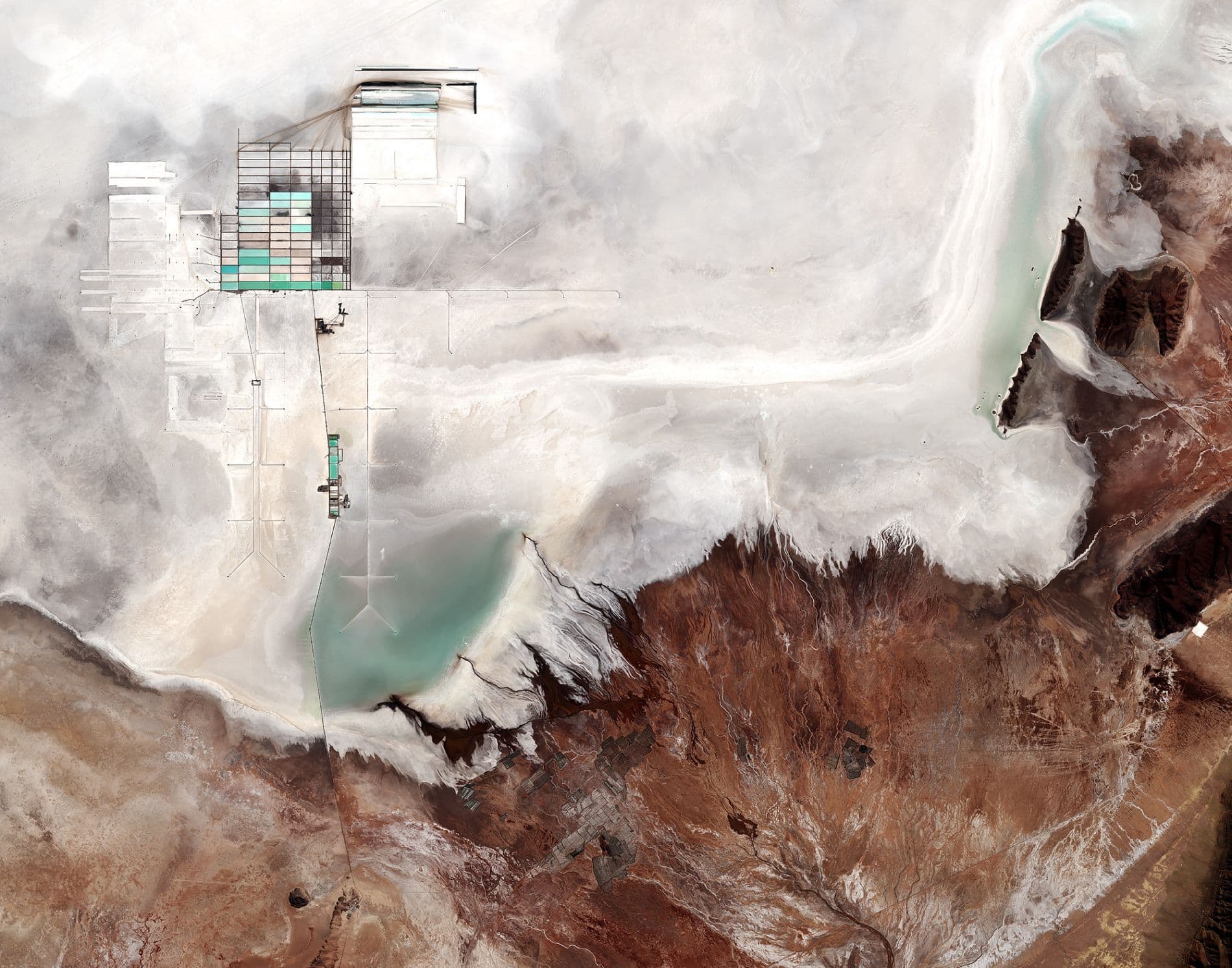
Despite constitutional recognition in Bolivia and regional visibility, the Aymara face ongoing challenges, including land rights disputes, environmental degradation, and marginalization within political and economic systems. Urban migration and climate change have disrupted traditional livelihoods, while assimilation pressures threaten language preservation and cultural continuity. Access to education and healthcare in rural areas remains limited, exacerbating cycles of poverty and disenfranchisement.
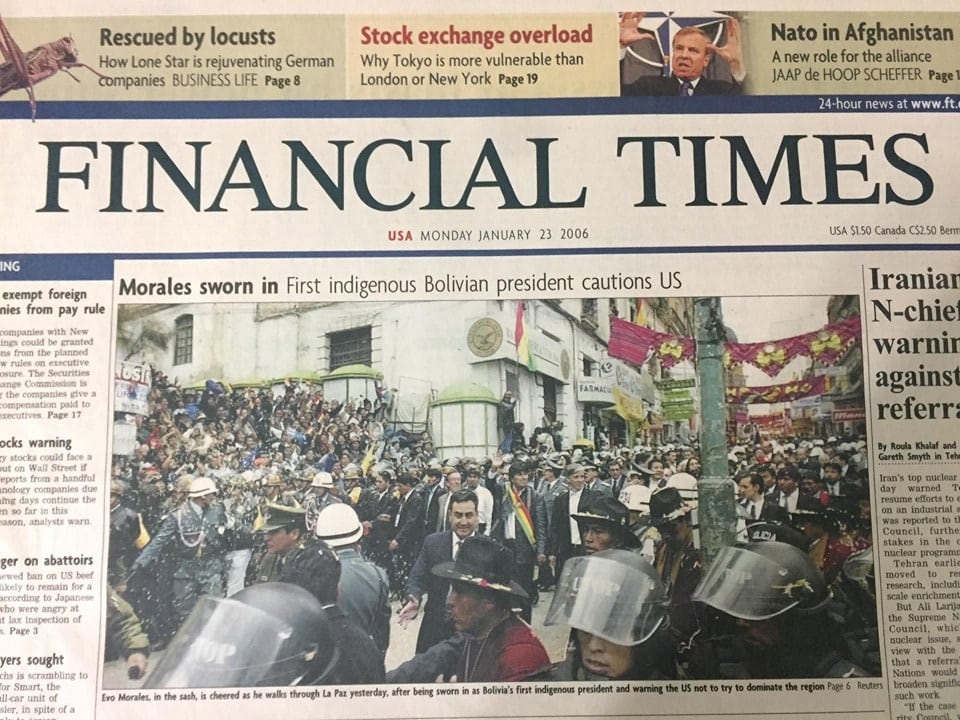
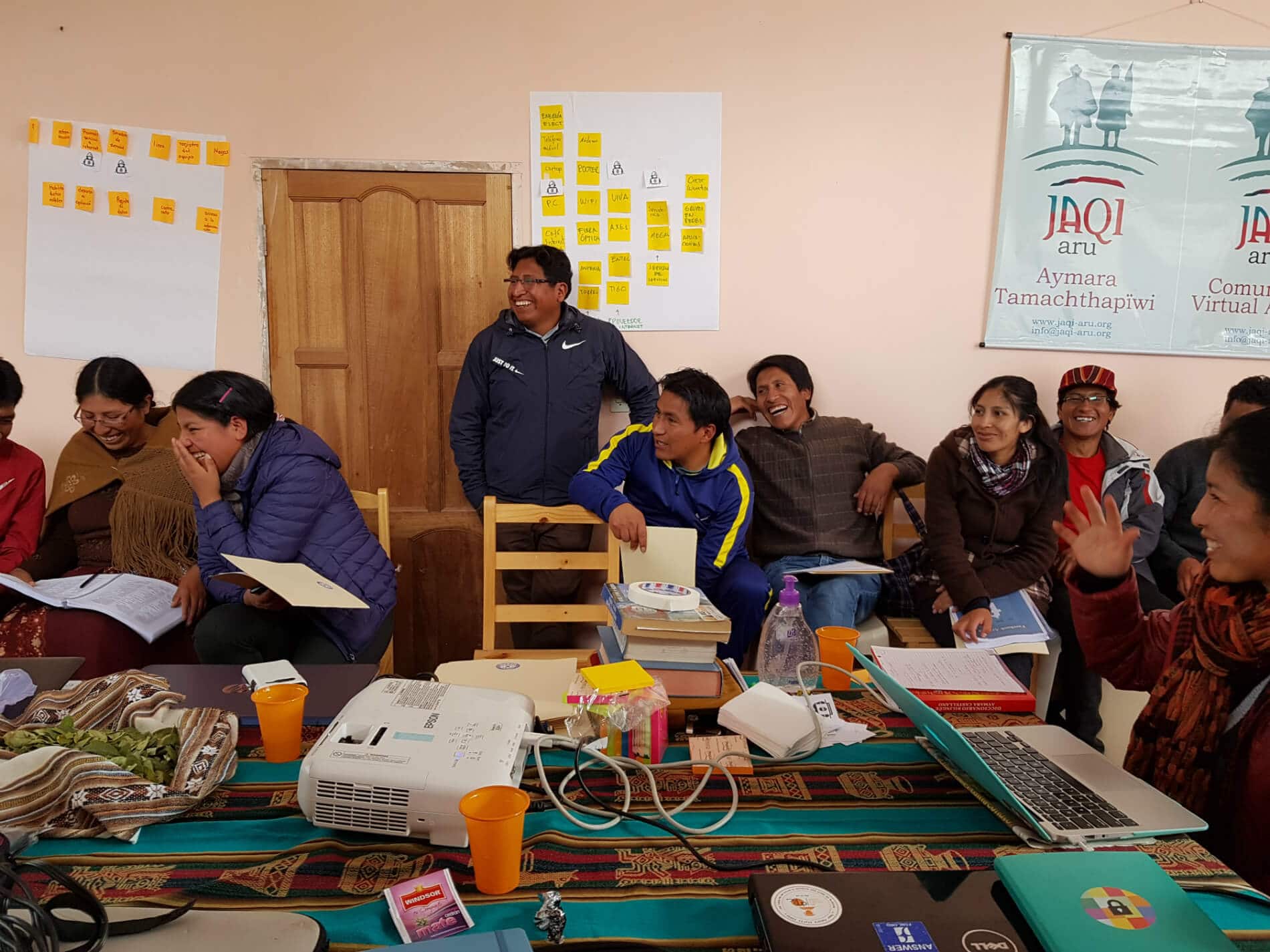
A powerful source of inspiration is the Aymara’s resurgence in national politics and identity. The election of Evo Morales—the first Indigenous president of Bolivia and an Aymara—was a historic milestone that uplifted Indigenous voices on a global stage. Across the Andes, Aymara-led initiatives continue to revitalize language, protect sacred landscapes, and assert sovereignty, embodying a vibrant legacy of resistance, resilience, and pride in heritage.