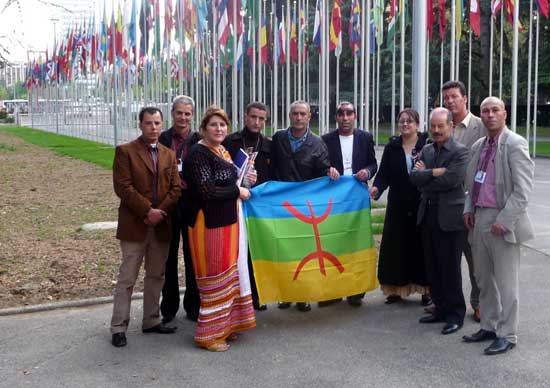
The Berbers, also known as the Amazigh, are the Indigenous peoples of North Africa, with a presence stretching across countries such as Morocco, Algeria, Tunisia, Libya, Mali, and Niger. Their history predates Arab and European influences, and they have maintained a distinct language and culture for millennia. The Amazigh people speak a variety of Berber languages, collectively known as Tamazight, and have historically been known for their tribal organization, nomadic traditions, and influence on regional art and architecture.
Despite their deep historical roots, the Berbers have faced long-standing marginalization under both colonial and post-colonial regimes. Governments in several North African countries historically suppressed the Amazigh language and cultural expression in favor of Arabization policies. Many Amazigh people continue to struggle for the official recognition of their language, identity, and political rights. Though there has been progress in some regions—such as Tamazight being recognized as an official language in Morocco—inequality and underrepresentation persist in governance, education, and economic development.
What is truly inspiring about the Berber people is their unwavering commitment to cultural revival and linguistic preservation. Across North Africa, Amazigh communities are reclaiming their heritage through education, literature, music, and activism. Annual festivals like the Yennayer (Amazigh New Year) and the use of the ancient Tifinagh script are symbols of a broader movement of resilience and empowerment. Their efforts have gained international attention, contributing to a growing global appreciation for Indigenous languages and cultural diversity.