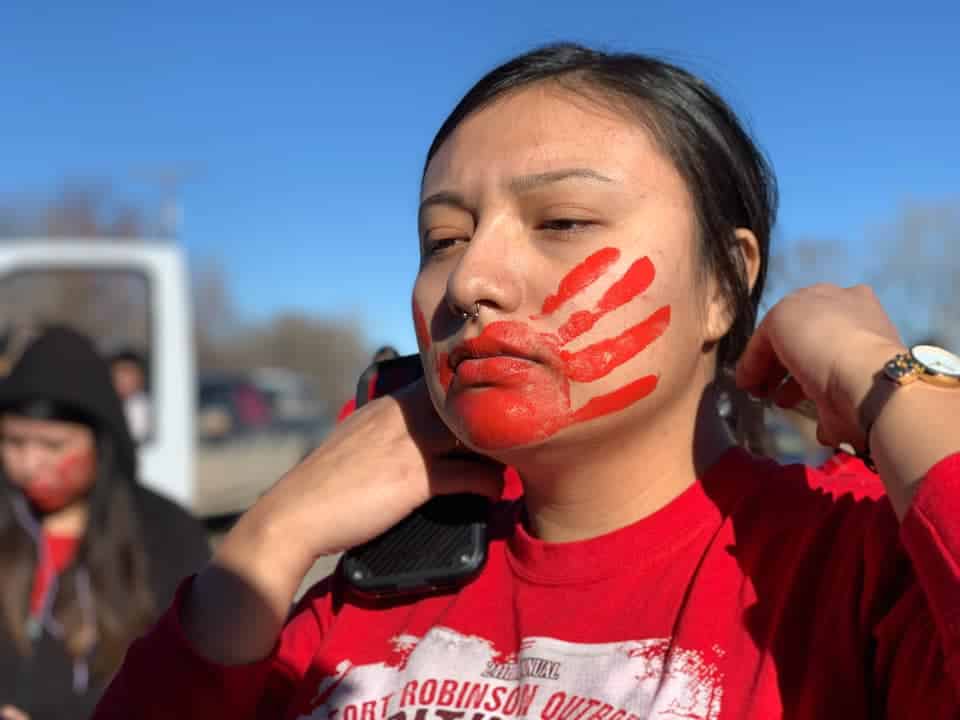
The Cheyenne Peoples are a Native American nation historically located across the Great Plains, particularly in present-day Montana, Wyoming, Colorado, and the Dakotas. Today, they are primarily divided into two federally recognized tribes: the Northern Cheyenne in Montana and the Southern Cheyenne (part of the Cheyenne and Arapaho Tribes) in Oklahoma. Known for their warrior societies, spiritual traditions, and rich oral histories, the Cheyenne have long been revered for their connection to the land and their roles in shaping resistance to colonial expansion during the 19th century.
The Cheyenne continue to face challenges rooted in a long legacy of colonization and forced relocation. The loss of traditional lands, historical trauma from massacres such as Sand Creek (1864), and disruption of cultural practices have deeply impacted Cheyenne communities. Modern struggles include systemic poverty, health disparities, limited access to quality education, and preservation of the Cheyenne language. Environmental threats to sacred sites and tribal lands also pose ongoing challenges, particularly regarding energy development and climate change.
In the face of adversity, the Cheyenne have shown extraordinary cultural resilience and leadership. There are revitalization efforts focused on language preservation through immersion schools, cultural programs, and intergenerational storytelling. The tribe has produced powerful leaders and activists working to secure land rights, enhance healthcare systems, and support Native youth through education and cultural pride. The Cheyenne story is one of perseverance—holding firm to their identity while shaping a stronger, self-determined future.