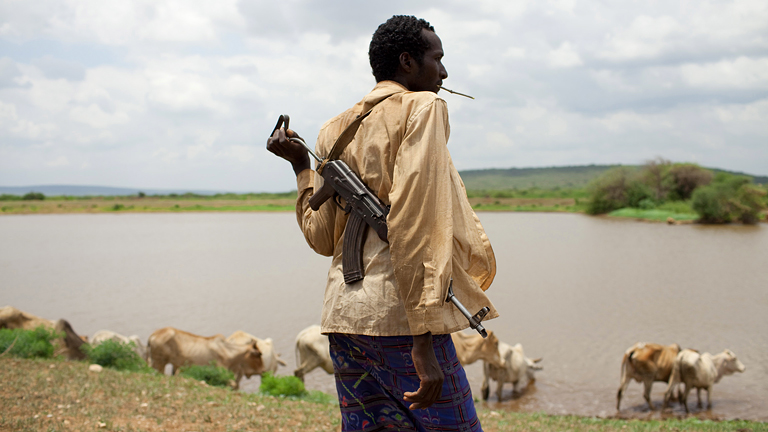
The Dassanech Indigenous Peoples are a Nilotic ethnic group residing in the southernmost region of Ethiopia, along the banks of the Omo River near the Kenyan border. Known for their semi-nomadic lifestyle, the Dassanech depend heavily on cattle herding, fishing, and small-scale agriculture to sustain their communities. Their name translates to “People of the Delta,” a tribute to their historical ties to the riverine environment of the Omo Delta. Their society is organized into clans with unique cultural practices, including elaborate adornments and ceremonies that mark social and spiritual milestones.
The Dassanech people face significant challenges related to climate change, land rights, and government-led development projects. Increasing droughts and the erratic flooding of the Omo River—exacerbated by the construction of large dams—have disrupted traditional farming and fishing patterns. As fertile lands shrink and grazing areas disappear, inter-ethnic conflicts over resources have intensified. Moreover, the Dassanech often struggle for recognition and legal protections within national land and resource policies, leaving their way of life vulnerable to external pressures and forced displacement.
Despite these hardships, the Dassanech people continue to demonstrate inspiring resilience and adaptability. Community-led initiatives to preserve their language, songs, and oral history are helping younger generations stay rooted in their identity. Some Dassanech youth are engaging in educational programs and cross-cultural dialogues to advocate for their rights and sustainable development. Their ability to adapt while maintaining their cultural heritage shows the strength of Indigenous knowledge systems and the vital role they play in protecting biodiversity and human dignity in one of Africa’s most ecologically and politically complex regions.