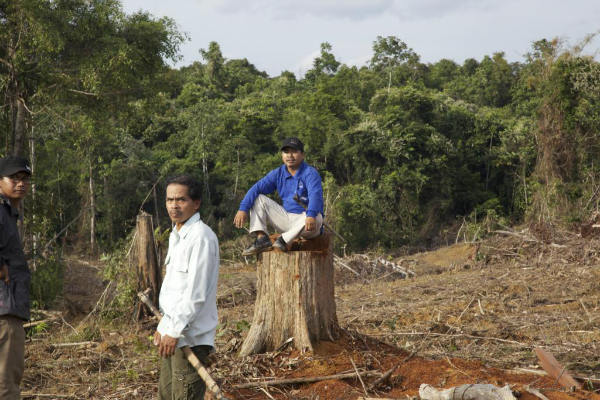
The Dayak Indigenous Peoples are a diverse group of over 200 sub-ethnic communities native to the island of Borneo, primarily residing in the Indonesian regions of Kalimantan, as well as parts of Malaysia and Brunei. Traditionally animist, many Dayak communities practice Christianity or Islam today, yet still maintain strong spiritual and cultural ties to the land. Their societies are renowned for longhouse dwellings, intricate tattoos, traditional dances, and a deep reverence for nature, which is embedded in their cosmology and everyday life. The Dayak have long been stewards of the rainforest, practicing sustainable agriculture, hunting, and fishing for generations.
The Dayak people face persistent threats from deforestation, mining, palm oil plantations, and land dispossession. Logging and large-scale development projects have decimated vast swathes of Borneo’s rainforest, leading to the displacement of Dayak communities and the loss of biodiversity. Legal battles over ancestral lands are common, as Dayak customary land rights are often not formally recognized by state authorities. These environmental and legal pressures contribute to the erosion of cultural practices, languages, and traditional ecological knowledge that are deeply tied to the land.
In the face of these challenges, the Dayak people have become powerful symbols of Indigenous resilience and environmental activism. They have formed alliances with NGOs and other Indigenous groups to reclaim land rights, protest destructive projects, and promote forest conservation. Dayak youth are revitalizing traditional crafts, storytelling, and rituals, blending them with digital media to educate and empower new generations. Their continued efforts to protect their forests and heritage underscore the global importance of Indigenous leadership in climate and ecological justice.