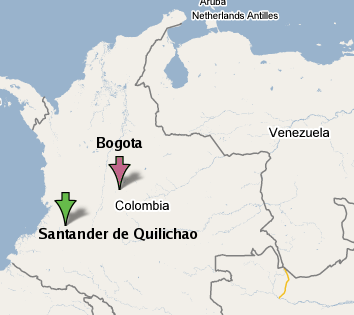
The Guambian peoples, also known as the Misak, are an Indigenous group residing primarily in the department of Cauca in the Andean region of Colombia. Known for their strong cultural identity, the Misak maintain deep-rooted traditions in agriculture, spirituality, and communal governance. Their language, Nam Trik, and colorful traditional clothing—particularly the distinctive round hats and blue ponchos—are visible expressions of their ancestral heritage and resistance to assimilation.
The Guambian/Misak people have long faced challenges due to land dispossession, armed conflict, and state neglect. Encroachment by agribusiness, mining operations, and illicit crop cultivation has disrupted their traditional territories. Additionally, the region has been affected by Colombia’s internal armed conflict, placing the Misak at risk of violence and forced displacement. Their fight for territorial recognition, self-determination, and environmental protection continues amid threats and systemic marginalization.
What’s truly inspiring about the Guambian peoples is their bold commitment to justice and cultural resilience. In recent years, Misak youth and elders have led peaceful demonstrations, reclaimed ancestral lands, and even held symbolic trials of historical colonial figures as acts of decolonization. Their emphasis on education in their own language and worldview has empowered a new generation to defend Indigenous rights and traditional knowledge. The Guambian peoples are not just preserving their identity—they are redefining what it means to be sovereign in the face of adversity.