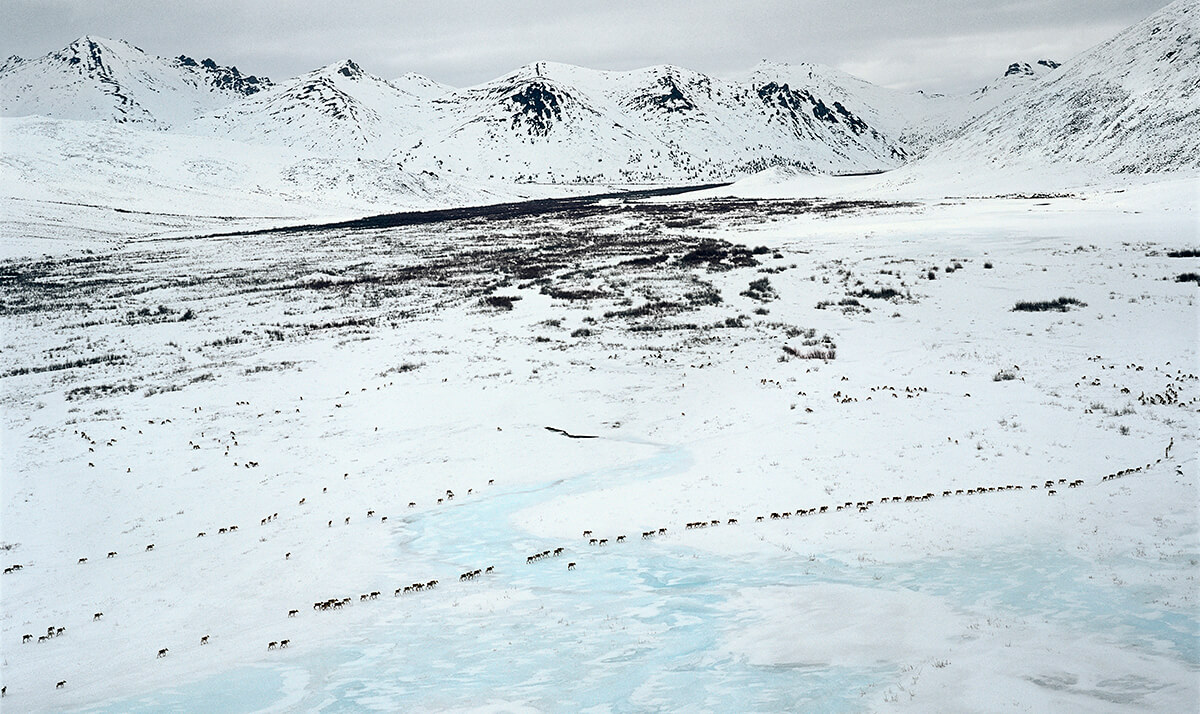
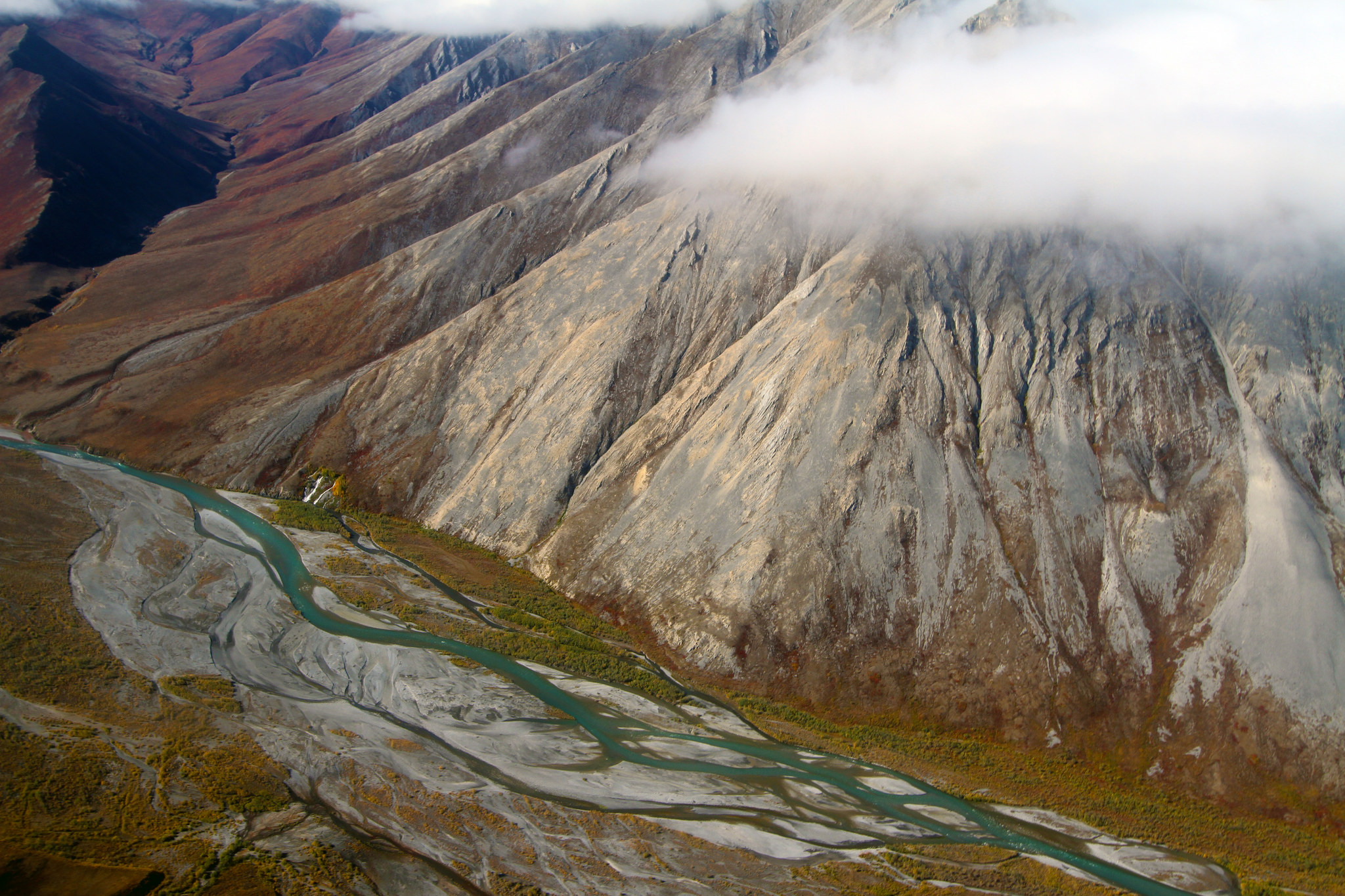
The Gwich’in peoples are Indigenous to the northwestern parts of Canada and northeastern Alaska, with communities stretching across the Yukon, Northwest Territories, and parts of Alaska. Known as the “Caribou People,” the Gwich’in have a deep cultural, spiritual, and subsistence-based relationship with the Porcupine caribou herd, which migrates across their traditional territories. Their language, Gwich’in, is part of the Athabaskan language family and remains a vital part of their identity and cultural preservation efforts.
The Gwich’in face ongoing threats from resource extraction and climate change, particularly oil and gas drilling in the Arctic National Wildlife Refuge (ANWR), which overlaps with critical caribou calving grounds. These activities threaten not only the ecosystem but also the Gwich’in way of life. Additionally, they grapple with systemic challenges such as lack of healthcare access, housing insecurity, and limited educational opportunities, all of which are exacerbated by their geographic isolation and underrepresentation in national policy-making.
Despite these challenges, the Gwich’in have emerged as international leaders in environmental and Indigenous rights advocacy. They have taken their fight to the global stage, speaking at United Nations forums and working with allies to protect the Arctic Refuge. Their unwavering defense of their land and the Porcupine caribou herd is a powerful example of Indigenous-led conservation. Through grassroots activism, youth engagement, and cultural revitalization efforts, the Gwich’in demonstrate how traditional knowledge and modern advocacy can unite to protect both heritage and the planet.