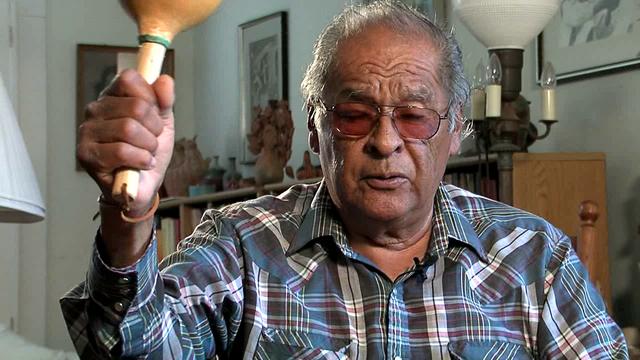
The Hualapai Peoples, whose name means “People of the Tall Pines,” are a Native American tribe primarily residing in northwestern Arizona. Their traditional territory spans nearly one million acres, including parts of the Grand Canyon and the Colorado River. Today, the Hualapai Reservation, established in 1883, is home to around 1,500 tribal members, with Peach Springs serving as the tribal capital. Known for their rich oral traditions, cultural dances, and deep connection to the land, the Hualapai have long maintained a spiritual and practical relationship with the natural environment.
The Hualapai face multiple challenges, including limited economic opportunities, threats to their land rights, and water insecurity. Much of their remote reservation has limited infrastructure and access to essential services, which compounds issues like unemployment and educational inequality. In addition, the tribe has been involved in legal battles to secure water rights from the Colorado River, which are vital for sustaining their lands and way of life. Tourism, especially via the Hualapai-owned Grand Canyon Skywalk, has brought income—but also concerns about environmental and cultural impacts.
What’s inspiring about the Hualapai is their innovative approach to economic self-determination and cultural preservation. Through initiatives like the Grand Canyon West tourism enterprise, the tribe has created jobs while retaining control over how their sacred lands are shared with the world. They continue to invest in language revitalization, youth leadership programs, and land stewardship, all while asserting sovereignty in regional and federal negotiations. The Hualapai’s blend of tradition and innovation showcases how Indigenous communities can lead sustainable and culturally grounded development.