The Iban Peoples are one of the largest Indigenous groups in Malaysia, predominantly found in the state of Sarawak on the island of Borneo, as well as parts of Indonesia and Brunei. Traditionally known as fierce warriors and once labeled as “headhunters” during the colonial era, the Iban are now celebrated for their rich cultural heritage, including intricate weaving, oral poetry called pantun, and communal longhouse living. Their deep connection to the rainforest shapes their identity, sustains their livelihood, and governs their spiritual beliefs and traditional ecological knowledge.
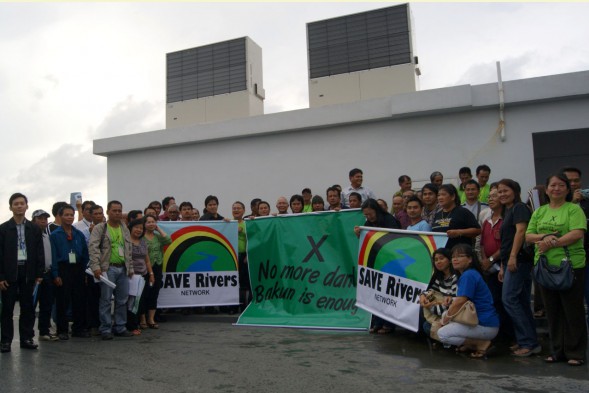
The Iban face significant challenges, particularly from deforestation, land dispossession, and loss of cultural autonomy. Commercial logging, palm oil plantations, and hydroelectric dam projects have encroached upon ancestral lands, disrupting ecosystems and displacing communities. Additionally, government policies that promote assimilation and modernization have contributed to a decline in the use of the Iban language and traditional practices, especially among the youth. These pressures threaten not only their way of life but also the biodiversity of the forests they have stewarded for generations.
Despite these challenges, the Iban have become leading voices in the fight for Indigenous land rights and cultural revitalization. Grassroots movements and legal battles have seen some success in defending ancestral territories. Iban activists, educators, and elders are working to preserve their language, revive traditional arts, and teach younger generations about their heritage. Their resilience in standing up against powerful industries and protecting their environment serves as an inspiring example of Indigenous resistance and cultural pride.