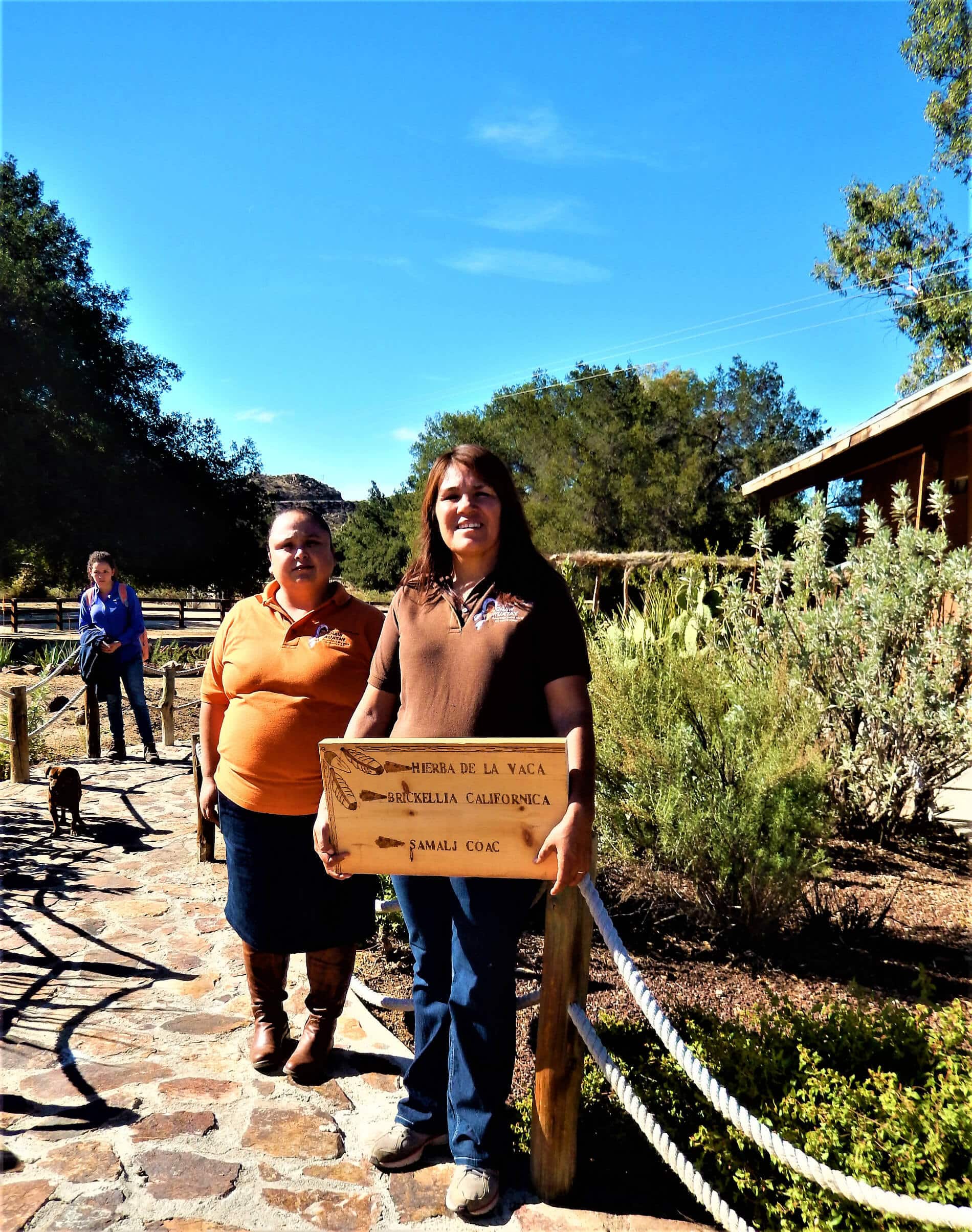
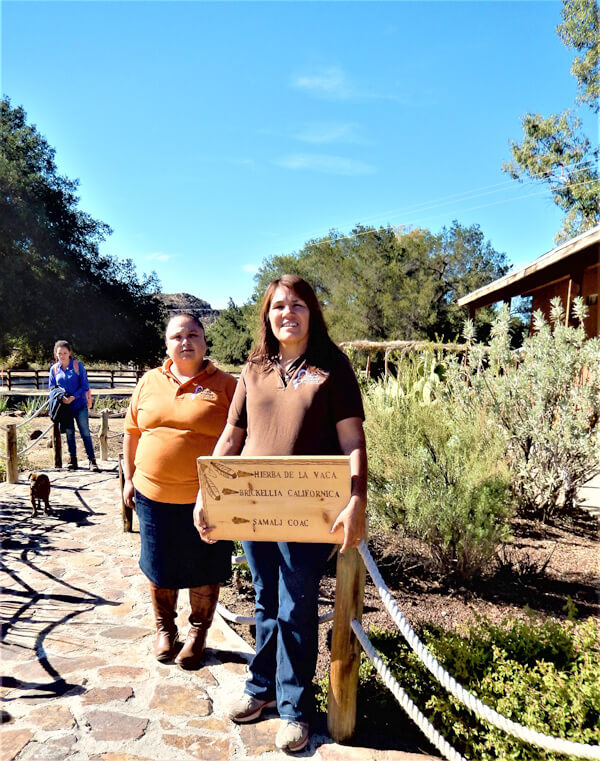
The Kumiai are an Indigenous nation whose ancestral territories span northern Baja California, Mexico, and extend into southern California, USA. Their traditional lifestyle is deeply connected to the region’s diverse ecosystems, encompassing coastal plains, mountains, and deserts. The Kumiai have preserved rich oral traditions, ecological knowledge, and cultural practices that reflect a profound relationship with their environment. Their language, part of the Yuman linguistic family, embodies their unique worldview and heritage.
The Kumiai face significant challenges, including environmental degradation due to industrial activities and land dispossession. Water scarcity has been exacerbated by the diversion of water sources for commercial use, impacting traditional agriculture and daily life. In 2020, Kumiai activist Óscar Eyraud Adams was tragically killed while advocating for water rights in Tecate, highlighting the dangers faced by Indigenous defenders [source]. Additionally, the Kumiai language is critically endangered, with few fluent speakers remaining, as younger generations often adopt Spanish due to societal pressures and limited access to language education [source].
In response to these challenges, the Kumiai have initiated efforts to revitalize their language and cultural practices. Community members in San José de la Zorra are working to teach the Kumiai language to younger generations, recognizing the importance of intergenerational transmission for cultural preservation [source]. These initiatives include incorporating traditional stories, songs, and customs into educational programs, fostering a renewed sense of identity and resilience. Through these efforts, the Kumiai demonstrate a steadfast commitment to preserving their heritage and asserting their rights in the face of adversity.