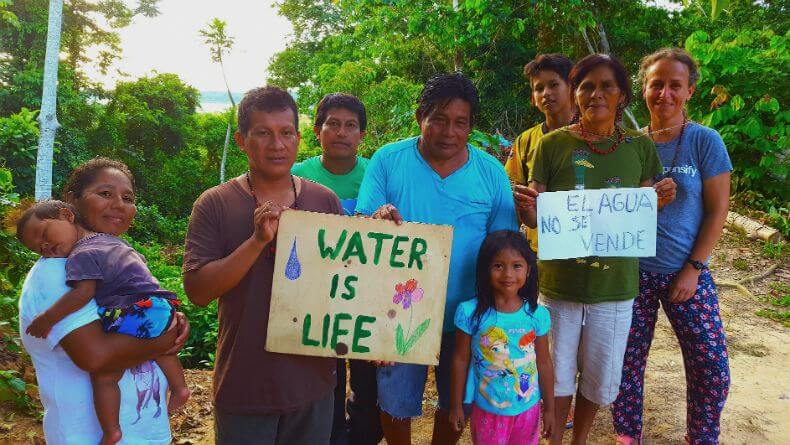
The Machiguenga, also known as Matsigenka, are an Indigenous nation residing in the tropical rainforests of southeastern Peru, particularly within the Manu and Urubamba River basins. Traditionally semi-nomadic horticulturalists and skilled forest stewards, the Machiguenga have long depended on hunting, fishing, and swidden agriculture. Their language, part of the Arawakan family, is central to the transmission of ecological knowledge and cosmology. Many Machiguenga live within or near the Manu National Park, one of the most biodiverse regions on Earth, which they have helped protect for generations.
Despite their environmental stewardship, the Machiguenga face severe threats from extractive industries and external interference. Oil exploration, logging, and road construction have disrupted ecosystems and exposed remote communities to pollution and disease. In some regions, resource exploitation has led to forced displacement and violent conflict. Additionally, missionary efforts and assimilationist policies have challenged traditional lifeways, leading to erosion of language, spiritual practices, and autonomy. Legal recognition of land rights remains inconsistent and contested.
In the face of these pressures, the Machiguenga have become powerful defenders of their rainforest territories. Community-led conservation efforts, such as collaborations with scientists in Manu National Park, showcase the value of Indigenous ecological knowledge. Through participatory mapping, education initiatives, and legal advocacy, the Machiguenga are asserting sovereignty while revitalizing culture and language. Their ongoing efforts to live sustainably and resist exploitation have become a global example of Indigenous environmental leadership and resilience in the Amazon.