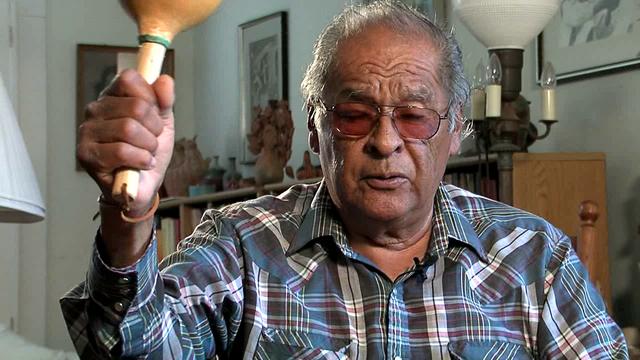
The Maricopa, also known as Piipaash, are an Indigenous nation whose ancestral lands stretch along the Gila and Salt Rivers in what is now Arizona. Historically known for their expertise in agriculture, the Maricopa cultivated the desert using advanced irrigation techniques long before colonization. Their social systems, ceremonial life, and oral traditions reflect a deep connection to the land and water, forming the foundation of their cultural identity. Today, they reside primarily within the Gila River Indian Community and the Salt River Pima-Maricopa Indian Community, where traditional knowledge and customs continue to thrive.
The Maricopa have faced profound challenges since the onset of colonization, particularly through land displacement and the disruption of water access due to settler expansion and federal dam projects. These changes undermined their ability to farm and maintain traditional livelihoods. Additionally, forced assimilation policies and boarding schools aimed to erase language and cultural practices, leading to generational trauma. Modern economic and health disparities, along with environmental degradation, continue to impact their ability to achieve self-sufficiency and cultural revitalization.
In the face of adversity, the Maricopa have undertaken powerful efforts to reclaim their heritage and assert their sovereignty. Language revitalization programs, including the teaching of Piipaash in schools and through cultural programs, are strengthening intergenerational ties. Investments in community-led economic development, environmental protection, and cultural preservation are revitalizing pride and agency. Through art, governance, and education, the Maricopa continue to inspire a powerful narrative of survival, adaptability, and cultural endurance in the American Southwest.