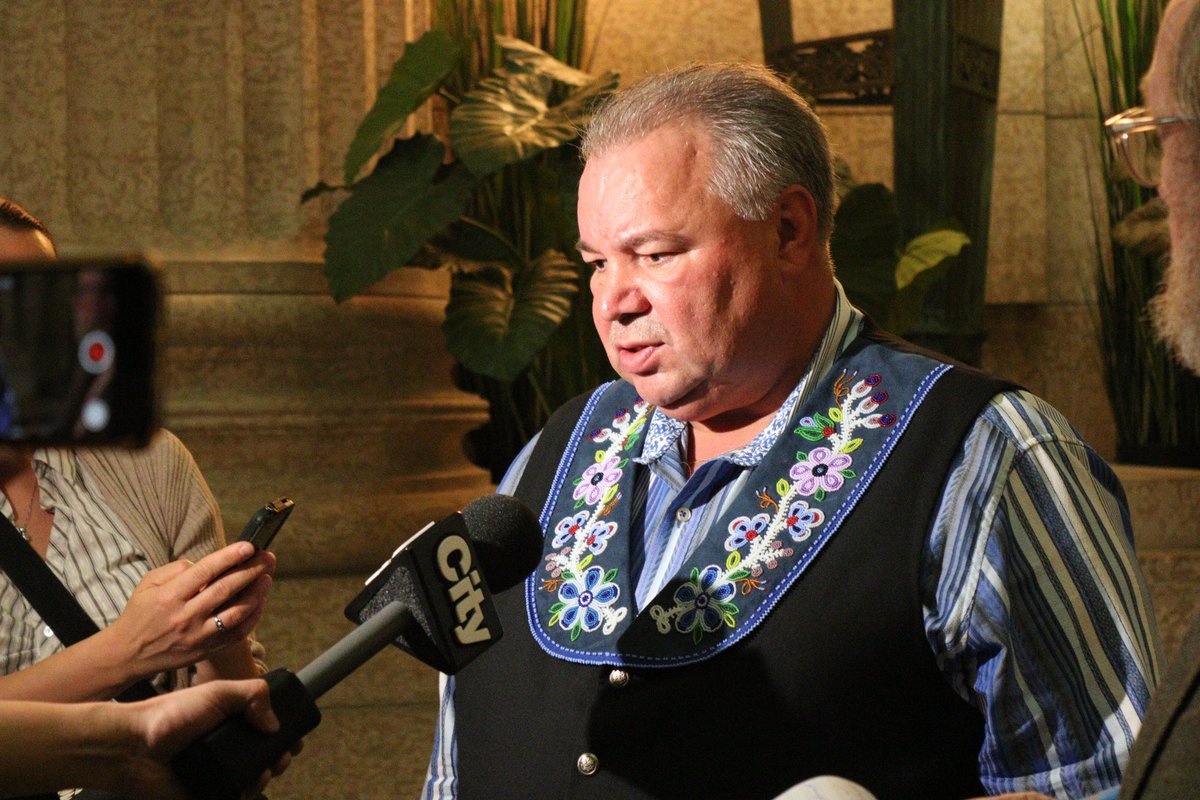
The Metis Nation emerged in the 18th and 19th centuries through the intermarriage of First Nations women and European fur traders, particularly in what is now Canada. This heritage gave rise to a unique culture with its own language (Michif), traditions, and political structures. The Metis are recognized as one of the three distinct Indigenous nations in Canada, and their communities span the Prairie provinces, parts of Ontario and British Columbia, and the northern United States.
Throughout history, the Metis have faced systemic erasure, land dispossession, and exclusion from many treaties and legal frameworks afforded to other Indigenous nations. The Red River Resistance of 1869–70 and the North-West Resistance of 1885, led by Louis Riel, were pivotal uprisings against colonial encroachment, but also led to intensified marginalization. Despite formal recognition in Canada’s Constitution, Metis communities continue to face barriers to full land rights, political inclusion, and access to culturally appropriate services.
Inspiringly, the Metis Nation is experiencing a cultural resurgence, with growing efforts to revitalize Michif, reclaim traditional land-use practices, and expand self-governance. Community-driven educational programs, artistic expression, and land stewardship initiatives reflect a deep commitment to preserving Metis heritage for future generations. Their story stands as a testament to resistance, adaptation, and the ongoing struggle for justice and recognition in a colonial state.