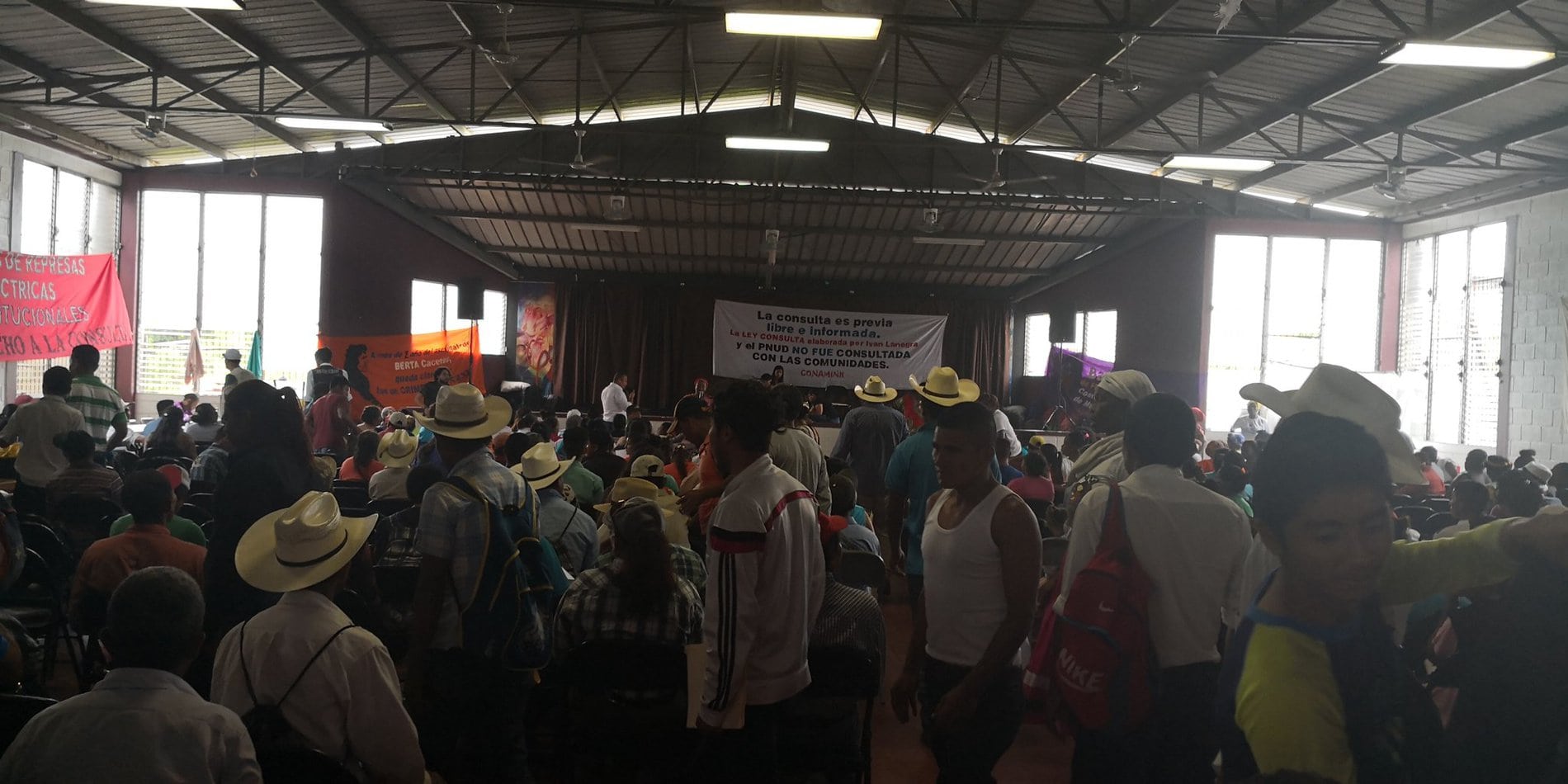
The Miskitu are an Indigenous nation residing primarily along the Caribbean coasts of Nicaragua and Honduras. With a rich cultural heritage that blends Indigenous, African, and European influences, they have long maintained a distinct linguistic and spiritual identity. Their territories, which include rainforests, rivers, and coastal ecosystems, are vital not only to their subsistence and cultural practices but also to the broader environmental health of the region.
Despite legal recognition of territorial rights, the Miskitu face ongoing encroachment from settlers, illegal loggers, and narcotrafficking operations. Violent land invasions and deforestation threaten both their sovereignty and way of life. Additionally, historical marginalization by central governments has resulted in poor access to healthcare, education, and economic infrastructure, further compounding cycles of poverty and displacement in many Miskitu communities.
What stands out about the Miskitu is their determined revival of cultural and political autonomy. Grassroots movements have emerged to preserve the Miskitu language and traditional knowledge, while leaders have taken their land claims to international human rights forums. Their ability to resist colonization, maintain self-governance structures, and push for intercultural education demonstrates a profound resilience shaped by centuries of struggle and adaptation.