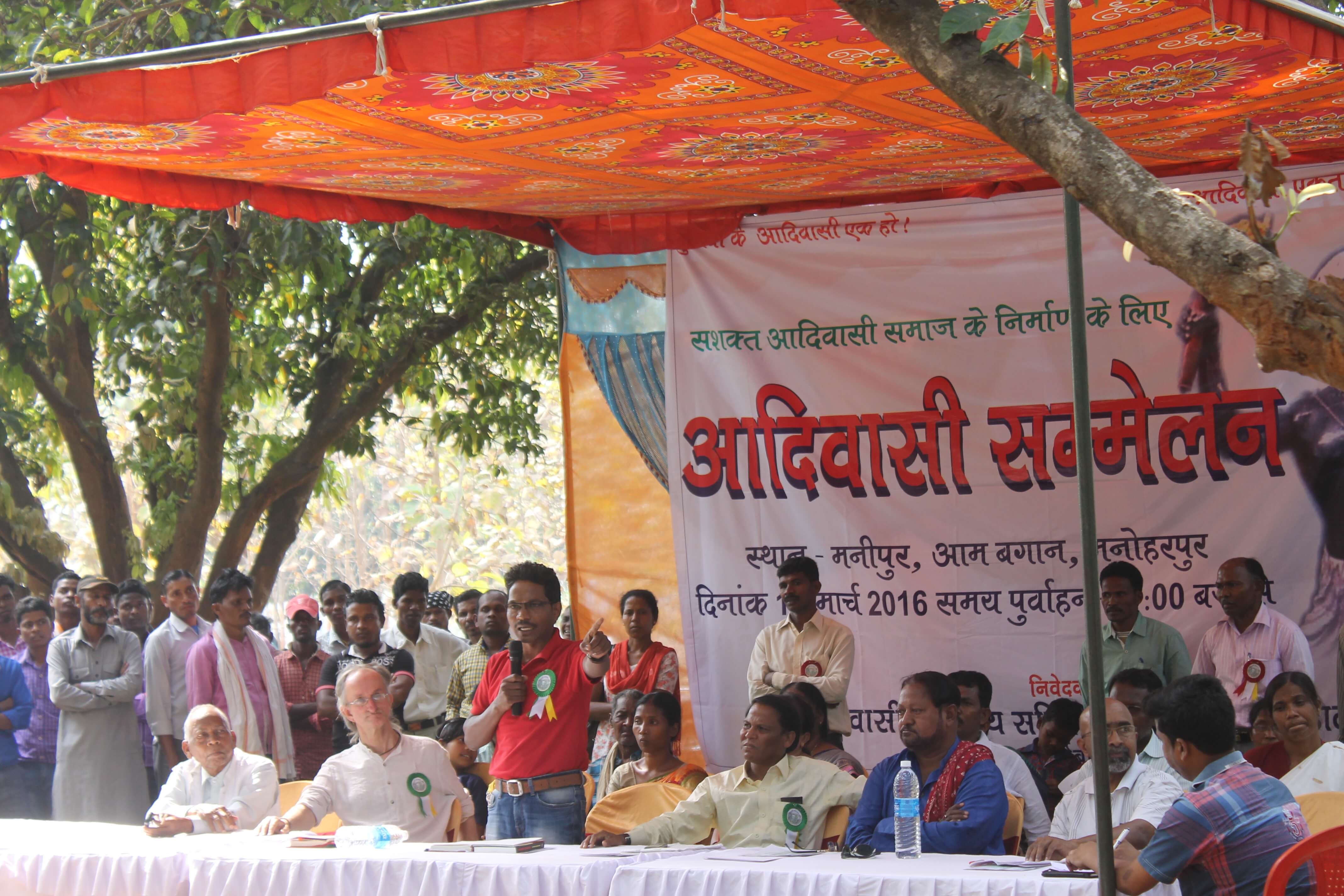
The Munda are one of the oldest Indigenous communities in the Indian subcontinent, with linguistic and cultural roots tracing back thousands of years. Primarily residing in the eastern and central regions of India—particularly in Jharkhand, Odisha, Chhattisgarh, and West Bengal—the Munda speak a language from the Austroasiatic family, distinct from the Indo-Aryan and Dravidian languages surrounding them. Their history is embedded in the land they inhabit, marked by traditional agricultural practices, sacred forest rituals, and a deep reverence for nature. This continuity of culture offers invaluable insights into the subcontinent’s prehistoric past, making the Munda essential to understanding South Asia’s ancestral heritage.
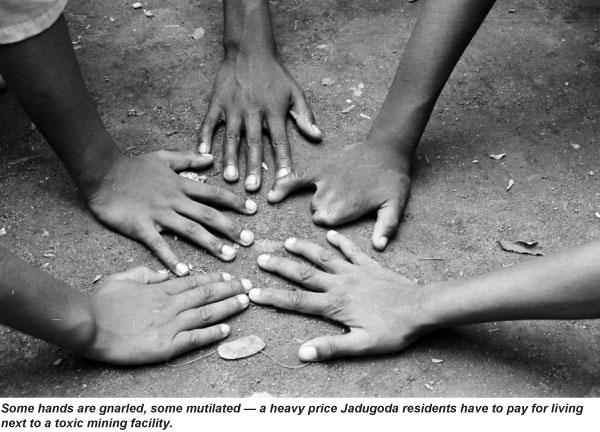
Despite their historical significance, the Munda face systemic challenges in modern India, including land dispossession, economic marginalization, and inadequate access to education and healthcare. Industrial projects, mining operations, and deforestation have displaced many from ancestral lands, disrupting their traditional way of life. Bureaucratic hurdles and inconsistent implementation of legal protections further complicate their fight for land rights and cultural recognition. These challenges are compounded by societal exclusion and limited political representation, making it difficult for the Munda to assert autonomy and preserve their heritage in a rapidly changing socio-economic landscape.
In the face of adversity, the Munda continue to embody resilience through cultural preservation and community-led advocacy. Grassroots efforts to revive traditional knowledge systems, protect sacred groves, and promote Indigenous education are gaining momentum. Artists, educators, and local leaders within Munda communities are amplifying their voices through literature, music, and digital platforms, creating a renewed sense of pride and purpose. This cultural resurgence not only strengthens internal unity but also invites wider recognition of the Munda’s enduring contributions to ecological wisdom, social harmony, and linguistic diversity.