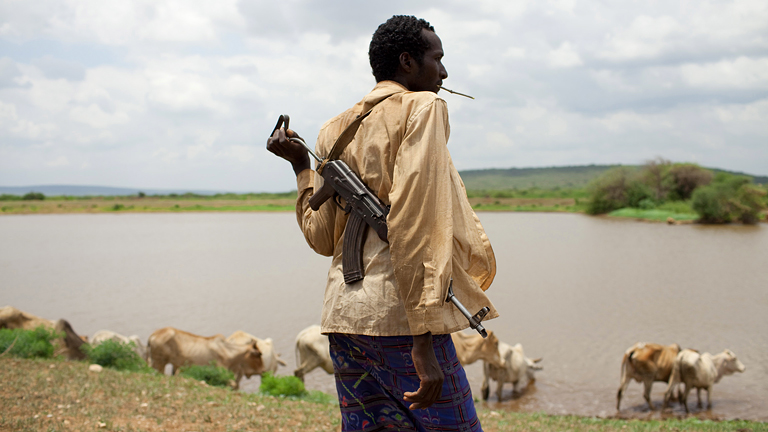
The Mursi are an Indigenous nation inhabiting the remote southwestern region of Ethiopia, within the boundaries of the Omo Valley. Known for their striking cultural expressions—such as lip plates worn by women and elaborate body adornment—the Mursi maintain a rich pastoralist tradition centered around cattle herding and seasonal mobility. Their language belongs to the Surmic branch of the Nilo-Saharan family, and their way of life is intricately tied to the rhythms of nature, particularly the Omo River, which sustains both their economy and spiritual practices.
In recent decades, the Mursi have come under intense pressure from state-led development projects, including the construction of the Gibe III dam and large-scale agricultural plantations. These initiatives have drastically reduced the flow of the Omo River, disrupting flood-based farming and triggering food insecurity. Additionally, tourism and forced resettlement programs have eroded traditional authority structures and subjected the Mursi to exploitation, surveillance, and loss of autonomy. Access to basic services like education and healthcare remains limited, deepening cycles of marginalization.
Despite the hardships, the Mursi continue to embody strength and self-determination through cultural resilience and advocacy. Community elders have taken an active role in educating younger generations about ancestral customs and oral history, ensuring continuity across generations. There is also a growing effort among Mursi intellectuals and allies to document their language and traditions through film, photography, and academic research. These acts of preservation not only assert the Mursi’s right to self-representation but also challenge the narrative that modernization must come at the expense of Indigenous identity.