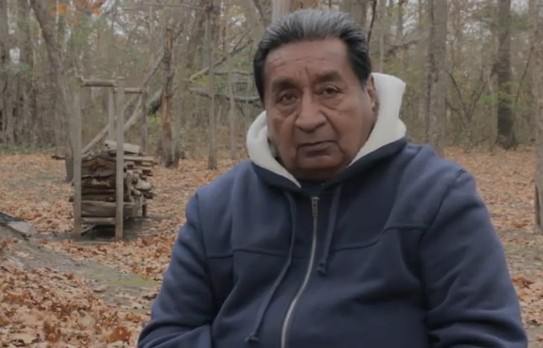
The Muscogee, also known as the Muscogee (Creek) Nation, are an Indigenous nation originally rooted in the Southeastern United States, primarily in present-day Georgia, Alabama, Florida, and South Carolina. With a complex confederacy of towns, matrilineal clans, and a sophisticated governance system, the Muscogee have long upheld a distinct cultural and political identity. Their removal during the 1830s Trail of Tears forcibly relocated many to Indian Territory, now Oklahoma, but their deep spiritual ties to the homelands and the natural world continue to inform their culture, ceremonies, and language.
The Muscogee face ongoing challenges related to land sovereignty, environmental threats, and cultural revitalization. While the 2020 U.S. Supreme Court ruling reaffirmed their jurisdiction over much of eastern Oklahoma, implementing legal recognition remains complex and politically contested. Language loss and intergenerational trauma from boarding schools and assimilation policies also persist. Meanwhile, threats to sacred sites in their original homelands—particularly in Georgia and Alabama—highlight the difficulties of protecting heritage across state lines and centuries of displacement.
What sets the Muscogee apart is their powerful resurgence through law, language, and leadership. The Nation has taken bold steps to revive the Mvskoke language through immersion schools and media initiatives, including Native-run radio and news platforms. Muscogee leaders are also reasserting legal authority in criminal and civil matters, reshaping the relationship between Indigenous sovereignty and federal law. Their story is one of continuity, not loss—a living example of how an Indigenous nation can lead with cultural intelligence, resilience, and vision for the future.