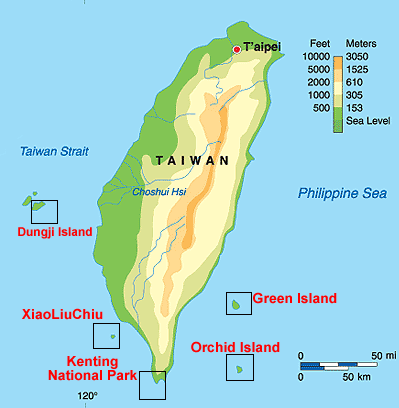
The Paiwan are one of the Indigenous nations of Taiwan, traditionally residing in the southern mountainous regions and coastal plains. Known for their hierarchical social structures, intricate facial tattoos, and symbolic art, the Paiwan maintain a legacy rooted in respect for nature and ancestral spirits. Lineage, particularly among chieftains and noble families, plays a central role in community governance and cultural ceremonies. Their oral histories, carved woodwork, and ceremonial rituals reflect a deep spiritual connection to land, lineage, and cosmos.
Over centuries, the Paiwan have endured successive waves of colonization—first by Dutch and Chinese settlers, then under Japanese rule, and later by the postwar national government. These regimes imposed land dispossession, language suppression, and assimilation policies that fractured traditional governance and disrupted cultural transmission. Today, many Paiwan communities face economic marginalization, limited access to healthcare and education, and ongoing legal struggles for recognition of ancestral land rights amid Taiwan’s modern development pressures.
Inspiring movements have emerged among the Paiwan to reclaim language, spirituality, and political agency. Artists and cultural leaders are reviving traditional tattooing, weaving, and ceremonial songs, while Paiwan youth are leading language revitalization and digital storytelling projects. Some have taken seats in political office, using legislative platforms to advocate for Indigenous autonomy and land restitution. Through resilience, cultural pride, and creative resistance, the Paiwan continue to shape a future where ancestral knowledge and contemporary self-determination move hand in hand.