The Papuan nations, spanning both the sovereign state of Papua New Guinea and the contested region of West Papua (under Indonesian control), represent one of the most culturally and linguistically diverse populations on Earth. Across highland forests, river systems, and coastal regions, Indigenous communities maintain deep relationships with land, spirit, and kinship. With over 800 languages spoken, Papuan lifeways reflect ecological precision, ceremonial complexity, and millennia of autonomous governance. Their lands hold some of the planet’s richest biodiversity, sustained through traditional knowledge systems honed over generations.
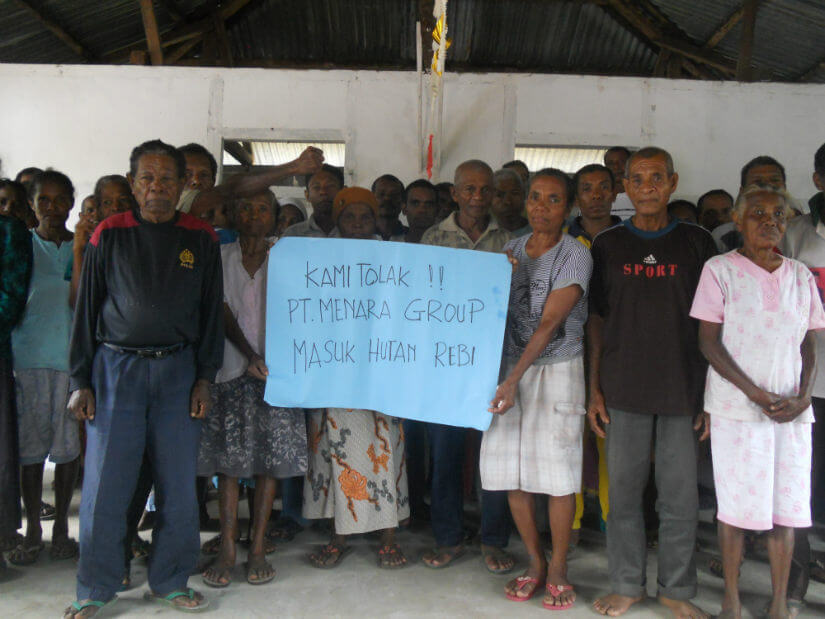
In West Papua, Indigenous nations face severe repression under Indonesian rule. Following a controversial transfer of control in the 1960s, the region has endured decades of militarization, surveillance, and state-sponsored violence. Indigenous voices demanding independence or even basic human rights are often met with arrests, disappearances, and military retaliation. Massive extractive projects—especially gold and copper mining—have devastated sacred lands and poisoned rivers. Education, healthcare, and political representation remain limited, while access for journalists and international observers is tightly restricted, further concealing ongoing abuses.
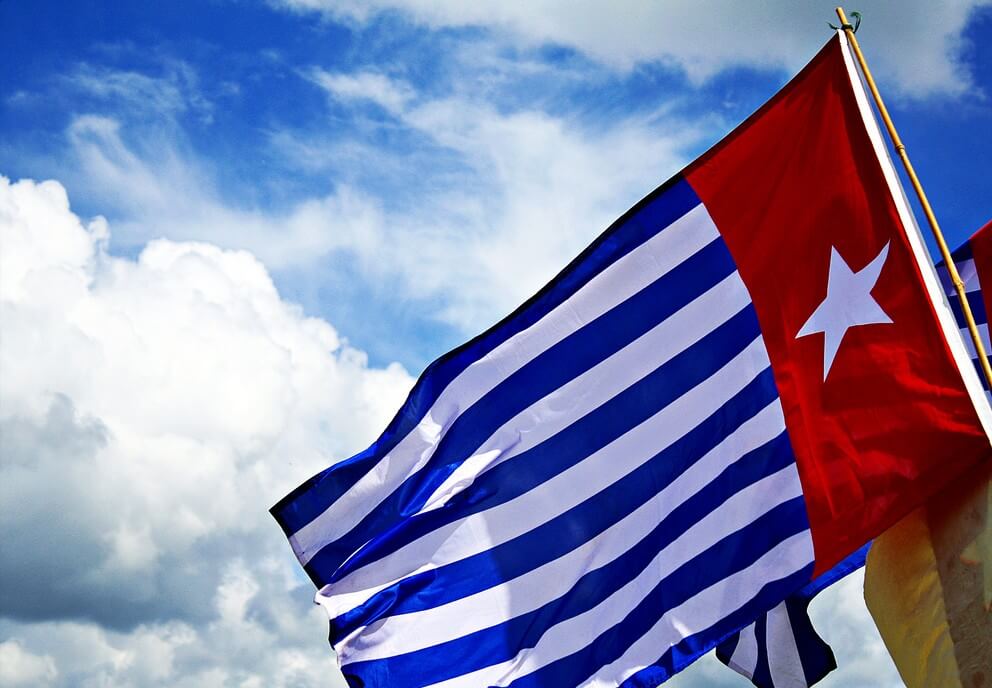
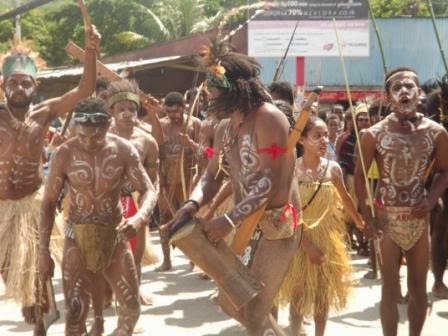
Despite systemic oppression, Papuan nations—particularly in West Papua—continue to inspire global solidarity through cultural resistance and fierce advocacy for self-determination. Elders and youth alike are revitalizing Indigenous languages, reclaiming traditional governance, and using art, music, and digital storytelling to preserve identity and challenge colonial narratives. The Morning Star flag, a banned symbol of West Papuan independence, has become a powerful emblem of hope and resistance. Across New Guinea, the determination to safeguard land, language, and dignity stands as a profound testament to the resilience of Indigenous sovereignty.