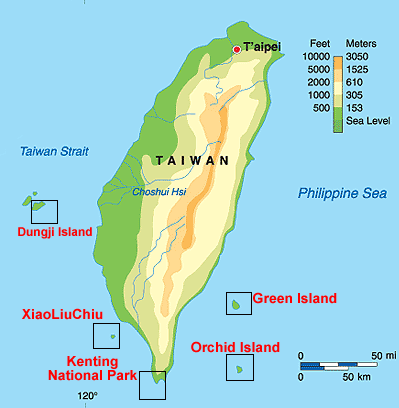
The Puyuma are one of Taiwan’s Indigenous nations, residing primarily in the Taitung region near the island’s southeastern coast. With a matrilineal social system and a unique Austronesian language, the Puyuma are known for intricate rituals, music, and oral histories that trace connections across the Pacific. Their cultural identity is deeply rooted in land stewardship and seasonal ceremonies that uphold ancestral ties to forests, rivers, and sacred sites.
Despite official recognition, the Puyuma face the erosion of their language and traditions due to assimilation policies, economic displacement, and generational divides. The push for urban migration and the expansion of tourism have threatened traditional lands and disrupted community rhythms. Additionally, younger generations often struggle to maintain cultural practices in the face of mainstream education systems and limited access to intergenerational knowledge transmission.
What sets the Puyuma apart is a growing cultural renaissance led by community-based educators, artists, and elders who are reviving language through schools, festivals, and digital platforms. Ritual ceremonies such as the annual “Masaru” continue to gather entire lineages for dance, song, and spiritual renewal, asserting the enduring power of Indigenous identity. This revitalization movement demonstrates how rooted tradition and adaptive innovation can coexist to inspire cultural survival in modern Taiwan.