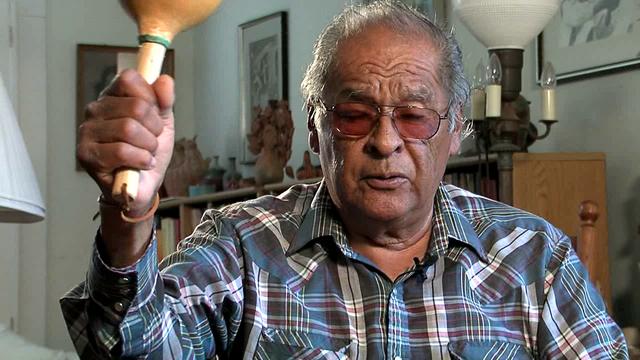
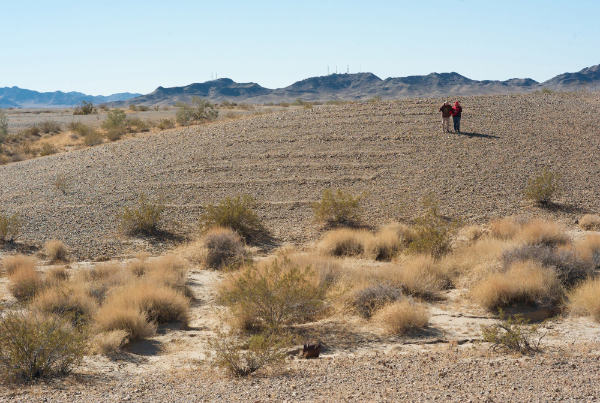
The Quechan Nation, also known as the Yuma, resides near the confluence of the Colorado and Gila Rivers in the arid borderlands of what is now southeastern California and southwestern Arizona. With ancestral ties to the desert and river ecosystems, the Quechan have maintained their cultural identity through centuries of change, retaining deep knowledge of traditional agriculture, spiritual practices, and oral histories. Their homeland has long served as a vital corridor for trade and diplomacy in the Southwest.
The Quechan Nation has faced repeated infringements on its sovereignty and territory, including land loss due to colonization, water diversion projects, and U.S.-Mexico border enforcement. Sacred sites, such as those in the nearby desert, have been threatened by development and military activity. In recent years, the construction of infrastructure projects—especially along the border—has raised alarms over cultural erasure and environmental degradation, compounding historical trauma and disrupting access to ancestral lands.
The Quechan have shown unwavering commitment to cultural and ecological preservation. By opposing the desecration of sacred lands and advocating for stronger protections, they have become regional leaders in environmental justice. Efforts to revitalize the Quechan language and reinvigorate ceremonial traditions among younger generations are strengthening intergenerational ties. Their resistance to environmental exploitation, combined with cultural education programs and legal advocacy, reflects a powerful model of resilience and Indigenous sovereignty.