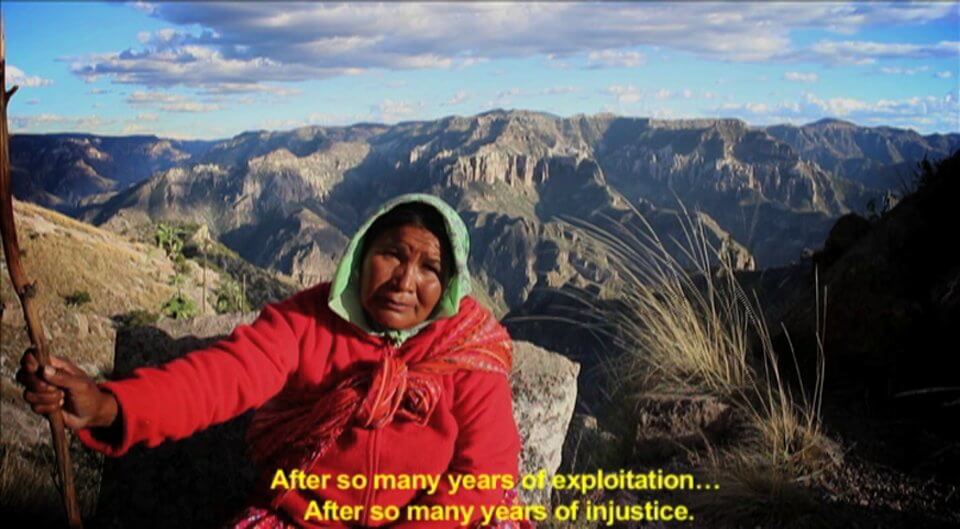
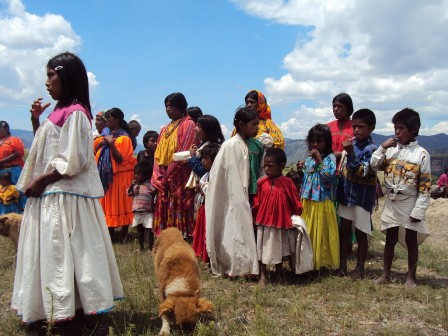
The Rarámuri, also known as the Tarahumara, are an Indigenous community residing in the rugged canyons and highlands of the Sierra Madre Occidental in northern Mexico. Renowned for exceptional long-distance running ability, the Rarámuri have cultivated a deep connection to their mountainous homeland through subsistence farming, spiritual ceremonies, and communal living. Their culture emphasizes harmony with nature, humility, and endurance—values reflected in both daily life and ceremonial tradition.
Rarámuri territories are increasingly threatened by illegal logging, land grabs, and drug-related violence. Organized crime, often colluding with corrupt officials, has encroached on ancestral lands, leading to deforestation and forced displacement. Environmental degradation, lack of access to healthcare and education, and systemic neglect by state institutions have intensified hardship. Defenders of land and cultural rights frequently face intimidation and violence, adding to the sense of vulnerability and urgency.
Despite adversity, the Rarámuri continue to inspire through their strength, spiritual resilience, and environmental leadership. Traditional knowledge is passed down through storytelling, rituals, and footraces that double as communal events and cultural reaffirmation. Efforts to protect sacred landscapes and resist extractive industries are often led by Rarámuri women and youth. Their ability to uphold ancestral ways while advocating for justice and sustainability offers a powerful vision of cultural preservation in motion.