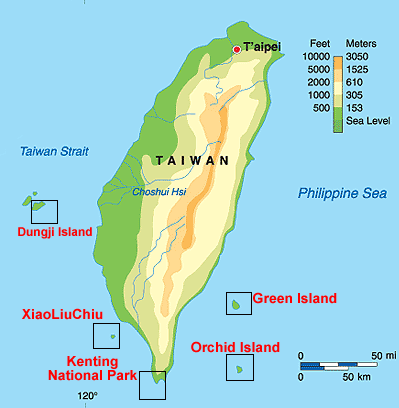
The Rukai are an Indigenous community native to the mountainous regions of southern Taiwan, particularly in Pingtung and Taitung counties. Known for elaborate slate houses, intricate facial tattoo traditions, and hierarchical chieftain systems, the Rukai maintain a distinct cultural identity rooted in oral history, ancestral worship, and deep spiritual ties to their environment. Their legends, especially those surrounding Lily flowers and sacred mountains, play a vital role in cultural transmission.
Rukai communities face multiple challenges due to historical displacement, infrastructure development, and the erosion of traditional knowledge. Dam construction and deforestation have encroached on ancestral lands, disrupting sacred sites and livelihoods based on agriculture and forest resources. Additionally, the Rukai language—once central to daily life—is now endangered, as younger generations grow up under dominant Mandarin-speaking education systems. Legal ambiguities around land ownership and limited access to healthcare and education further intensify their marginalization.
In response to these challenges, the Rukai are actively engaged in cultural revitalization efforts. Community-led schools and heritage projects are teaching the Rukai language, documenting oral histories, and preserving ceremonial practices. Traditional crafts and architecture are being restored as expressions of identity and resistance. Through ecological stewardship, cultural education, and increasing political advocacy, the Rukai exemplify how Indigenous knowledge systems can guide both cultural survival and sustainable living in modern Taiwan.