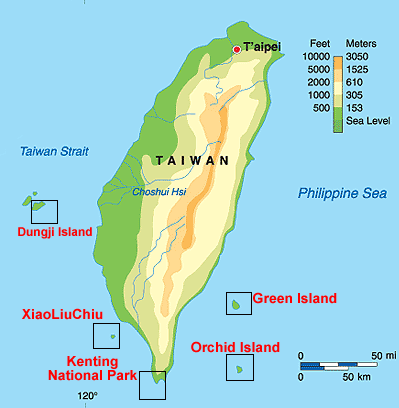
The Saisiyat are an Indigenous community residing in the mountainous borderlands of Hsinchu and Miaoli in northern Taiwan. Known for their unique spiritual customs and oral traditions, they are particularly distinguished by the sacred Pasta’ay ceremony—held biennially to honor ancestral spirits and maintain cosmic harmony. Their language, part of the Austroasiatic family, and ritual songs are vital elements of their cultural expression, reflecting a profound cosmological worldview passed down through generations.
The Saisiyat face several pressing challenges, including the rapid erosion of their language and traditions due to assimilation policies and the dominance of Mandarin in education and media. Younger generations often grow up detached from ancestral knowledge, placing unique ceremonies and oral histories at risk of vanishing. Additionally, land rights issues persist, as many ancestral territories remain unrecognized or are threatened by development and tourism expansion, complicating efforts to sustain traditional lifestyles.
Despite these obstacles, the Saisiyat continue to inspire through their commitment to cultural revitalization. The Pasta’ay ceremony has not only survived but gained broader attention as a symbol of resilience, uniting elders and youth in spiritual performance and communal memory. Local initiatives are also underway to teach the Saisiyat language, document myths, and promote cultural tourism on Indigenous terms. These efforts demonstrate how sacred ritual and education can serve as powerful tools for reclaiming identity and protecting heritage.