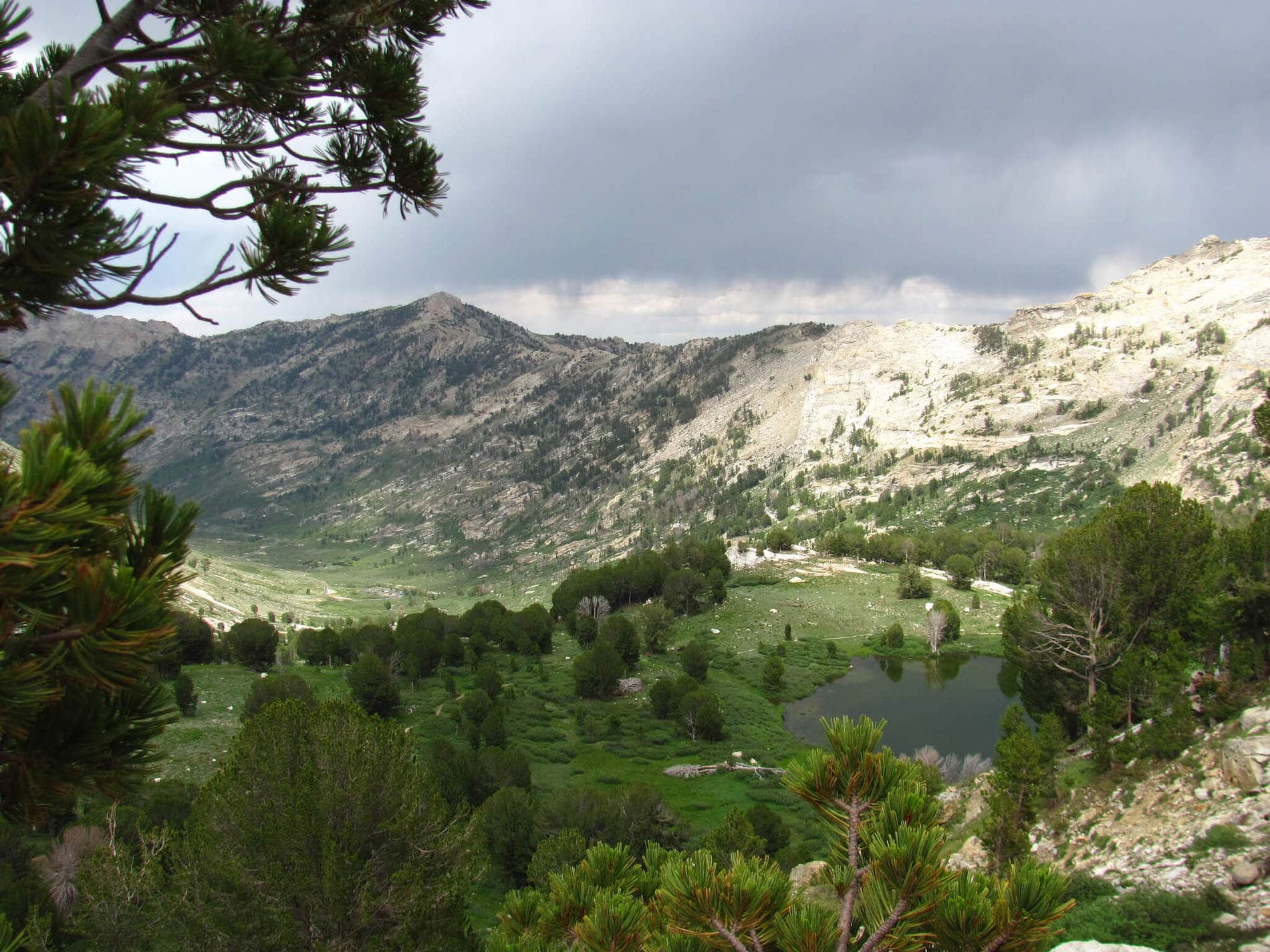
The Shoshone are an Indigenous nation rooted in the vast landscapes of the Great Basin, stretching across present-day Nevada, Utah, Idaho, and Wyoming. Traditionally semi-nomadic, they maintained a deep spiritual and ecological relationship with their environment, relying on seasonal harvests, hunting, and communal knowledge-sharing. Their language, part of the Uto-Aztecan family, and oral histories reflect generations of wisdom, survival, and adaptation in some of North America’s most rugged terrain.
Modern challenges confronting the Shoshone include long-standing issues of land rights violations, resource exploitation, and broken treaties. Key sacred lands such as the Nevada Test Site—used for U.S. nuclear testing—were designated without consent, severely disrupting traditional lifeways and causing environmental and health consequences. Additionally, large-scale mining and energy projects threaten sacred sites, water sources, and ecological balance, intensifying the struggle to protect ancestral territory and cultural autonomy.
Despite centuries of colonization, the Shoshone have become powerful symbols of Indigenous resistance. Their legal activism, including landmark cases for land and religious rights, has amplified global awareness of Indigenous sovereignty. Communities have also invested in language revitalization, cultural education, and youth engagement, ensuring that the legacy of the Shoshone endures. This resilience and refusal to be erased continue to inspire movements for justice and Indigenous resurgence across the continent.