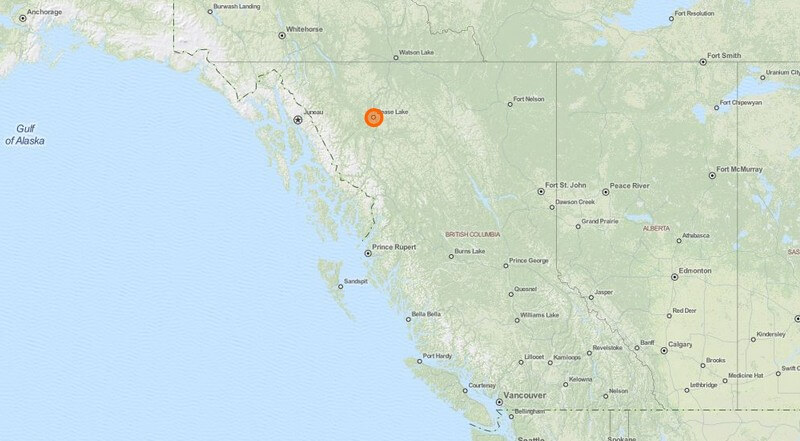
The Tahltan are Indigenous to northwestern British Columbia, with ancestral ties to the Stikine River watershed and surrounding highlands. Their territory encompasses rich ecosystems and is abundant in wildlife, salmon-bearing rivers, and mineral resources. The Tahltan maintain a deep cultural and spiritual connection to the land, passing down stories, language, and ceremonial practices that reflect centuries of environmental stewardship. Their identity is intricately tied to the rhythms of the land and its cycles, reinforcing their role as protectors of one of Canada’s most ecologically and spiritually significant regions.
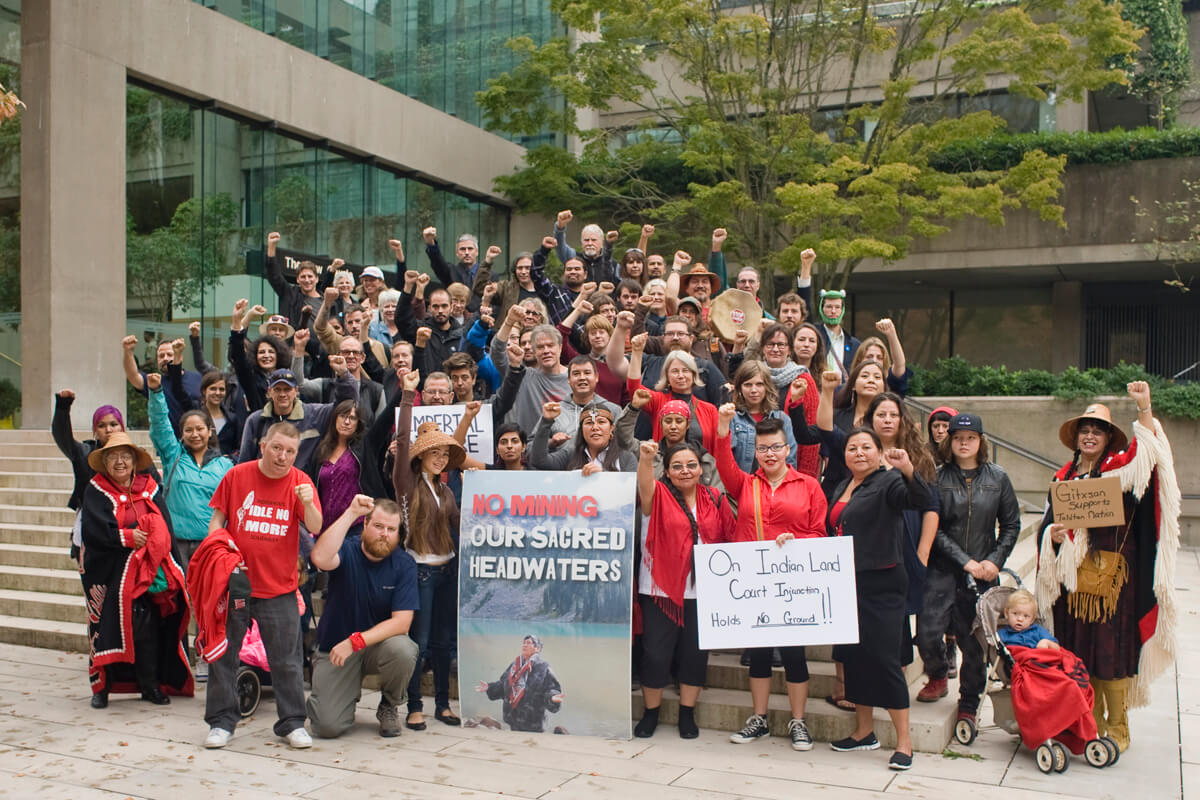
The Tahltan face the challenge of navigating complex relationships with governments and industries seeking to develop mining and infrastructure projects on their territory. Despite legal victories and evolving policies on consultation, conflicts continue around consent, environmental degradation, and the pace of resource extraction. Industrial activity—particularly related to gold, copper, and coal—has at times threatened wildlife migration patterns, water sources, and sacred sites. These pressures test the balance between economic opportunity and cultural survival, especially as global demand for minerals grows.
The Tahltan have emerged as trailblazers in asserting Indigenous jurisdiction over land management through initiatives like the Indigenous Guardian programs and tribal governance structures. They have successfully halted or reshaped several major industrial proposals to ensure ecological sustainability and cultural integrity. By blending traditional ecological knowledge with modern science and diplomacy, the Tahltan demonstrate a powerful model of Indigenous leadership in environmental justice, inspiring other Nations to assert sovereignty while protecting their heritage and homelands.