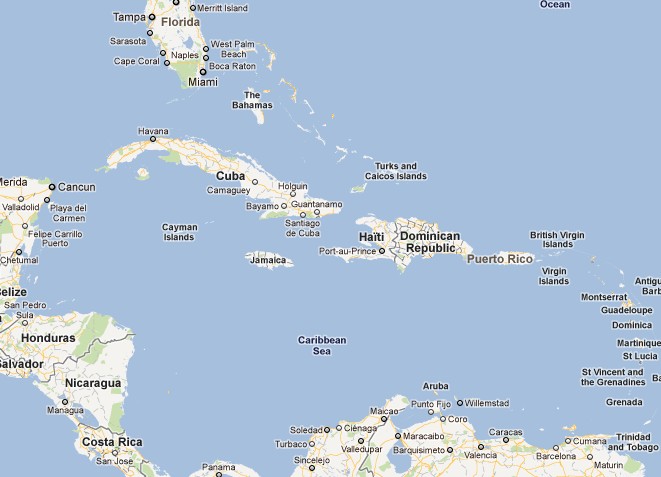
The Taino are Indigenous to the Caribbean, with ancestral ties to islands including Puerto Rico, Hispaniola, Cuba, Jamaica, and the Bahamas. Before European colonization, Taino civilizations flourished with complex agricultural systems, sophisticated social structures, and a rich spiritual worldview centered on harmony with nature. Although early colonial narratives claimed extinction, many Caribbean communities maintain Taino ancestry and cultural continuity, reclaiming their language, symbols, and traditions in the face of centuries of erasure.
The Taino have long faced systemic erasure from official histories, with colonial and postcolonial institutions denying their survival. This has contributed to challenges in obtaining legal recognition, land rights, and cultural preservation support. Misconceptions about disappearance have hindered efforts to assert Indigenous identity and rights across the Caribbean and diaspora. Despite growing awareness, Taino descendants continue to struggle for inclusion in educational curricula, public discourse, and national policy frameworks.
One of the most inspiring aspects of the Taino story is their powerful cultural resurgence. Through music, visual art, oral histories, and the revitalization of the Arawakan language, Taino communities are reclaiming their heritage and reasserting their presence across the Caribbean and in diasporic spaces. This cultural revival is not only about remembrance but empowerment—anchoring Indigenous pride in a shared future where visibility, sovereignty, and ancestral wisdom shape identity and resilience.