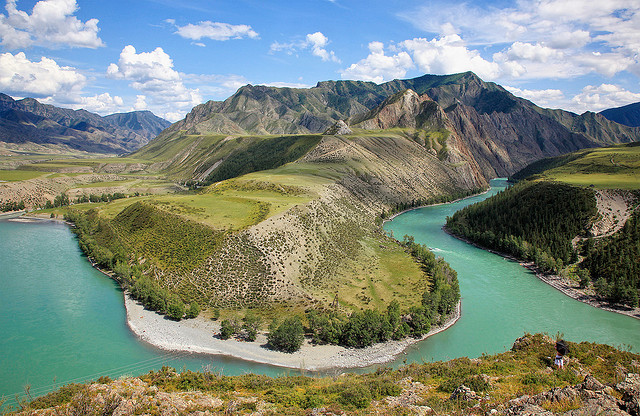
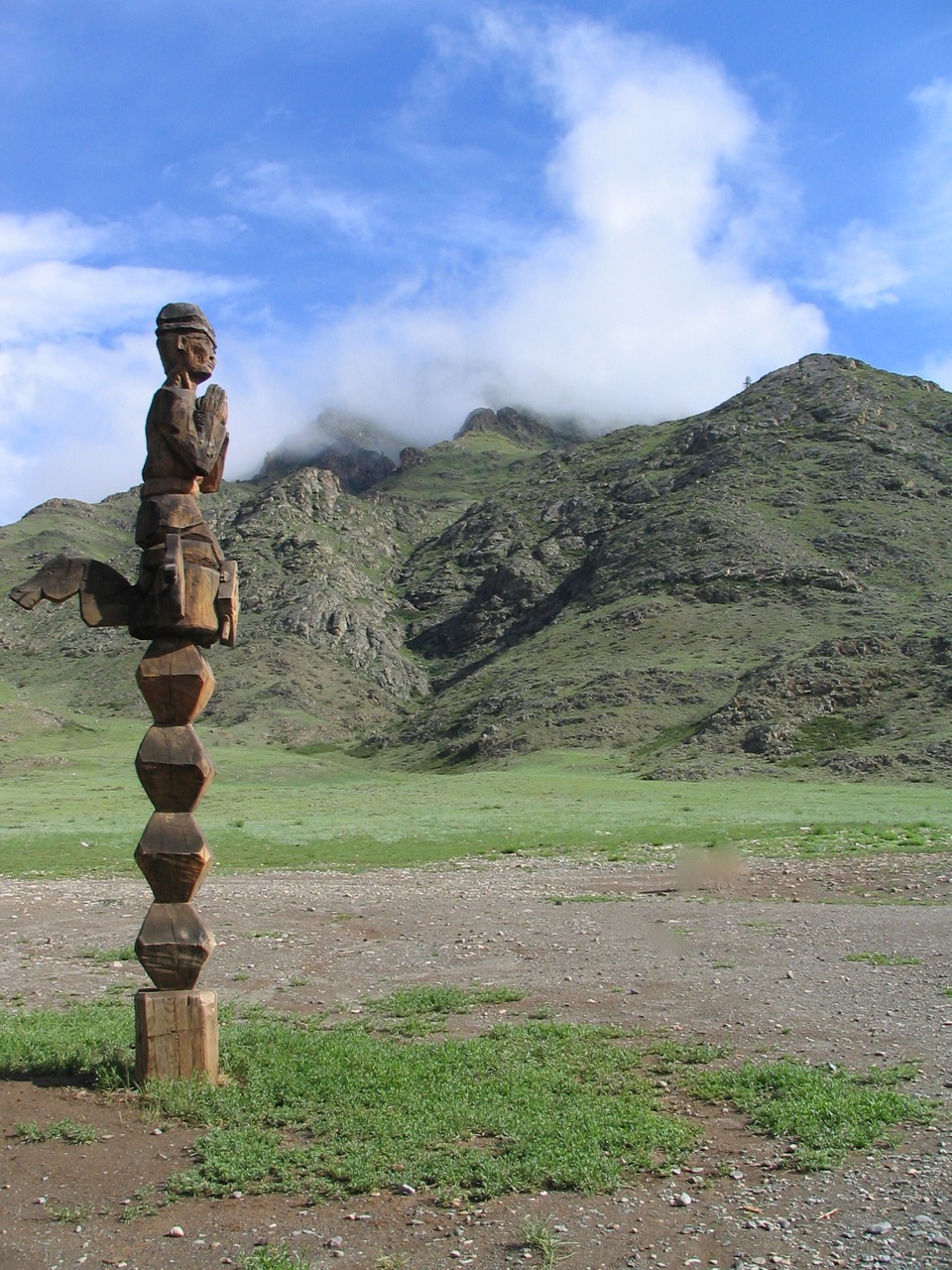
The Telengit inhabit the rugged and sacred landscapes of the Altai Republic in southern Siberia. Known for their deep spiritual connection to nature, they practice a form of animism that reveres mountains, rivers, and animals as living beings. Traditionally nomadic pastoralists, Telengit communities rely on herding cattle, horses, and sheep, adapting their lives to the rhythms of the high-altitude environment. Their oral epics, shamanic practices, and traditional knowledge systems are core to their cultural identity.
Modern pressures, such as mining development, dam construction, and expanding infrastructure, have significantly disrupted Telengit lands and lifeways. The encroachment of extractive industries threatens the fragile Altai ecosystems and sacred sites, sparking protests and legal battles. Meanwhile, Russian assimilation policies have weakened the use of the Telengit language and eroded traditional practices. Educational and economic systems often fail to reflect their cultural values, leaving younger generations at a crossroads between heritage and modernity.
Despite these challenges, the Telengit are taking bold steps to reclaim their sovereignty and preserve their heritage. Grassroots movements are asserting land rights through international forums and environmental advocacy, defending their ancestral territories from ecological exploitation. Cultural revitalization efforts, including language education and the transmission of oral traditions, are strengthening intergenerational bonds. Their commitment to protecting the Altai Mountains—recognized as a World Heritage site—offers powerful inspiration for ecological stewardship and cultural resilience.