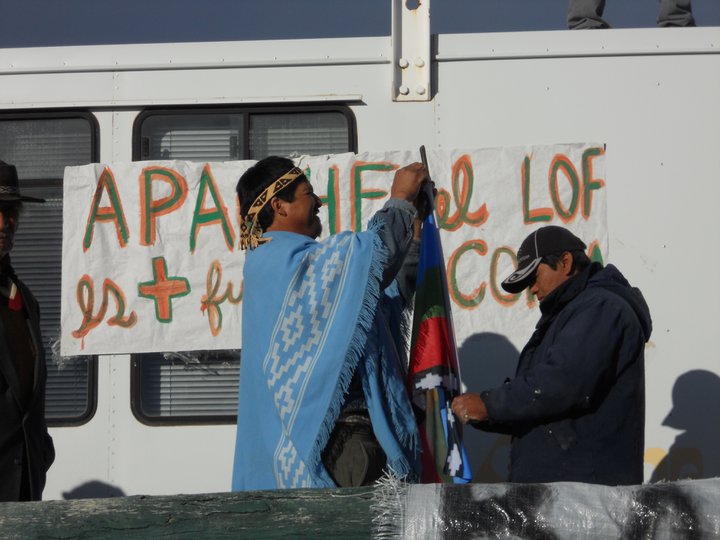
The Toba-Qom Nation, also known as Qom, is an Indigenous nation native to the Gran Chaco region, which spans parts of Argentina, Paraguay, and Bolivia. Known for their deep environmental knowledge and adaptability, the Toba-Qom have traditionally lived in forested lowlands, practicing hunting, fishing, and gathering in close harmony with the land. Their language, Qomlaqtaq, and their spiritual worldview remain central to their cultural identity, emphasizing respect for nature, ancestors, and collective decision-making rooted in communal values.
The Toba-Qom continue to face systemic challenges related to land dispossession, marginalization, and state neglect. Forced urban migration, often due to deforestation and agricultural expansion, has led to poverty and overcrowded settlements in cities where access to basic services is limited. Discrimination in healthcare, education, and labor markets compounds these difficulties, while extractive industries have damaged ancestral territories without consent. Despite legal frameworks recognizing Indigenous rights, implementation remains weak, making self-determination an ongoing struggle.
What inspires many about the Toba-Qom is their unwavering commitment to cultural survival and justice. Across Argentina and beyond, Toba-Qom leaders, artists, and youth have emerged as vocal advocates for land rights, environmental protection, and cultural preservation. Community radio stations, language revitalization projects, and public art are just some of the ways the nation asserts visibility and pride. Their resilience in the face of adversity—transforming struggle into activism and creativity—offers a powerful testament to Indigenous resurgence across Latin America.