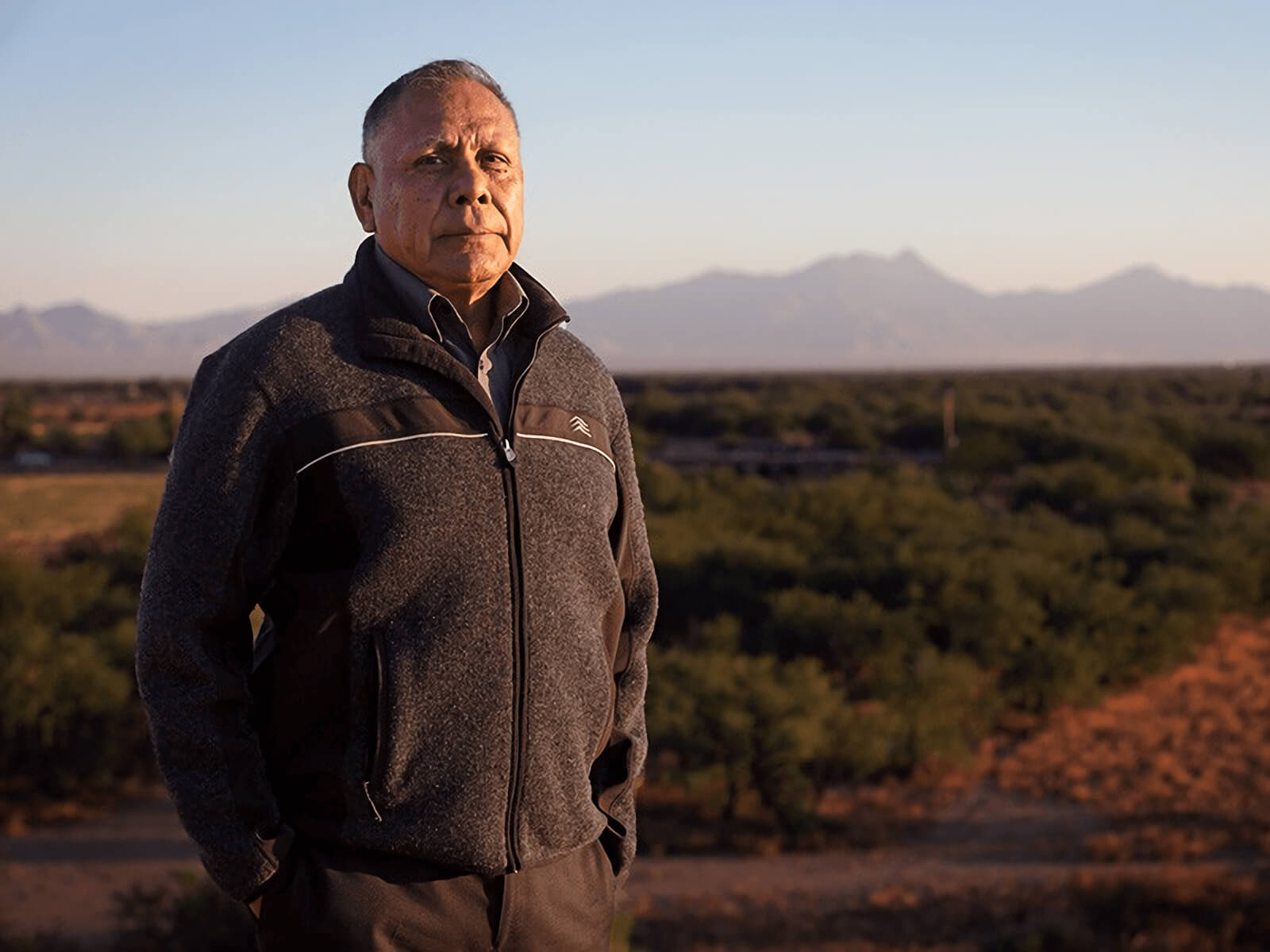
The Tohono O’odham Nation is an Indigenous nation whose ancestral lands span the Sonoran Desert, stretching across southern Arizona and northern Mexico. Known as the “Desert People,” the Tohono O’odham have cultivated a deep relationship with one of the harshest climates in North America, relying on traditional farming, seasonal migration, and water-harvesting techniques for survival. Their cultural life is woven into the rhythms of the desert, with sacred ceremonies, language, and governance structures that reflect profound ecological knowledge and spiritual connection to the land.
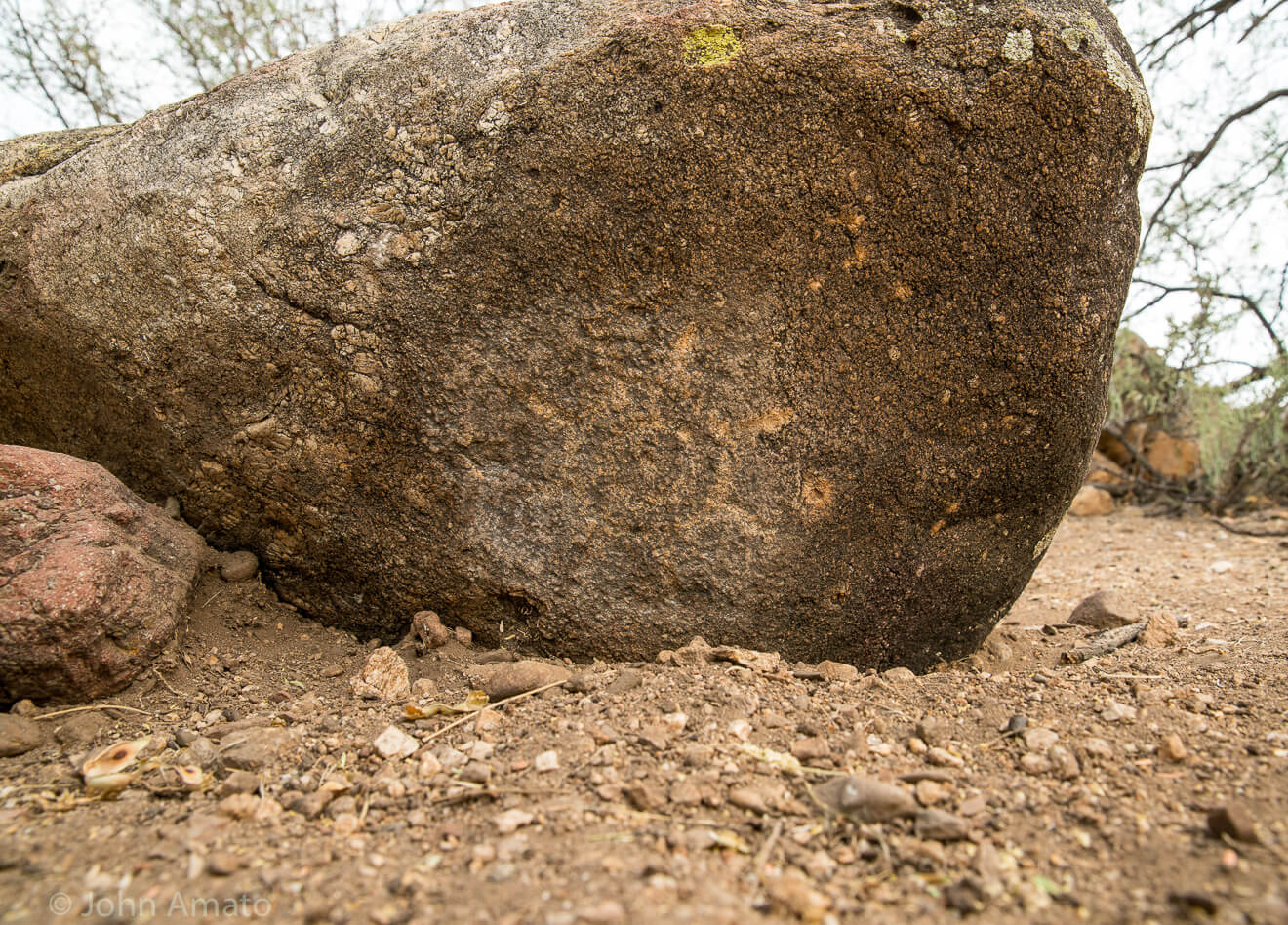
One of the most pressing challenges facing the Tohono O’odham Nation is the U.S.-Mexico border, which physically divides families and ancestral territories. The construction of border infrastructure has disrupted sacred sites and restricted traditional movement, creating tensions between federal enforcement and Indigenous rights. Additionally, the nation faces limited access to healthcare, infrastructure, and economic development opportunities. High rates of diabetes and other chronic illnesses, combined with underfunded services, highlight the ongoing impacts of systemic inequality and environmental injustice.
Despite these hardships, the Tohono O’odham Nation continues to inspire through a powerful resurgence of tradition and activism. Revitalization of Himdag—traditional lifeways—includes the return of drought-resistant crops like the 60-day corn and tepary beans, along with efforts to teach O’odham language and oral histories in schools and communities. Resistance to border militarization and environmental degradation has positioned the nation as a leading voice in Indigenous sovereignty and ecological justice. Their endurance and innovation exemplify the strength of cultural continuity rooted in ancestral wisdom and love for the land.